12-Year-Old Boy Injured After Leopard Leaps Into Safari Jeep
© Viral Press
On August 15, a routine wildlife safari at Bannerghatta Biological Park in Bangalore turned terrifying for a 12-year-old boy named Suhas.
As the vehicle drove through the leopard zone, the animal suddenly sprang from the roadside, leaped into the open window jeep, and inflicted deep gash wounds on Suhas’s hand before fading into the underbrush.
Caught on Camera
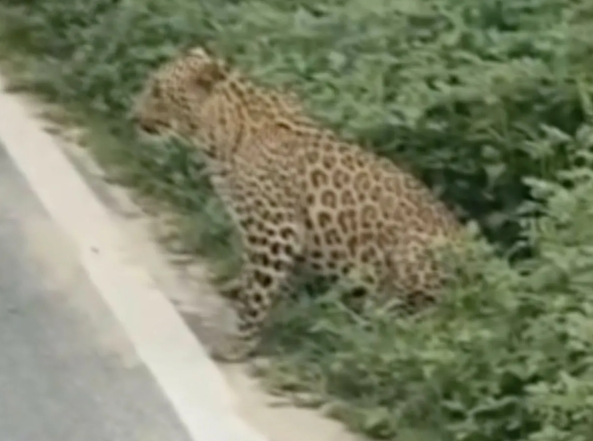
Video footage shared widely by the Associated Press shows the leopard perched at the edge of the safari path, then charging forward and clawing at the side of the vehicle.
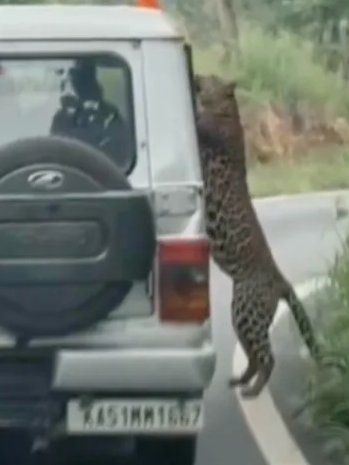
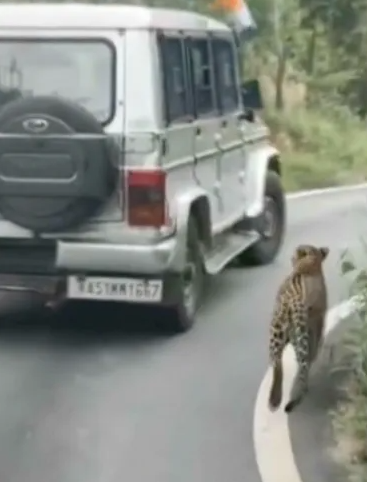
Moments later, the driver accelerated away from immediate danger while the leopard chased briefly before retreating.
Immediate Rescue and Treatment
Suhas was provided with on-site first aid before being rushed to the hospital. He has since been treated and discharged, according to authorities.
Bannerghatta Park’s executive director confirmed the incident and noted that it occurred during a non-AC jeep safari—highlighting that open or unreinforced windows present significant risks.
Safety Measures Under Review
Tragically, this isn’t the first such occurrence—similar incidents have occurred at the park in recent years. In response, Karnataka’s Forest Minister has demanded urgent action to prevent future attacks.
Measures, including installing mesh on window openings and photo slots, and clearer safety warnings printed on safari tickets, have been mandated.
Park officials also say that all safari vehicles now include reinforced mesh and drivers receive explicit protocols to avoid leaving body parts, especially hands, vulnerable at openings.
Human-Wildlife Conflict & Learning Forward
Such close encounters underscore a broader challenge: balancing wildlife tourism with visitor safety. Leopards naturally navigate the periphery of human spaces, and smaller zones like safari paths can blur boundaries. Experts argue for a combination of harder infrastructure, better visitor education, and more frequent safety drills to avoid future incidents.
Reflecting growing international concern, conservationists and park managers aim to ensure encounters can be thrilling—but never deadly.
You might also want to read: Parrot Snitches on Prison-Run Drug Gang—Literally Squawks Their Scheme