Right-to-Die Activist Ends Life by Starving to Prevent Children From Seeing Her Gasp for Air
How does right-to-die advocacy help families navigate the emotional pain of terminal illness?
Imagine a parent facing a future where they can no longer hug their children or ease their tears.
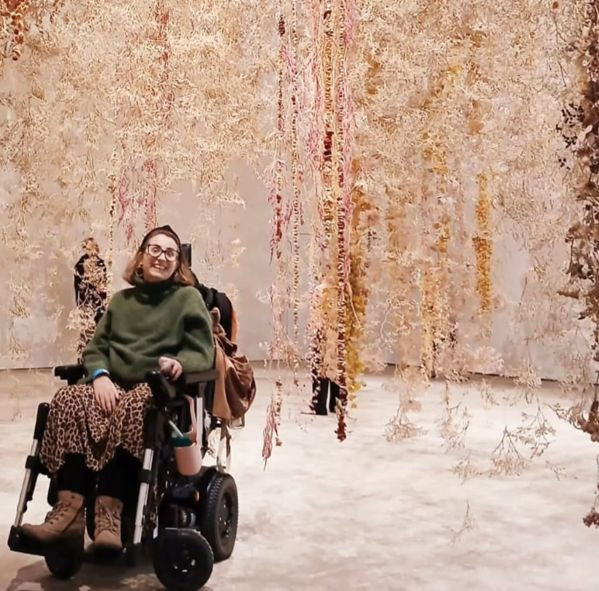
This was the reality for Emma Bray, a 42-year-old mother from Barnstaple, England, who made a heart-wrenching decision to protect her children from the pain of her terminal illness.
Diagnosed with motor neuron disease (MND) in 2023, Emma chose to end her life by voluntarily stopping eating and drinking (VSED).
Her story sheds light on the emotional and ethical challenges of terminal illness and the fight for the right to die with dignity.
The Struggle with Motor Neuron Disease
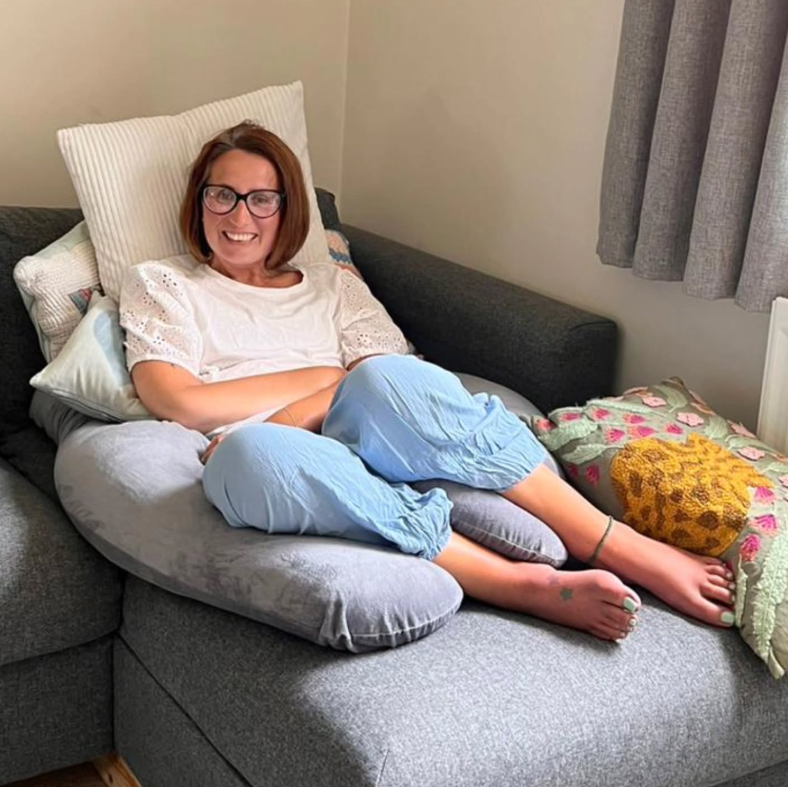
Motor neuron disease is a cruel condition that slowly destroys the nerve cells controlling movement, speech, and breathing. Emma’s health declined rapidly after her diagnosis. She lost the ability to use her limbs, struggled to speak, and found eating and breathing increasingly difficult.
“I can’t scratch an itch or move a sheet if I’m too hot,” she shared through an eye-gazing device, describing how she felt trapped in her own body.
Despite the love surrounding her, Emma saw the grief in her family’s eyes as she lost the ability to be the mother she wanted to be for her two teenagers, aged 14 and 15.
Emma’s choice was driven by her desire to shield her children from witnessing a “brutal” death. MND can lead to sudden choking or breathing failure, which she feared would traumatize her son and daughter.
Instead, she wanted her final moments to be filled with love, music, and laughter in a hospice setting. Her decision to use VSED was her way of maintaining control over her passing. The legal but grueling process of VSED can take 10 to 14 days to lead to death.
Right-to-Die Advocacy: Fighting for a Change in the Law
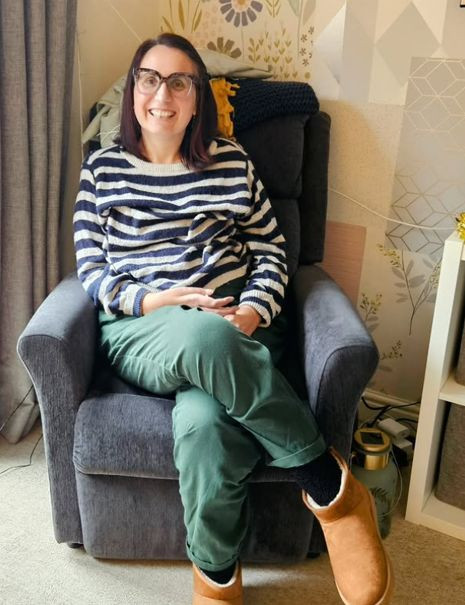
Emma was a passionate supporter of the Assisted Dying Bill in the UK. The bill would allow terminally ill adults with less than six months to live to choose medical aid in dying.
She believed this law could have spared her family two years of anticipatory grief and given her a more peaceful option. “This bill won’t end my life—MND is doing that—but it could help others die with peace,” she urged lawmakers.
Her advocacy was part of her work with Dignity in Dying, a campaign pushing for legal changes to give people more choices at the end of life.
In her final months, Emma traveled to London to support the bill, despite the physical toll it took. She also shared her journey on her Instagram account, @stupid_mnd, to raise awareness about MND and the challenges of terminal illness.
Her courage inspired many, including healthcare professionals who said her story shaped their approach to patient care.
A Final Message of Love
On July 14, 2025, Emma posted a final message from her hospice bed, looking out at a peaceful view of trees. “If you’re reading this, I’ve finished my final spin round the sun,” she wrote.
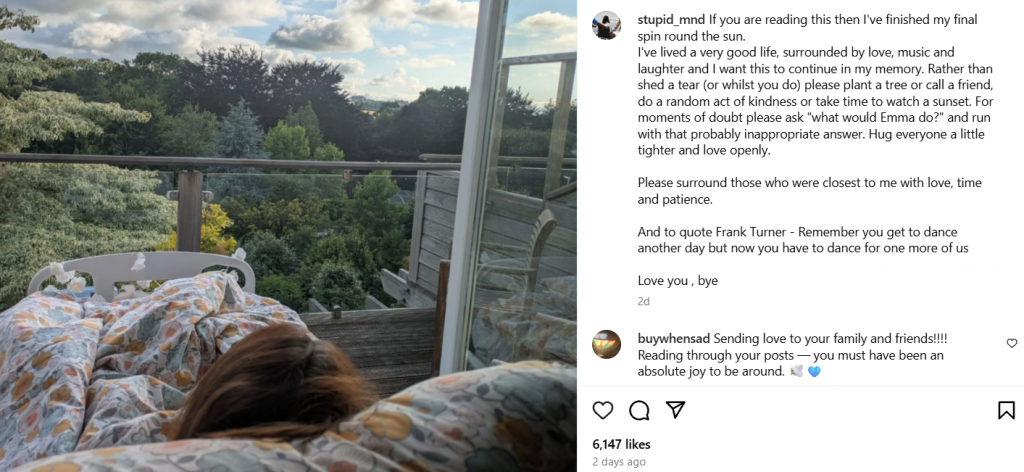
She encouraged others to honor her memory with acts of kindness, like planting a tree or calling a friend. Emma’s wish was for her children and loved ones to find healing after her passing, surrounded by the love and laughter she cherished.
Her story raises important questions about the right to choose how we die. While Emma’s decision was legal, it was not easy.
VSED is a slow and challenging process, and her advocacy highlighted the need for more humane options. As the debate over assisted dying continues, Emma’s legacy reminds us of the love and strength behind such choices.
You might also want to read: The Terminal Man Dies After Spending 18 Years in the Airport