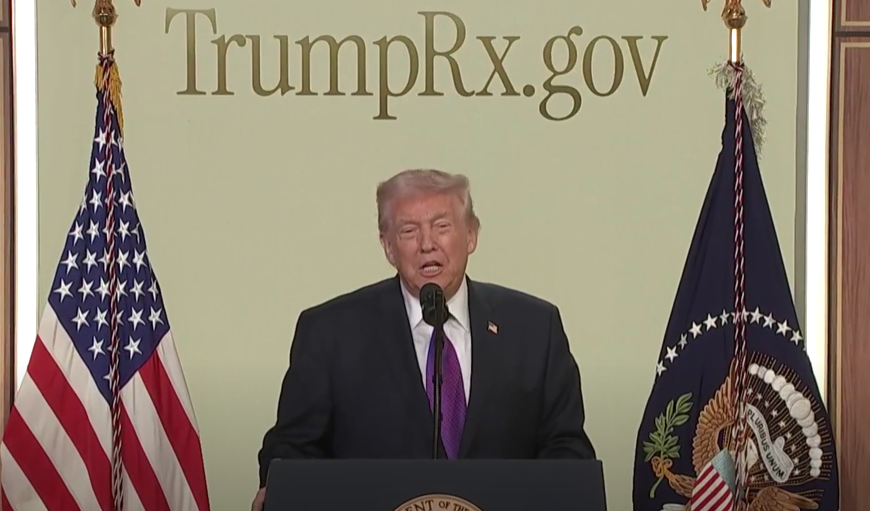
Donald Trump Diagnosed With Chronic Venous Insufficiency: White House Shares Surprising Details

© Inside Edition / YouTube
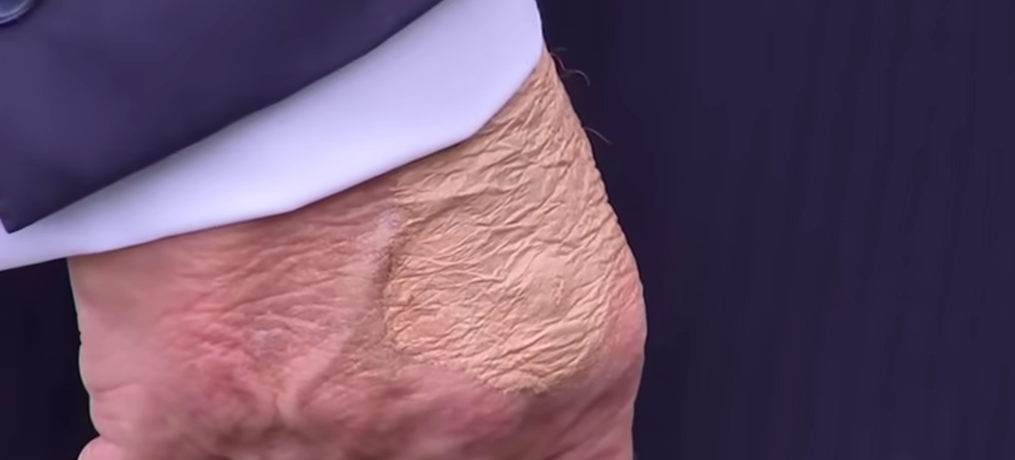
Recent photos of President Donald Trump showing swollen ankles and bruising on his hand have sparked curiosity and concern among the public.
The White House quickly addressed these observations, revealing that the president has been diagnosed with a condition that affects many older adults.
What exactly is this condition, and what does it mean for his health? Let’s dive into the details of this medical update.
What Is Chronic Venous Insufficiency?
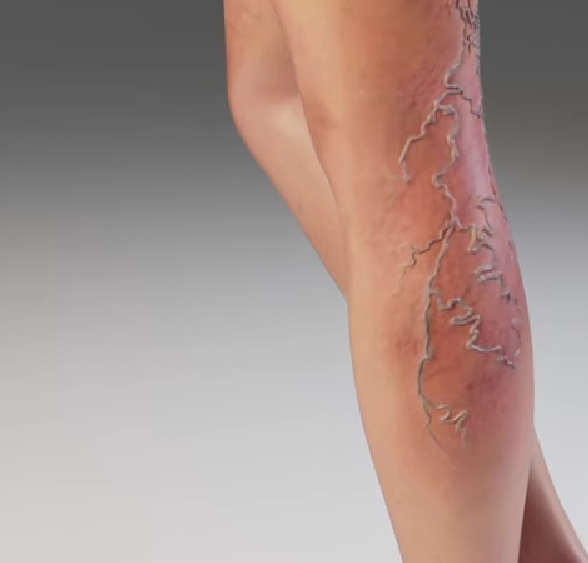
Chronic venous insufficiency, or CVI, is a condition where the veins in the legs struggle to send blood back to the heart. Normally, veins have small valves that help blood flow upward against gravity.
When these valves weaken or get damaged, blood can pool in the legs, causing swelling, discomfort, or even varicose veins.
According to medical experts, this condition is common, especially in people over 70, and affects about 1 in 20 adults.
President Trump, who is 79, noticed mild swelling in his legs, which led to his diagnosis after a thorough medical exam, including ultrasounds.
CVI is not usually life-threatening, but it can cause symptoms like achy or heavy legs, skin changes, or, in rare cases, ulcers if left untreated.
Risk factors include aging, being overweight, or standing for long periods, which can put extra pressure on the veins. The White House confirmed that Trump’s condition is mild and that he is not experiencing discomfort.
How Is It Treated?
Managing chronic venous insufficiency often starts with simple lifestyle changes. Doctors may recommend wearing compression stockings to help blood flow better, elevating the legs when resting, or walking regularly to strengthen leg muscles.
These muscles act like a pump to push blood back to the heart. In some cases, medications like blood thinners, such as the aspirin Trump already takes for heart health, can help prevent complications like blood clots.

For more severe cases, treatments like sclerotherapy (injecting a solution to close off problem veins) or laser therapy might be used to redirect blood flow to healthier veins.
Surgery is rare but can be an option for serious cases. The White House has not shared specific details about Trump’s treatment plan, but experts say mild cases like his can often be managed with minimal intervention.
Why This Matters
The announcement of Trump’s diagnosis came after public speculation about his health, fueled by photos from events like the FIFA Club World Cup in New Jersey on July 13, 2025.
Some images showed bruising on his hand, which the White House explained as a side effect of frequent handshaking combined with aspirin use. This openness about his health is notable, as Trump has often emphasized his vigor and avoided detailed medical disclosures in the past.
While chronic venous insufficiency is common and manageable, it highlights the natural effects of aging, even for high-profile figures like the president. At 79, Trump is the oldest person to assume the presidency, and this diagnosis serves as a reminder that health conditions can affect anyone.
The White House assures the public that Trump remains in excellent health overall, with no signs of more serious issues like deep vein thrombosis or heart problems, as confirmed by tests like an echocardiogram.
This health update also draws attention to the importance of regular medical checkups. For Trump, noticing mild symptoms led to a diagnosis that can be managed early, preventing potential complications.
For the public, it’s a chance to learn about a condition that affects millions and understand how simple steps can make a big difference in managing it.
You might also want to read: Is Donald Trump Hiding Something? Viral Videos and Bruised Hands Ignite Health Rumors