That Soft Drink Might Cost You More Than You Think—Up to 12 Minutes of Life per Serving!
© Freepik
These convenient snacks might seem harmless, but what if each bite or sip is quietly shaving time off your life?
Recent research has uncovered a startling link between ultra-processed foods, like soft drinks, and a shorter lifespan.
Let’s explore what science says about these foods and how they could impact your health in ways you might not expect.
What Are Ultra-Processed Foods?
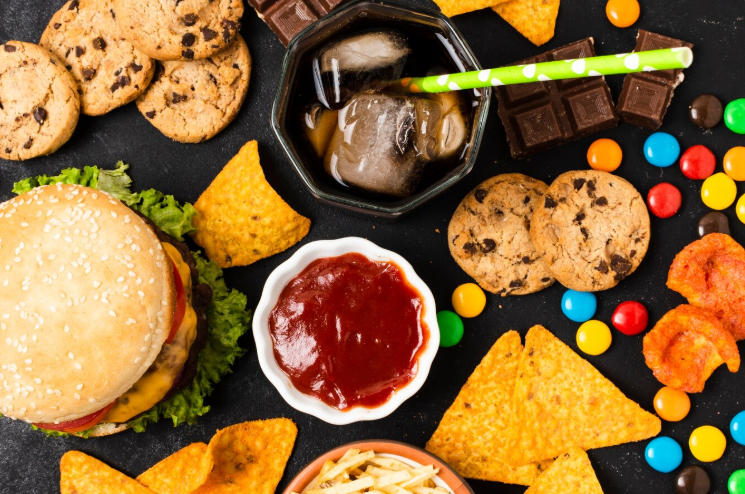
Ultra-processed foods are items like sodas, packaged snacks, processed meats, and sugary cereals. They often contain artificial ingredients, such as sweeteners, preservatives, and flavorings, that make them tasty and long-lasting but low in nutrients like fiber and vitamins.
According to the NOVA classification system, these foods undergo heavy industrial processing, making them different from minimally processed foods like fresh fruits or vegetables.
Studies show that ultra-processed foods make up over 50% of daily calories for many people in countries like the U.S. and England, raising concerns about their widespread use.
The Link Between Ultra-Processed Foods and Lifespan
Research has revealed a troubling connection between ultra-processed foods and a higher risk of early death. A 2024 study in The BMJ followed over 100,000 U.S. adults for more than 30 years. It found that people who ate the most ultra-processed foods—about seven servings a day—had a 4% higher risk of death from any cause compared to those who ate the least, around three servings daily.
Soft drinks, both sugary and diet versions, were among the worst culprits, with some studies suggesting that each serving could reduce life expectancy by up to 12 minutes. Processed meats, like hot dogs and sausages, and sugary breakfast foods also showed strong links to higher mortality, especially from heart disease and neurodegenerative conditions like Alzheimer’s.
Another study, presented at Nutrition 2024, tracked over 500,000 people and found that those who consumed the most ultra-processed foods were 10% more likely to die early, particularly from heart disease and diabetes.
In England, about 14% of premature deaths are linked to these foods, with each 10% increase in ultra-processed food intake raising mortality risk by 3%. These findings highlight that it’s not just about eating too much sugar or fat—something about the processing itself may harm health.
How to Protect Your Health

The good news is that you can make small changes to reduce the impact of ultra-processed foods. Experts suggest focusing on a balanced diet with more whole foods, like fruits, vegetables, and whole grains. Reading food labels can help you spot items high in sugar, salt, or additives.
For example, choosing whole-grain bread over sugary cereals or water over soda can make a difference. While not all ultra-processed foods are equally harmful—some, like whole-grain breads, can be nutritious—cutting back on processed meats and sugary drinks is a smart start. Researchers also emphasize that overall diet quality matters, so pairing ultra-processed foods with healthier choices can help balance things out.
The science is clear: eating too many ultra-processed foods, especially soft drinks and processed meats, can shorten your lifespan. By making informed choices, you can enjoy your favorite foods while protecting your health for years to come.
You might also want to read: The Link Between Ultra-Processed Foods and Depression Discovered