Russian Officials Warn Israel Conflict Could Spark World War III
© CC BY 3.0
Senior figures in the Russian government have issued blunt warnings that expanding conflict between Israel and Iran could lead to a global war.
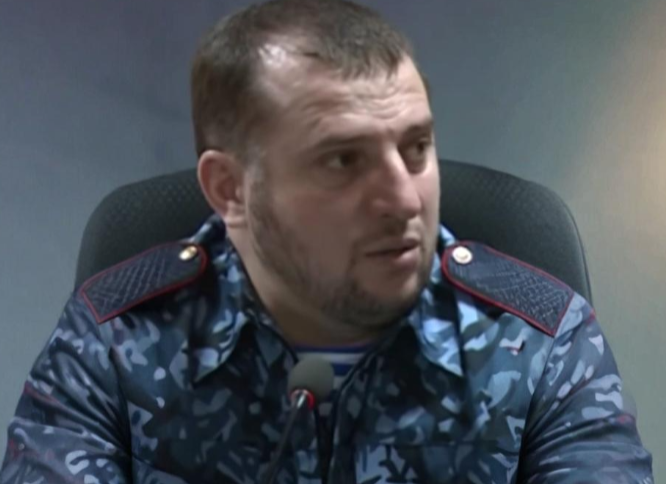
Former president Dmitry Medvedev, now deputy chairman of Russia’s Security Council, claimed that support for Ukraine and military pressure from the West are already destabilizing forces, framing them as part of a covert global campaign against Russia. His recent remarks went further, stating that World War III has effectively already begun given Western actions.
Putin Voices Concern at Economic Forum
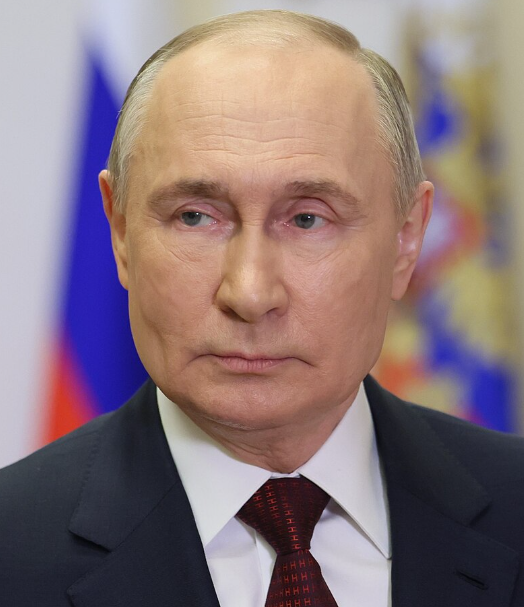
President Vladimir Putin sounded the alarm during a major forum in St. Petersburg. He highlighted multiple flashpoints—including ongoing war in Ukraine and escalating Israel–Iran tensions—and described the global landscape as “disturbing.” Putin delivered his warning without irony, pointing to these conflicts combined as potential triggers for broader war, urging greater attention and diplomacy from all parties involved.
Implicit Threats and Nuclear Doctrine
Medvedev’s fiery statements also included suggestions that Russia must be ready to strike Western targets preemptively if escalations continue. Russian officials argue Western support for Ukraine and missile deployments near Russian borders amount to acts of war. While President Putin continues to deny any intent to attack NATO directly, Kremlin officials have reaffirmed their nuclear doctrine, indicating that a severe conventional escalation could prompt a nuclear response.
NATO’s Enhanced Defense Readiness
Meanwhile, NATO leaders are boosting deterrence across Europe. Amid growing fears of a Russian attack setting off global conflict, NATO officials emphasize readiness to defend any member state. One high-ranking U.S. general flagged Russia’s military threats as reckless, warning that NATO’s collective capability now allows for a rapid response if Moscow takes aggressive moves, particularly in Eastern Europe.
The Middle East as a Flashpoint
Russia’s official stance positions it as a potential mediator in the Israel–Iran escalation, though analysts warn Moscow’s deeper goal is maintaining its influence. The Kremlin views any collapse of Iran’s regime as a critical blow to its regional strategy. Russian foreign ministry officials caution that further Israeli strikes on Iranian infrastructure could spiral into unpredictable global consequences.
Balancing Diplomacy and Strategy
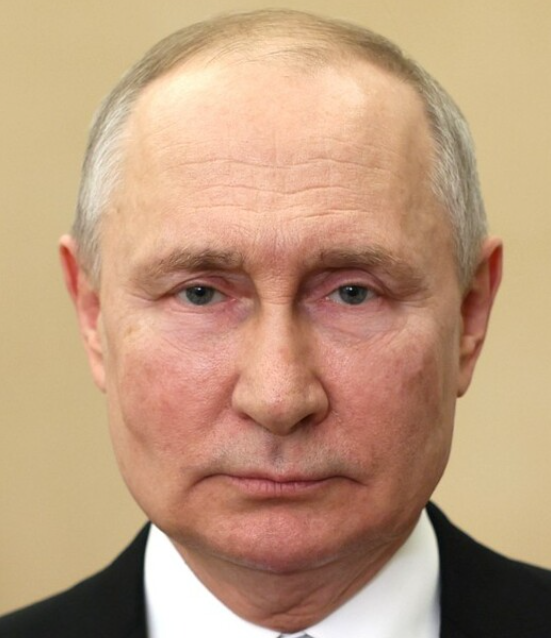
At the heart of Russia’s messaging is a delicate act: warning of war while offering diplomacy to avoid it. Kremlin officials met with leaders from Israel, Iran, and the United States to promote proposed solutions. Still, experts note that Moscow’s diplomacy is intertwined with self-interest, aimed at protecting regional alliances and diverting global attention from its war in Ukraine.
What This Means Going Forward
Tensions in the Middle East, combined with conflict in Europe, have created a volatile environment. Russia’s expansion of war rhetoric is meant to deter adversaries—but also to shape the narrative of global conflict. For the international community, the message is clear: unresolved crises in Ukraine and Israel–Iran could converge into something far more dangerous. The risk of miscalculation is high—and leaders around the world are watching closely.
You might also want to read: Trump Is Asked if He Trusts Putin. His Response Is Worrying!