How a Tornado Turned a Bulgarian Girl Into ‘Balkans Nostradamus’

© Wikipedia
Born Vangeliya Pandeva Gushterova in 1911 in Strumica—then part of the Ottoman Empire—she was just twelve when a sudden whirlwind lifted her, flinging her into a nearby field.
Left blind in both eyes, she later recounted that the vortex bestowed upon her an uncanny gift of foresight. This origin story, confirmed through folklore and her later fame, earned her the nickname “Nostradamus of the Balkans.”
The Rise of a Visionary
After losing her sight permanently, Baba Vanga spent years in a school for the visually impaired before returning home. Widely regarded as a healer and clairvoyant, she gained attention during and after World War II. Authorities and intellectuals reportedly sought her counsel. Though she kept no written record of her visions, visitors—at times including prominent figures—swore by her uncanny accuracy.
Miracles, Mysticism, and Myths
Over the decades, Baba Vanga accrued a reputation for predicting major world events. Supporters credit her with foreseeing the Chernobyl disaster, the Kursk submarine tragedy, and even the September 11 terror attacks. However, many of these claims stem from anecdotal testimonies rather than verifiable evidence.
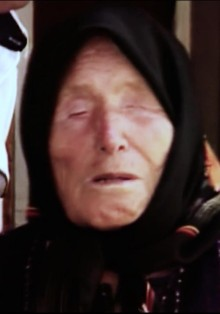
Modern scholars caution that most of her most famous “predictions” surfaced after the fact, shaped by memory, interpretation, or sensational retelling. An expert in paranormal studies has pointed out that there’s virtually no primary documentation of her prophecies, and much is rooted in oral accounts or unverified notes.
Tornado as the Turning Point
The tornado story remains central to her myth. It is widely believed that the physical trauma triggered a psychic awakening. Yet, skeptics view it as folklore—an origin myth that shaped her image and authority. Still, many who experienced her counsel spoke of vivid visions and intimate revelations that seemed inexplicable at the time.
Legacy and Skepticism
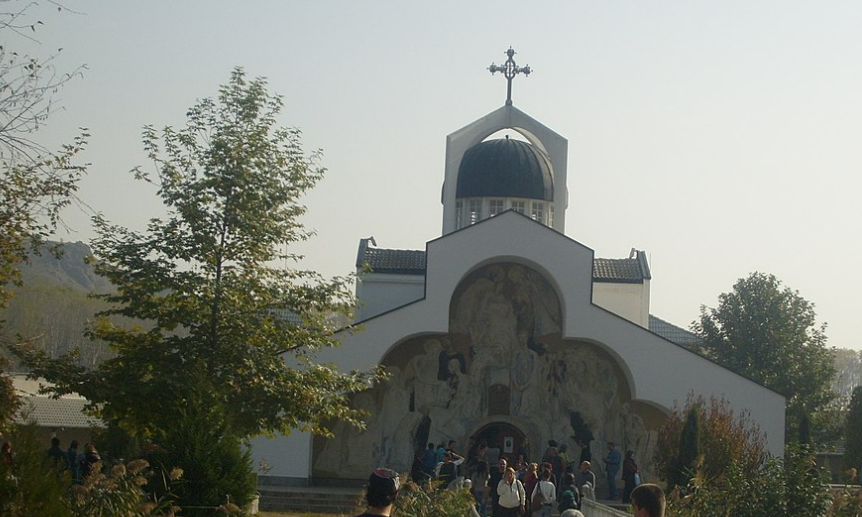
Baba Vanga died in 1996, but her legend endures. In Bulgaria, her former home is now a museum, and pilgrimages continue. Books, documentaries, and online forums revisit her visions: some alarming, others hopeful. Followers believe her prophecies span centuries, forecasting everything from extraterrestrial contact to environmental collapse.
Yet professionals in psychology and folklore warn against treating such stories as fact. Without records or verifiable evidence, her predictions remain unproven—and often reinterpreted to fit modern events.
A Symbol of Faith and Folklore
Vanga’s narrative—from an ill-fated tornado to international renown—blends mysticism, culture, and mystery. Whether seen as a spiritual seer or an elaborate myth, she remains one of Eastern Europe’s most compelling figures. Her story reminds us how unpredictable events—like a violent storm—can transform a life and echo through generations.
You might also want to read: Student Forgets $27 Bitcoin Investment, Discovers It’s Worth Over $500 Million