Paris Jackson Says “I Consider Myself Black,” Citing Her Father

© CC BY 3.0
Paris Jackson, the daughter of music icon Michael Jackson and nurse Debbie Rowe, has publicly stated that she identifies as a Black woman. Despite her light skin tone and blue eyes, Paris shared that her father raised her to embrace her Black heritage.
He often told her, “You’re Black. Be proud of your roots,” a message she took to heart. “To my knowledge, he’s never lied to me,” she once said in an interview.
Reconciling Appearance With Heritage
Paris admits that she understands why people might assume she’s white. “Most people who don’t know me call me white. I’ve got light skin and, especially since I’ve had my hair blond, I look like I was born in Finland or something,” she said. Still, she emphasizes that being mixed-race isn’t about how you look—it’s about your roots and upbringing. She even referenced actor Wentworth Miller as someone in a similar position who is also mixed but perceived as white.

Lessons From Her Father’s Legacy
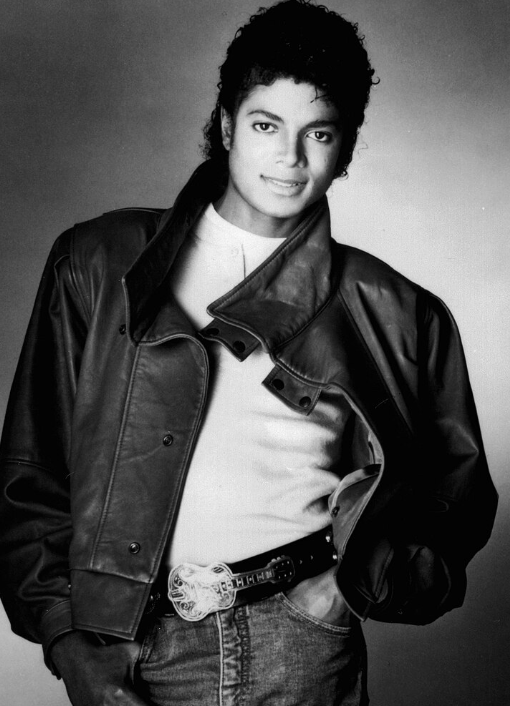
Michael Jackson, who battled vitiligo and faced constant media scrutiny over his changing appearance, instilled a strong sense of identity in his children. Paris explained that although her father’s skin became lighter over time due to his condition, he never stopped embracing his Black identity. This is something Paris says he passed down to her through both conversations and the way he raised her. She credits her father’s honesty and guidance for helping her feel confident in identifying as Black.
Public Debate and Mixed Reactions
Her identity statement has sparked intense public debate, especially online. Many praised her for owning her heritage, while others expressed confusion over how someone who appears white could identify as Black. On Reddit and social media, mixed-race users weighed in, with one commenter noting, “If she understands that Michael Jackson is her biological father, then she can identify however she chooses.”
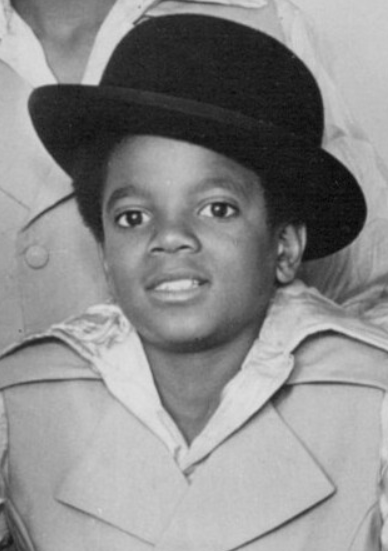
Others pointed out how racial identity, especially for mixed individuals, is often policed by outsiders who base everything on appearance—ignoring culture, upbringing, and lived experience.
Identity in a Changing Conversation
Paris Jackson’s choice to identify as a Black woman reflects a larger cultural conversation about race, heritage, and self-definition. Especially for people of mixed heritage, racial identity isn’t always visible—it’s deeply personal. By publicly affirming hers, Paris is challenging outdated assumptions and highlighting the diversity within the Black experience.
You might also want to read: Elon Musk Speaks Out After Epstein Claims About Trump and Explains His U-Turn