Earth Is Spining Faster and Scientists Are Considering Doing Something They Have Never Done Before
© Freepik
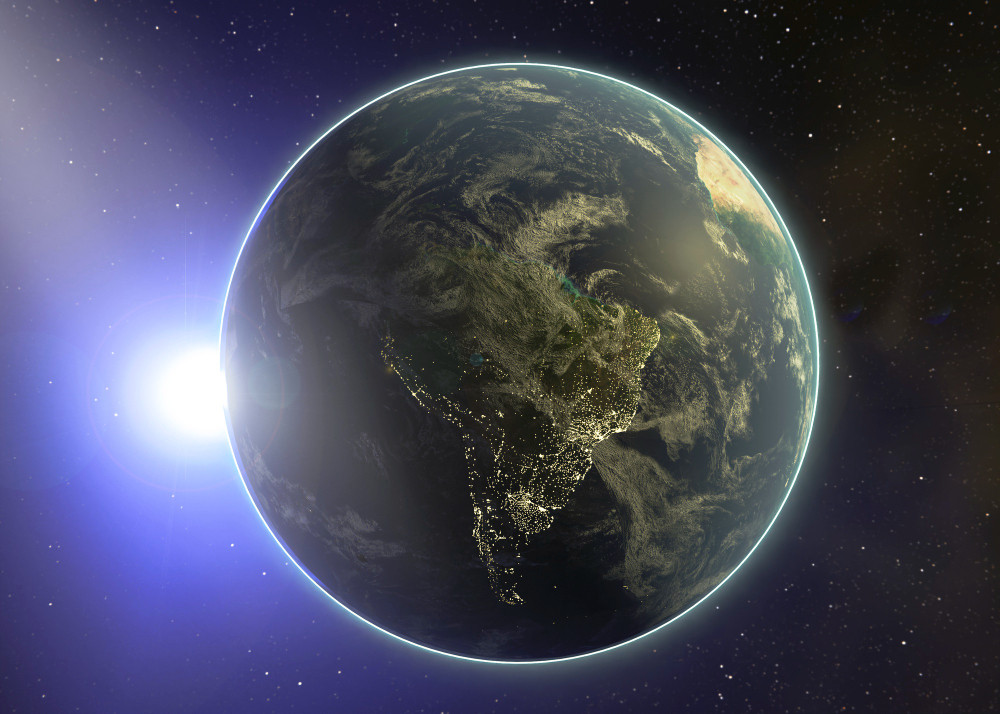
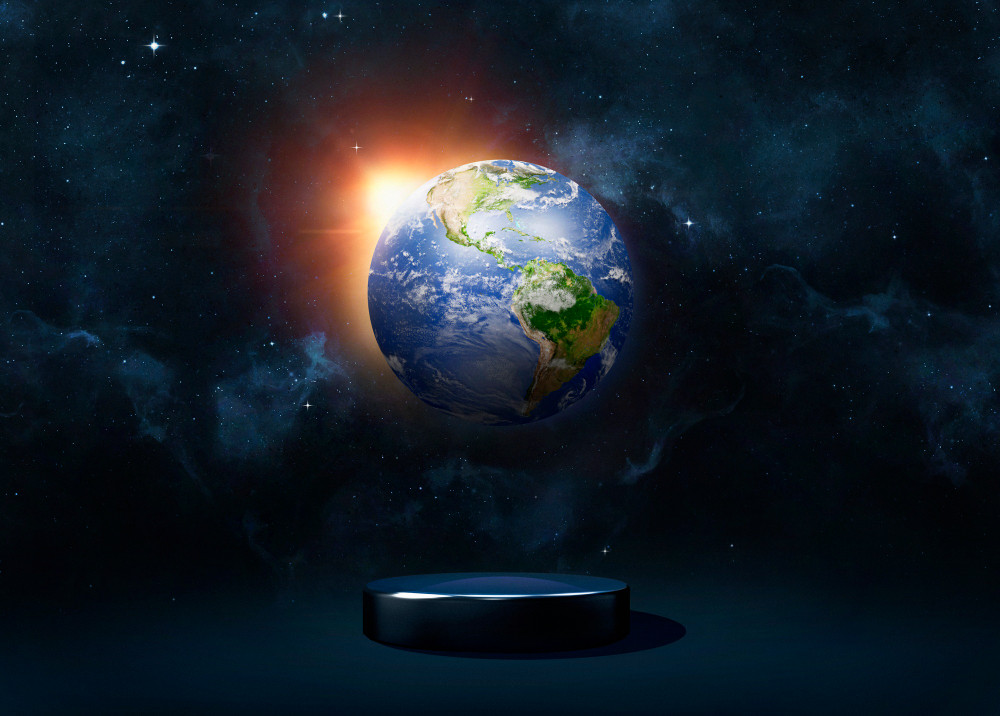
You might not notice it, but scientists are tracking something unusual: Earth is spinning faster than usual. This small change, measured in milliseconds, is catching the attention of researchers and timekeepers worldwide.
It’s not just a fun fact—it could affect everything from your GPS to global communication systems.
Let’s dive into why Earth is speeding up and what it means for us.
Why Is Earth Spinning Faster?
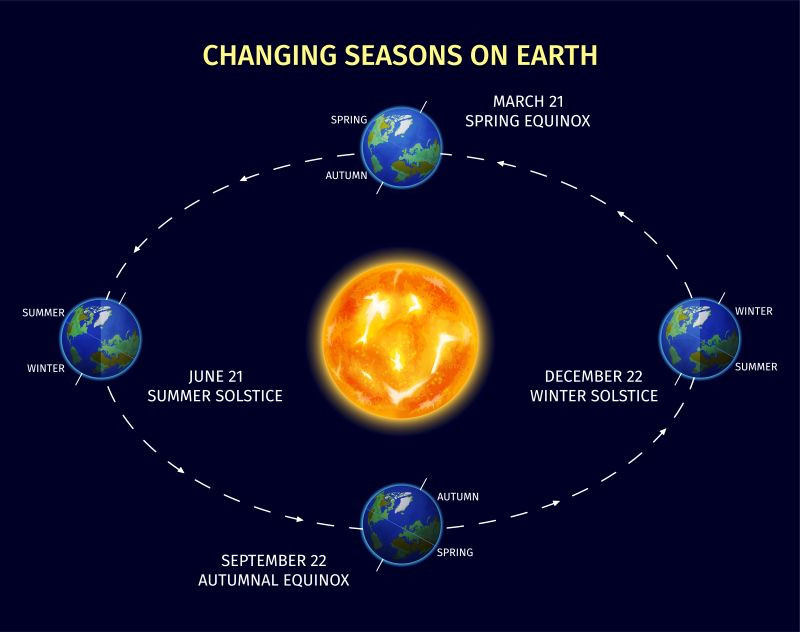
Earth takes about 24 hours to complete one full rotation, which we call a day. But this time isn’t always exact. Scientists have noticed that since around 2020, our planet’s spin has been getting a bit quicker. For example, July 10, 2025, was the shortest day this year, clocking in at 1.36 milliseconds less than 24 hours. More short days are expected on July 22 and August 5, shaving off 1.34 and 1.25 milliseconds, respectively.
Several factors are behind this. The moon’s gravity plays a big role. When the moon is farther from Earth’s equator, its pull is weaker, letting Earth spin faster. Seasonal changes, like shifts in the atmosphere or jet stream, also affect the planet’s speed.
Even Earth’s liquid core, which has been slowing down for decades, makes the solid Earth around it spin a bit faster to balance things out. While these changes are tiny, they add up over time and can impact systems that rely on precise timing.
Could We Lose a Second?
For years, Earth’s rotation was slowing down, so timekeepers added “leap seconds” to keep our clocks in sync with the planet’s spin. Since 1972, 27 leap seconds have been added, but none since 2016 because of Earth’s speedup.
Now, scientists are considering something new: a negative leap second. This means removing a second from our clocks to match Earth’s faster rotation. Experts think this might happen by 2029, though some say it could be needed as early as 2026 if the trend continues.
A negative leap second has never been done before, and it’s a big deal because many technologies, like GPS, satellites, and banking systems, depend on exact timekeeping. A sudden change could cause problems, similar to the Y2K scare when computers struggled with a date change. Scientists are still debating whether this step is necessary, as Earth’s spin might slow down again in the future.
Should We Be Worried?

The good news? These tiny changes won’t affect your daily life. You won’t feel the day getting shorter by a millisecond. But for scientists, it’s a puzzle. Some believe this speedup is just a temporary phase, possibly caused by natural changes inside Earth, like movements in its core. Others point to human activities, like melting ice from climate change, which can shift Earth’s mass and slow its spin slightly, balancing out the speedup.
For now, researchers are watching closely. The International Earth Rotation and Reference Systems Service tracks these changes using super-accurate atomic clocks. They’re not sure why Earth is speeding up, but they’re working to understand it. While it’s not a cause for panic, it’s a reminder that our planet is always changing, even in ways we can’t see.
In the coming years, we might need to adjust our clocks in a way we’ve never done before. It’s a small tweak, but it shows how connected we are to Earth’s rhythms. Scientists will keep studying this trend to make sure our technology stays in sync with our spinning planet.
You might also want to read: Prepare to See the Rare Strawberry Moon on June 11th!