UK Dad, 38, “Trapped in His Own Body” After Having a Headache
© SWNS
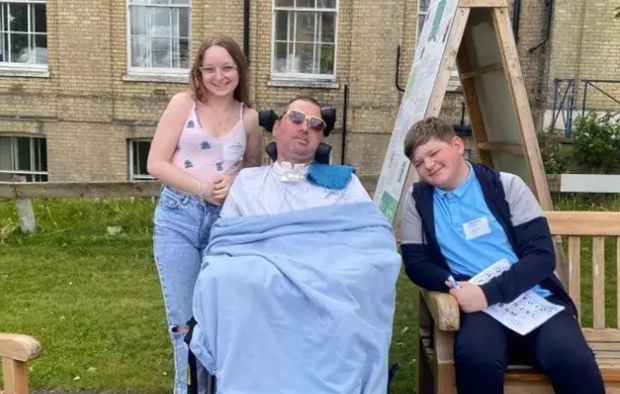
Gareth Bayley, a 38-year-old father of two from Bexley, southeast London, first ignored his persistent headache as work stress in April 2022.
But when he collapsed at a construction site and experienced seizures, paramedics rushed him to the hospital. The diagnosis: a catastrophic stroke in his brain stem. Within hours, his physical world fell silent.
Locked-In Syndrome: Consciousness With No Movement
Gareth was diagnosed with locked-in syndrome—a rare neurological condition that leaves individuals fully aware but unable to move or speak. Only eye movements and blinking provide a means of communication. Despite his cognitive alertness, Gareth can no longer walk, talk, or feed himself.
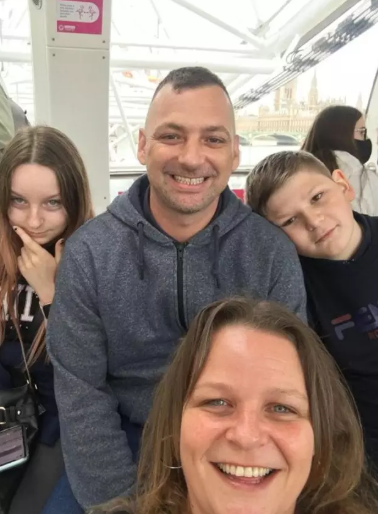
His family describes him as mentally intact: “He is still him—he remembers everything. It’s just that he can’t move,” his wife Karen shares. They say losing his ability to express himself physically while maintaining full awareness is heartbreaking—but Gareth remains a fighter.
Small Returns Spark Hope
Today, Gareth can blink to spell messages, and he’s regained subtle facial expressions like smiling—signs of life returning amid the paralysis. These tiny breakthroughs have encouraged his family, showing that improvement—even in small forms—is possible.
A Family’s Mission: Restoring Mobility and Dignity
Karen is fundraising for a specialized Functional Electrical Stimulation (FES) bike, sourced from the U.S. Priced around £35,000, this device sends electrical pulses to paralyzed muscles, with the potential to restore movement, reduce pressure sores, and improve joint mobility. While public funding was denied, Karen believes it could offer Gareth independence, improved physical health, and a path home.
Life Inside the Void
The Bayley family’s routine has been restructured around Gareth’s care. He now resides in a care facility, receiving limited therapy and constant support. Each regained movement—however small—offers evidence that his spirit endures.
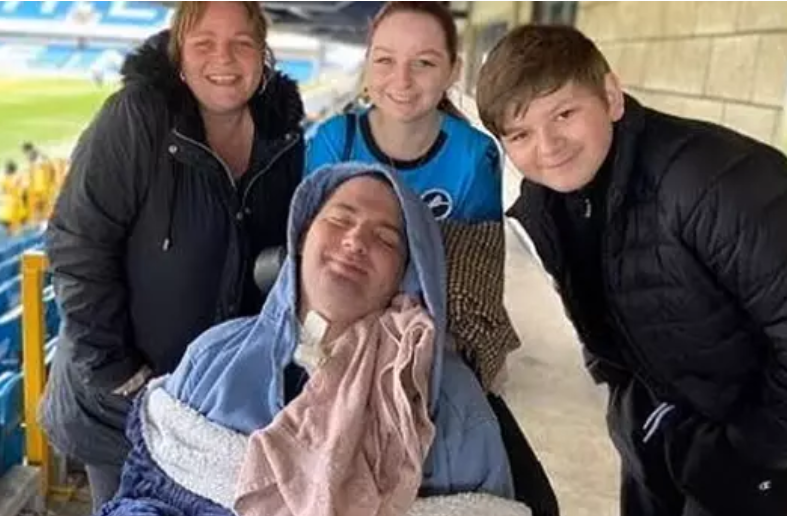
Karen says: “Every day, Gareth wakes up determined to keep fighting.” Their journey underscores a painful truth: profound consciousness with no agency is deeply isolating—but not without meaning.
What’s Locked-In Syndrome?
Locked-in syndrome results from damage to the brain stem, often due to stroke or trauma. Patients remain cognitively intact but lose voluntary muscle control, except in small eye muscles. The condition is extremely rare and usually irreversible, though some regain limited motor function over time. Communication is often sustained via eye-tracking devices and caretakers counting blinks.
Despite its severity, statistics show many patients retain full brain function—a cruel divide between mental awareness and physical paralysis. Rehabilitation tools like eye-tracking software or electrotherapy devices can offer modest improvements.
Why Gareth’s Story Matters
Gareth Bayley’s experience brings attention to the hidden burdens of neurological trauma—where life continues behind immobile forms. His story is not just about survival—it’s about dignity, hope, and the daily fight to reclaim agency. Families and advocates now call for broader insurance coverage of assistive technologies and raise awareness about the condition.
You might also want to read: Teacher Fired After Drinking in Class, Calling Students “Little S‑ts,” and Forcing Macarena Dance