3-Year-Old Dies After Being Left in Hot Car by State Contractor
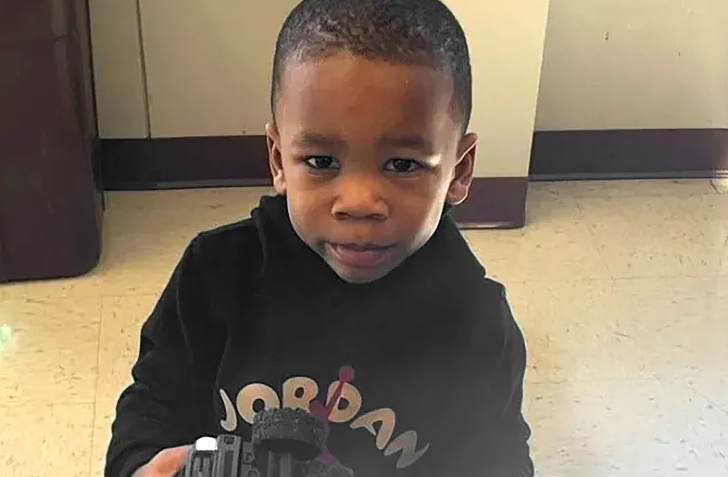
© Change.org
On July 22, Ke’Torrius “KJ” Starkes Jr., a 3-year-old Alabama boy in foster care, tragically died after being forgotten inside a locked car for nearly five hours.
He was in the custody of a contractor working for the Alabama Department of Human Resources, assigned to transport him following a supervised visit with his father.
Eliminated by Heat, Not Malice
Temperatures that afternoon soared past 96°F in Birmingham. The contractor reportedly was supposed to take KJ to daycare after the visit—but instead drove home, made personal errands, and simply left him strapped in the back seat. He was discovered unresponsive at approximately 5:30 p.m. and pronounced dead at the scene shortly thereafter. Police described the incident as accidental.

Family’s Pain and Systemic Failure
KJ’s parents issued a statement through their lawyer, calling it “a parent’s worst nightmare” and emphasizing the tragedy would not have happened if he had been with them. The family’s attorney noted that the very system meant to protect him ultimately caused his death.
Legal and Institutional Fallout
The contractor working for Covenant Services Inc.—a transport provider under contract with the state—has been terminated. Authorities confirmed the worker has cooperated with the investigation and was brought in for questioning. As of now, no criminal charges have been filed; that decision rests with prosecutor’s review.
Hot Car Tragedies: A Recurring Danger
Hot car deaths remain tragically common across the U.S., particularly among young children. A child left unattended in a vehicle can suffer irreversible health effects within minutes in temperatures above 90°F. Experts say well-meaning adults can forget a child is inside the car, especially among caregivers managing other responsibilities.
Why This Story Resonates
This incident highlights deep concerns about oversight in child welfare systems. A foster child—already separated from his family—was further harmed by negligence in a system designed to protect. Families and advocates are now calling for stringent safety protocols, including mandatory check-ins, timed monitoring, and GPS alerts for vehicles used in such transport.
What Happens Next
Law enforcement continues to investigate. If prosecutors determine criminal charges are warranted, they may pursue involuntary manslaughter or child neglect charges. Meanwhile, child welfare advocates are pushing for policy reviews and stricter accountability measures in workplace practices of contractors serving state systems.
You might also want to read: Arkansas Couple Killed While Protecting Two Daughters