Brazilian Woman Dies After Phone Malfunctions on Bus
© Generated by Recraft
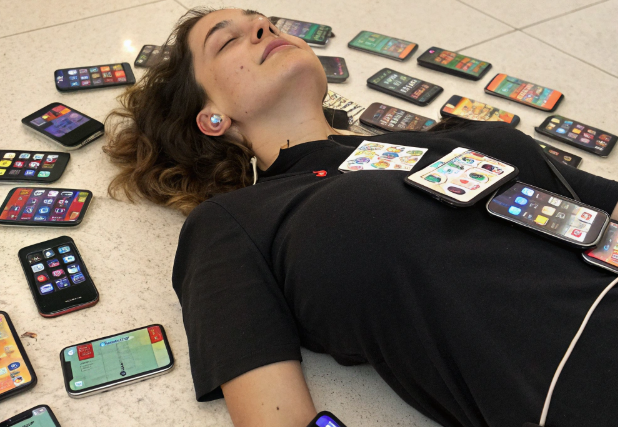
On August 1, 2025, 28-year-old Mariana Santos boarded a public bus in São Paulo, plugging her cell phone in at an onboard USB charging port.
Within minutes, she collapsed, reportedly saying she had received an electric shock. Fellow passengers tried to help, and the bus driver stopped to call paramedics—but Mariana never regained consciousness and died shortly after arriving at a local hospital.
Allegations Focus on Faulty Charger
Witnesses say Mariana’s phone charger remained plugged in while she experienced convulsions.
A formal complaint filed by the family alleges that she was electrocuted—possibly due to an overloaded charging port or defective adapter. Prosecutors have seized both the phone and the bus device for forensic analysis.
Jurisdiction Handoff and Expert Testing
Local authorities have received an unusual referral: the case has escalated from municipal police to the São Paulo state prosecutor’s office, which is now treating it as a potential accidental death involving faulty technology.
Forensic engineers are set to perform electrocution testing on the charger, the bus’s electric system, and the mobile device. It’s one of the first cases in Brazil exploring the safety of public USB charging infrastructure.
Family Speaks: A Tragedy and a Warning
Mariana’s mother described her daughter as vivacious and tech-savvy—someone always helping others.
She urged others to be cautious when using public charging equipment, even as officials stress that modern devices rarely cause serious harm when used properly.
Her family hopes this investigation brings clarity—and perhaps safer standards for public USB ports nationwide.
Broader Concerns Over Mobile Safety
Though extremely rare, electrocution from everyday electronics isn’t unheard of. Safety experts emphasize that most mobile devices and certified chargers include built-in safeguards.
Still, mishandled hardware, counterfeit equipment, or faulty infrastructure can pose risks.
In Brazil, bus networks are increasingly offering USB ports as amenities. This case may lead to a review of safety protocols, quality control, and regulatory standards for onboard electrical systems.
Awaiting Forensic Verdict
Forensic engineers plan to recreate the exact scenario under laboratory conditions.
If evidence supports an electric shock, the bus company could face civil lawsuits—or even criminal charges if negligence is proven. For now, the cause of death remains officially listed as “undetermined pending investigation.”
Why This Case Matters
Mariana’s death places attention on an ordinary convenience we often trust wholeheartedly.
It serves as a reminder that technological advancements—however widespread—must be rigorously tested in public settings. Beyond the tragedy itself, her case could prompt sweeping changes to public safety infrastructure across Latin America.
You might also want to read: Toddler Accidentally Shoots Himself in the Leg with Mom’s Gun