Man Is Guilty After Smuggling 850 Turtles to Hong Kong In Socks
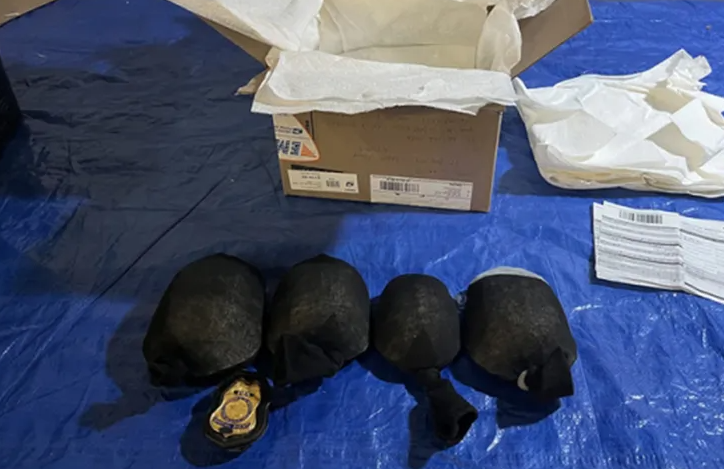
© U.S. Fish and Wildlife Service
Between August 2023 and November 2024, Wei Qiang Lin, a Chinese national residing in Brooklyn, orchestrated a massive smuggling operation with turtles.
He shipped around 222 parcels containing approximately 850 turtles—both eastern box turtles and three-toed box turtles—via mail to Hong Kong. Customs officials intercepted packages labeled deceptively as “plastic animal toys,” ultimately revealing the illegal cargo concealed in knotted socks.
Turtle & Wildlife Destruction Wrapped in Deception
Eastern box turtles and three-toed box turtles are internationally protected under the CITES agreement, owing to their threatened status caused by habitat loss and poaching for the pet trade.

In several instances, Lin went further—shipping 11 additional parcels containing various reptiles, including venomous snakes. The value of the turtles alone is estimated at $1.4 million, putting a sharply tangible figure on the crime’s severity
Guilty Plea and Harsh Sentencing Ahead
Lin pleaded guilty in the U.S. District Court for the Western District of New York.

He now faces substantial consequences: up to five years in prison, three years of supervised release, and fines up to $250,000—or double the illicit gains from his actions. His sentencing is scheduled for December 23, 2025. As part of the plea, Lin forfeited any claim to the seized animals.
Echoes of Past Turtle Trafficking Rings
This case echoes the earlier conviction of Sai Keung Tin, who pleaded guilty to smuggling more than 2,100 turtles to Hong Kong between 2018 and 2023—valued at over $4 million. Tin had been using similarly deceptive methods, shipping turtles bound in socks and mislabeling them.
He was sentenced to 30 months in prison in March 2025, setting a legal precedent for punishing mass wildlife trafficking.
The Larger Implications for Wildlife Trade
Law enforcement officials highlight that these high-profile cases are only the tip of the iceberg. The turtle trafficking syndicate employs covert mail routes, forged documents, and strategic mislabeling to evade detection. Without aggressive enforcement and international cooperation, isolated species like box turtles can face irreversible population declines.
The repeated arrests and prosecutions send a solemn reminder that wildlife crime is both lucrative and ecologically destructive.
You might also want to read: Florida Mom Diagnosed with “Popcorn Lung” After Vaping, Warns Others