‘Frankenstein’ Rabbits With ‘Tentacles’ Spread Across the US, Pushing Experts to Issue an Urgent Alert to Stay Away From Them
Have you ever seen something in nature that made you stop and wonder what was going on?
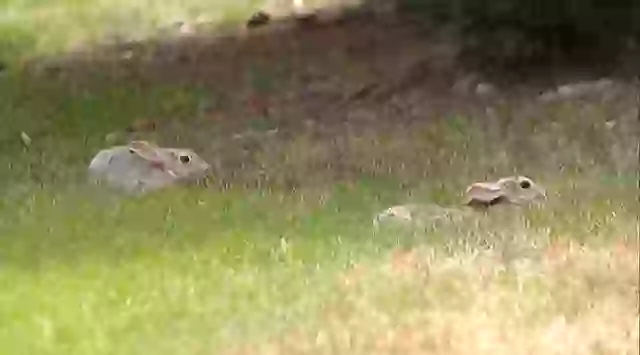
In a quiet town in Colorado, people are noticing animals that look very different from what they are used to.
These creatures hop around like normal, but their appearance tells a different story.
As reports come in, experts are stepping up to explain what might be behind these odd changes.
Keep reading to find out more about this unusual event.
Frankenstein Rabbits: What Is Happening to These Animals?
What exactly are Frankenstein rabbits, and where have they been seen?
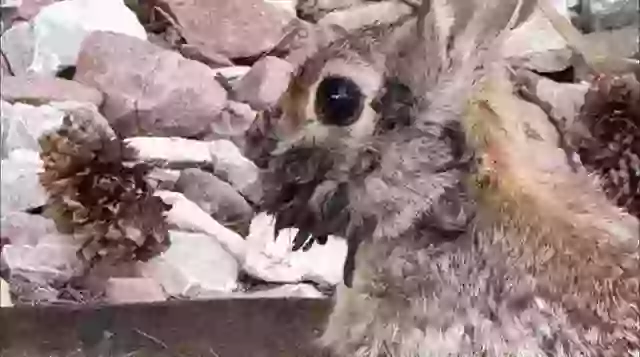
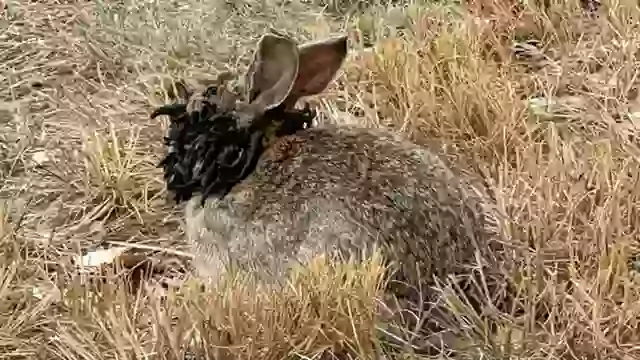
In Fort Collins, Colorado, locals have shared photos of wild rabbits with black, pointy growths on their faces. These growths can look like short spikes or even small branches sticking out near the mouth, eyes, and cheeks.
At first, some people thought it was dirt or an injury, but a closer look showed it was something else. Wildlife officials from Colorado Parks and Wildlife have looked into it and found that a virus is the cause.
This virus affects cottontail rabbits, which are common in the area. It starts with small red spots on the skin. Over time, these spots turn into bumpy areas that harden and grow longer.
In bad cases, the growths can cover parts of the face, making it hard for the rabbits to eat or see, hence the name Frankenstein rabbits.
Sadly, some rabbits may not survive if the problem gets too big, as they could starve. But many rabbits live with it for years, and the growths do not always hurt them right away.
The virus spreads through bugs like mosquitoes and ticks. These insects bite an infected rabbit and then carry the virus to others. It does not pass directly from one rabbit to another or to people.
This means humans and pets are safe, but experts still say to keep away from these rabbits. Do not try to touch or help them, as it could stress the animals more.
How Wide Is the Spread and What Can Be Done?
So far, most sightings are in Colorado, but researchers think it could show up in other Midwest states. The virus has been around for a long time and is linked to old stories about rabbits with antlers, like the jackalope tale. In the wild, there is no treatment, and officials do not plan to step in unless it becomes a bigger issue.
For people with pet rabbits, the advice is clear: keep them inside or use bug spray to stop bites. If a pet gets the virus, a vet can remove the growths early to prevent problems. In the wild, nature takes its course, and the rabbits adapt as best they can.
One local person saw the same rabbit come back year after year, with the growths getting bigger each time. This shows how tough these animals can be. Wildlife groups are watching to see if more cases appear. They ask people to report sightings, but not get too close.
Why This Matters and What to Watch For
This event reminds us that nature has its own challenges. Viruses like this one show how connected animals and insects are. While it is not a danger to us, it affects the local wildlife balance. If more rabbits get sick, it could change how many there are in an area.
Experts say this is not new, but warmer weather might help the bugs spread it more. People in other states should know the signs: red spots turning into hard growths on the head. If you see one, take a photo from far away and tell local wildlife services.
In the end, these rabbits are dealing with a tough virus, but they keep going. It is a good lesson in leaving wild animals alone and letting experts handle things. As more reports come in, we will learn if this stays small or grows.
For now, it is a strange part of life in the outdoors that makes us think about the hidden sides of nature.
You might also want to read: Update: Dire Wolves That Were Brought Back From Extinction Have Grown Twice Their Size in No Time