Doctor Passes Out in Surgery and Keeps Operating with an IV in His Foot
Why did the doctor faint during surgery in the Turkish hospital?
Have you ever wondered what happens when a medical professional faces a personal crisis right in the middle of saving someone’s life?
In the high-stakes world of surgery, unexpected events can test the limits of human endurance.
These moments reveal the true commitment of doctors who put patients first, even when their own health is at risk.
Stories like these show the human side of medicine and raise questions about where to draw the line between duty and self-care.
Doctor Faints During Surgery: The Incident That Captured Attention
In a hospital in Turkey, an ear, nose, and throat surgeon named Prof. Dr. Oğuz Basut was in the middle of a complex operation. He was removing a tumor from a young woman’s salivary gland, a procedure that required precision to avoid damaging a key facial nerve.
As the surgery progressed, Dr. Basut started to feel unwell. His blood pressure dropped sharply due to food poisoning from the previous day. He began to faint but refused to stop the operation.
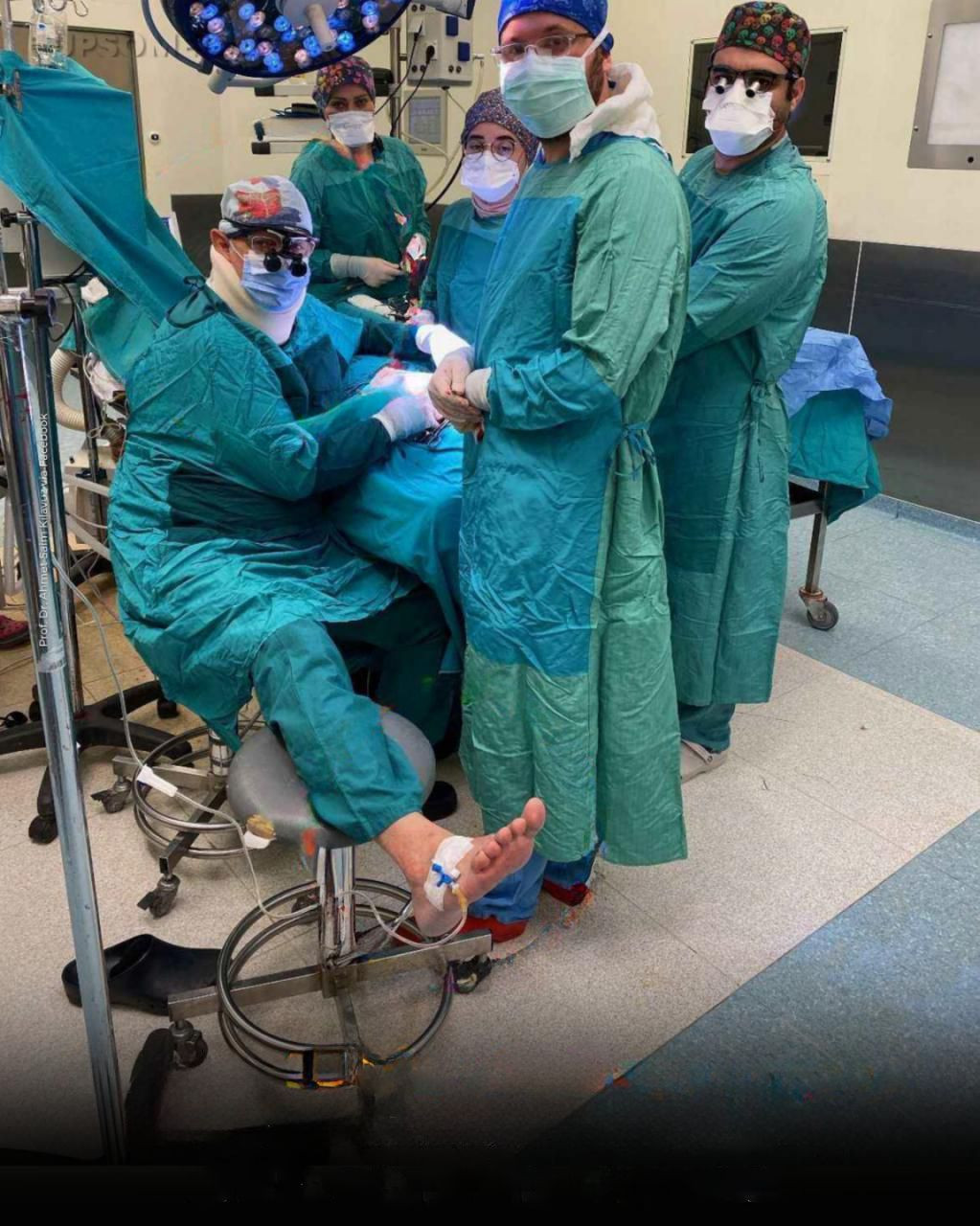
His team acted quickly. Since his arms were sterile and ready for surgery, they inserted an intravenous line into his right foot to give him fluids. This helped stabilize his condition within minutes. Dr. Basut then continued the surgery while sitting down, ensuring the patient was safe.
“I was not in a position to abandon the surgery,” he explained.
A photo of him with the IV in his foot spread online, highlighting his determination. The operation was a success, and the patient recovered well. This event sparked discussions about the lengths doctors go to for their patients.
“I am sure all professionals would have done the same,” he said.
Acts of Dedication Around the World
Can overwork cause a doctor to faint during surgery?
Similar stories of doctors pushing through health challenges have emerged from other countries. In China, for example, a 58-year-old doctor collapsed in the operating room after completing seven surgeries over 48 hours. He had been working nonstop, treating patients without rest.
Despite fainting from exhaustion, both he and his last patient survived. Another case involved surgeon Luo Heng, who fell to the ground after performing operations for 28 hours straight. These incidents point to the intense demands on medical staff in busy hospitals.
In yet another example from China, an emergency doctor treated 40 patients during a long night shift before collapsing and sadly passing away. Such events are not rare in high-pressure environments where staff shortages force doctors to work extended hours.
Even outside of fainting, there are tales of perseverance, like Russian doctors who kept operating on a patient during a magnitude 8.8 earthquake. The shaking did not stop them from completing the procedure safely. These examples show how doctors worldwide face unexpected obstacles but stay focused on their work.
Balancing Heroism and Patient Safety
While these stories inspire admiration, they also raise important concerns. Is it always right for a doctor to continue when feeling ill? In Dr. Basut’s case, some praised him as a hero for not abandoning the patient, especially if he was the only expert available for that surgery.
Others worried about risks, calling it potential negligence that could harm the patient if things went wrong. Medical guidelines stress that doctors should prioritize safety, but in real-life situations, decisions can be tough.
Fainting in the operating room, often due to vasovagal reactions from stress, heat, or lack of food, is more common than many think. Studies show that medical students and even experienced surgeons experience it, but most recover quickly.
To prevent issues, hospitals encourage breaks, hydration, and team support. These incidents remind us that doctors are human too, dealing with fatigue, illness, and pressure.
In the end, stories like Dr. Basut’s highlight the dedication to healthcare. They encourage better systems to support medical workers, such as more staff and rest policies, to avoid burnout.
Patients benefit when doctors are at their best, and these events push for changes that protect everyone involved. The next time you hear about a surgeon’s tough day, remember the unseen efforts that keep lives on track.
You might also want to read: A 19-Year-Old’s Life Was Saved by a World-First Surgery Removing a Spinal Tumor Through Her Eye Socket!