DoorDash Driver Nets $12 for Just 15 Minutes of Driving—Reveals Her Money-Making Hack
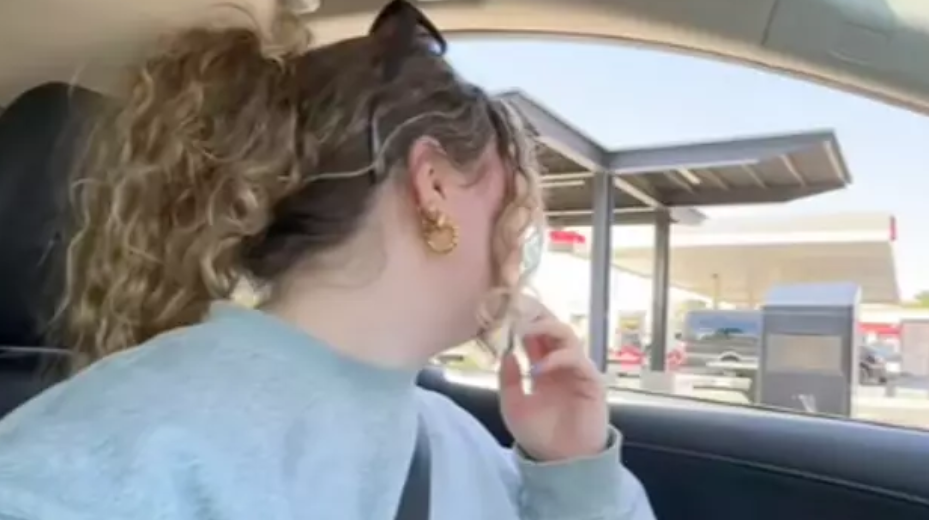
© ourdisposablelife / TikTok
Arizona-based DoorDash driver and TikTok creator Amanda Solano—known online as @ourdisposablelife—has turned over $12 in just 15 minutes of driving into a viral success.
Driving through Phoenix, she revealed that delivering a Wendy’s order earned her a quick $12, and she had barely broken a sweat. The Facebook-like explanation: early morning coffee orders are unexpectedly lucrative and efficient.
The “Coffee Hack” Pays Off
Solano attributes her success to strategic timing rather than sheer speed. Her shift started at 8 a.m., with early coffee runs at Black Rock Coffee Bar serving as reliable money-makers. Her first delivery—a simple coffee—paid $6.25, and her fourth or fifth order, the Wendy’s stop, cleared $12 in under 15 minutes. With drive-thru access, she bypassed complications and cut wait times, earning more per trip.

Earnings by the Hour for the DoorDash driver
When tallying up her early morning effort, Solano revealed she completed 12 deliveries over four and a half hours, driving more than 44 miles.
Despite spending $10 on gas, her take-home was nearly $90—translating to just over $21 per hour. That’s well above Arizona’s minimum wage, and far better than the $12 per hour many Dashers cite in reviews.
DoorDash Income Reality Check
While Solano’s haul was impressive, DoorDash earnings can vary widely. According to Indeed reviews and driver forums, earnings as low as $12 per hour—before gas and vehicle costs—are common when waiting time and traffic come into play.
Meanwhile, platforms like Everlance estimate that average DoorDash drivers, factoring in tips and bonuses, earn between $20 and $25 hourly, with high-performers exceeding $30 in busy areas. However, broader reports show gig workers often earn less than minimum wage, especially when factoring in wait times, vehicle wear, and no benefits.
Hustle, Strategy, and Gig Economy Realities
Solano’s morning strategy—capitalizing on brunch-time coffee demand—highlights how gig workers can optimize income by aligning deliveries with consumer habits.
But the gig economy still leaves many workers at risk: without wage transparency, platform minimums, or worker protections, earnings remain inconsistent. In cities like Seattle, legislation has mandated wage floors for app-based delivery workers, but critics argue the structure still leaves gaps in coverage and pay fairness.
A Caffeinated Lesson for Dashers
Through her viral videos, Solano not only paid her rent but also spotlighted how creative scheduling and location knowledge can make the gig economy work harder for workers—not just consumers.
Her takeaway? Know your timing. Early morning coffee runs can offer surprising financial returns in a tough marketplace.
You might also want to read: Military Couple Indicted After Starving Daughter to Death