China Develops First Humanoid Robot with Artificial Womb to Simulate Full Pregnancy
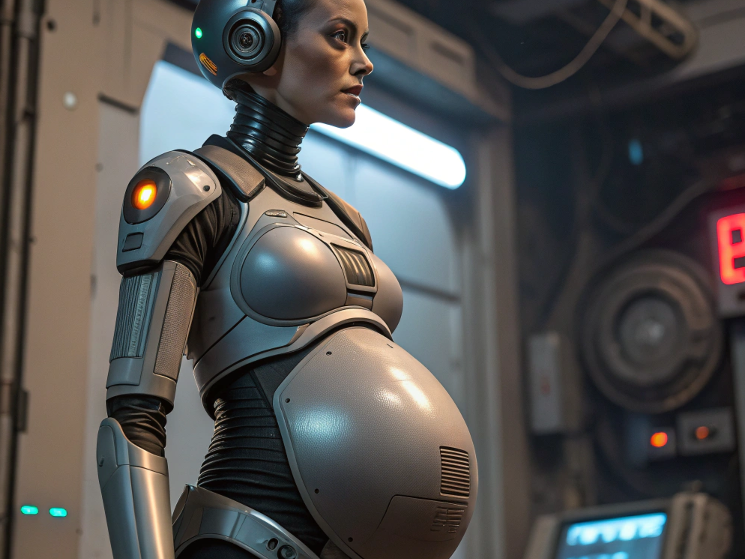
© Generated by Recraft
Chinese tech company Kaiwa Technology, led by Dr. Zhang Qifeng, has unveiled a project unlike any other: a humanoid robot designed to carry a human fetus within an artificial womb from conception to birth.
This pioneering advancement signals a potential revolution in reproductive medicine.
How the Pregnancy Robot Works
The robot features an artificial womb housed within its abdominal cavity. This womb mimics human gestation using artificial amniotic fluid and a nutrient delivery system that replicates the function of a placenta—delivering essential nourishment while removing waste.
Dr. Zhang describes the technology as more than an incubator; it’s a life-size humanoid capable of natural human-robot interaction during pregnancy.
Timeline and Cost
The company is targeting a 2026 prototype launch, with an estimated cost under 100,000 yuan (roughly US$14,000)—significantly more accessible than traditional human surrogacy.
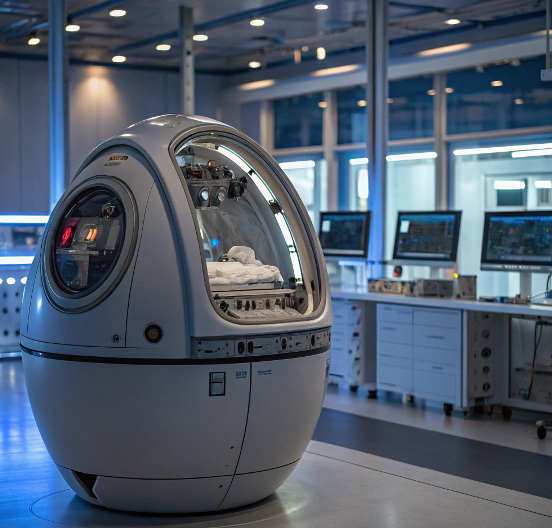
The underlying artificial womb technology is considered mature, yet integrating it into a humanoid body capable of safely carrying a human pregnancy remains a complex step.
Potential Applications and Impacts
Supporters suggest the robot could offer infertile individuals or those reluctant to undergo pregnancy a new path to parenthood. The innovation could also reshape reproductive science and reduce medical risks associated with childbirth.
It might particularly benefit same-sex male couples, women with medical complications, or those seeking alternatives to traditional gestation.
Ethical and Legal Scrutiny Intensifies
The announcement has stirred intense debate. Critics question how emotional and biological bonding would develop without a human mother, and worry about the implications for identity and parental relationships.
The role of gestational hormones, immune interactions, and psychological bonding is also a difficult challenge to replicate via technology. Dr. Zhang and Kaiwa are reportedly in discussions with Guangdong authorities to establish ethical and legal frameworks for regulating this emerging frontier.
From Biobags to Full-Term Robots
Artificial womb technology isn’t entirely new. In 2017, researchers successfully maintained premature lambs in a “biobag” mimicking a womb-like environment.
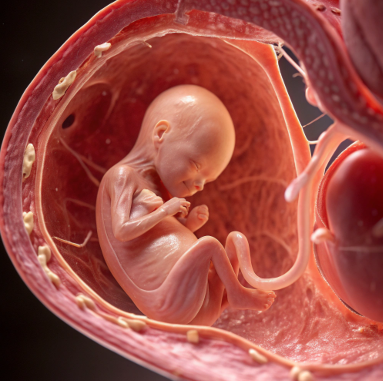
However, transitioning from partial to full-term gestation—within a humanoid robot—elevates the challenge to unprecedented levels. The shift marks an extraordinary step in reproductive autonomy—but one laden with unanswered questions.
A Future of Possibilities—or Perils
As the world watches, China’s “pregnancy robot” stands at the intersection of medical promise and moral complexity. It may transform how children are conceived, born, and raised—but it may also redefine what it means to be human, parenthood, and the very essence of family.
You might also want to read: Half of Women in Relationships Keep a “Backup Partner” in Mind