People Are Freaking Out After Seeing the Inside of a Kangaroo Pouch
© Generated by Recraft
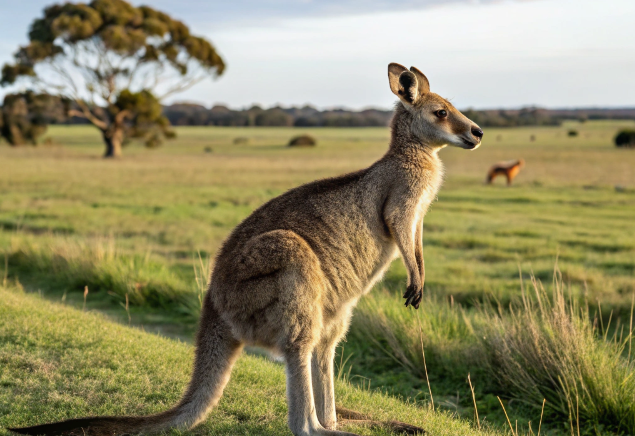
A five-second video from Animal EDventure Park & Safari in Florida, showing the inside of a kangaroo’s pouch, blew up online—with users reacting in shock, disgust, and awe.
What many assumed was a cozy, furry pocket turned out to be something much more biological—and less cuddly.
“Like Being Inside a Womb”
Viewers were taken aback. One wrote, “This isn’t cosy and furry like I imagined—it’s more like being inside a womb with a hole in it.”
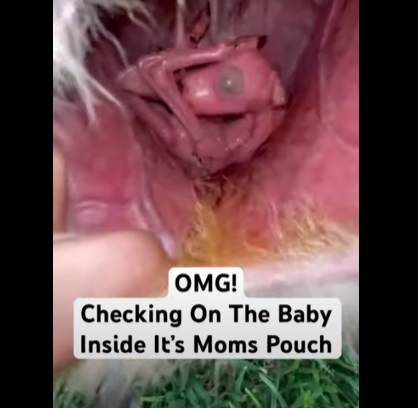
Another adult Australian admitted surprise, saying they’d “never seen this before,” despite growing up around kangaroos. The pouch’s appearance—bright reddish skin easily seen with veins underneath—defied expectations of softness and warmth.
The Science Behind the Sight
Inside a kangaroo pouch isn’t plush fur—it’s skin slightly slick and chaste, comparable to the soft flesh on your wrist and warmed to around 105°F, mimicking the mother’s body temperature. This environment is vitally protective for a newborn joey, which is about the size of a jellybean upon birth—a fragile, undeveloped marsupial that instinctively climbs inside its mother and latches onto one of her teats.
The pouch contains four teats, each uniquely supplying milk tailored to joeys at different developmental stages. While inside, the joey grows, protected and fed, gradually emerging only after several months.
How the Kangaroo Pouch Stays Clean
The pouch sees a lot—joeys do all their biological business while inside, and older joeys may drag in dirt when they come and go.
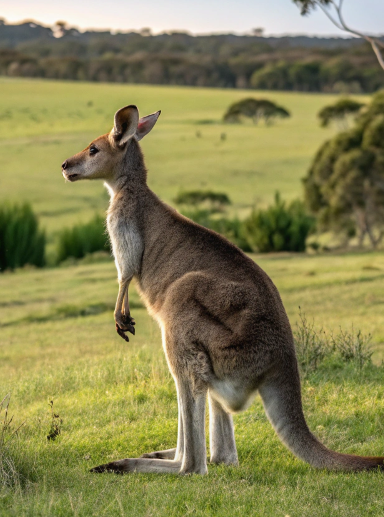
Kangaroo mothers manage this cleanliness in the most hands-on (literally) way: they insert their heads and lick the pouch interior clean—a strikingly effective, if unglamorous, hygiene method.
Why Reactions Run Strong
The intense responses make sense. The pouch sits at the intersection of the familiar and the alien—both flesh and pocket, both warmth and biological system.
The visceral nature of seeing veins, smooth skin, and even folds surprised many, prompting comments like, “I imagined it was nice and cosy and furry. I wasn’t expecting this.“
For animal lovers and curious minds, the clip offers a rare—and honest—look at nature’s designs: biological, purposeful, and radically different from human assumptions.
You might also want to read: Denmark Asks to Donate Your Healthy Pets to Feed Predators