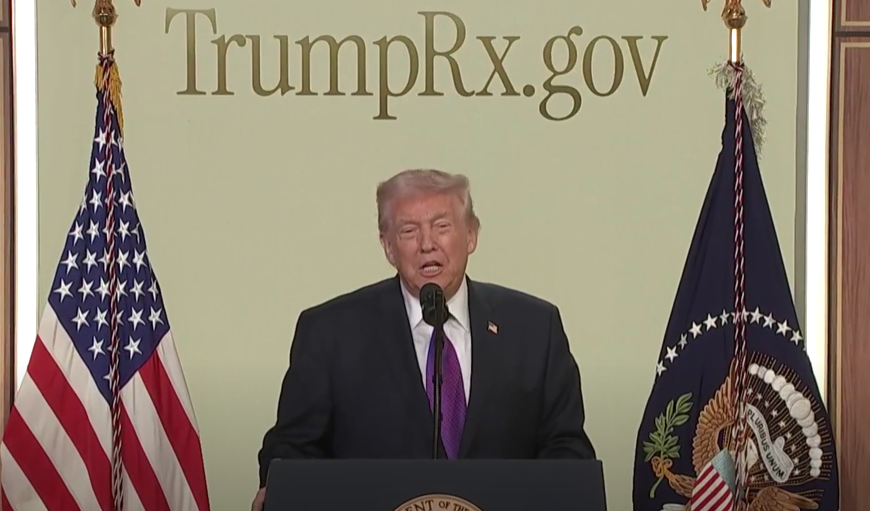
Federal Appeals Court Rules Majority of Trump’s Tariffs Illegal—But They Remain in Effect (for Now)
© United States Senate - Office of Dan Sullivan
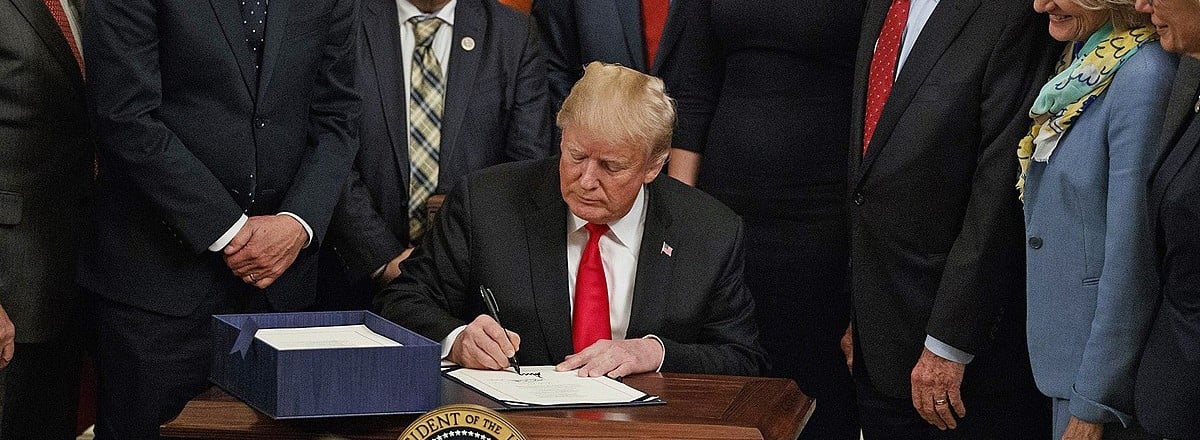
In a watershed legal decision, the U.S. Court of Appeals for the Federal Circuit ruled 7-4 that most of President Trump’s sweeping global tariffs were imposed illegally under the International Emergency Economic Powers Act (IEEPA).
Judges determined that Congress never intended to grant the president the unilateral power to impose broad import taxes under such emergency authority.
Despite the ruling, the tariffs remain in force until October 14 to allow time for the administration to seek further judicial relief—a clear signal that the fight is far from over.
The Legal Battle Unfolds
This decision builds on an earlier ruling from the U.S. Court of International Trade, which found that Trump’s “Liberation Day” tariffs exceeded his statutory authority. Both cases—from states like Oregon and trade groups—challenged the legal basis of the emergency declarations, arguing that they were improperly used to justify economic policy.
The appeals court upheld that reasoning, emphasizing that IEEPA gives the president broad emergency powers—such as sanctioning or freezing assets—but not the authority to levy tariffs, which fall under Congress’s exclusive power to tax.
What Comes Next—Supreme Court, Refunds, and Revenue
With the ruling delayed, focus shifts to the Supreme Court. If upheld, lower courts’ decisions could force the U.S. government to refund billions in tariff revenue collected since their implementation. Analysts warn that this would create substantial challenges for the federal budget.
The case also tees up questions over how future administrations might pursue emergency economic measures without clear Congressional authorization, potentially reshaping the constitutional balance of power in trade policy.
Economic and Political Consequences
The ruling leaves companies and importers in limbo, uncertain whether they should expect reimbursement or push for structured legislative reform. For many U.S. businesses, the tariffs have increased costs—and now the prospect of refunds adds another layer of complexity.
On the political front, the ruling represents a significant blow to Trump’s second-term economic agenda, which leaned heavily on tariffs to pressure trading partners. The administration has condemned the decision, branding it a partisan overstep. Meanwhile, lawmakers are advocating for bills like the Trade Review Act, which would require the president to notify and seek approval from Congress before extending tariffs, aiming to reinforce legislative oversight.
You might also want to read: Is President Trump Preparing to Resign—or Just About to Make Another Curveball Announcement?