Epstein Survivor Reflects on Yearbook Shift: “Don’t Do Anything Stupid” vs. “Let’s Chill”
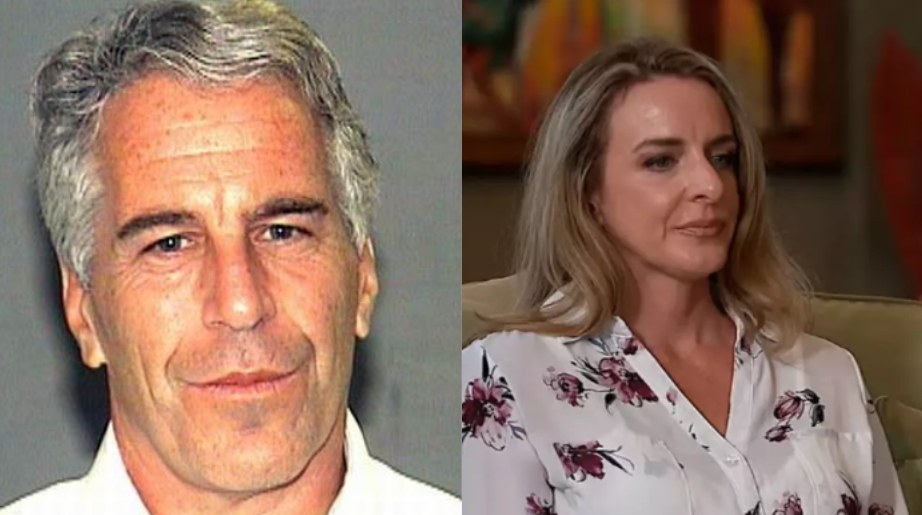
© Public Domain & CNN
For Ashley Rubright, revisiting her high school yearbooks became unexpectedly poignant. Before she met Jeffrey Epstein at age 15, classmates had left warm, typical messages—like “Have a great summer!” or “Let’s chill!” But the very next yearbook turned ominous, with comments such as, “I’m really worried about you,” and “Don’t do anything stupid this summer.” Those stark words revealed that people sensed something deeply amiss—even before Rubright fully recognized it herself.
A Silent Shift Uncovered in Retrospect
Speaking publicly about this realization for the first time during a CNN interview, Rubright reflected on how striking the contrast became in hindsight. “I moved out when I was 17 and then it kind of hit me—wow, that really did impact me back then,” she said. What might have looked like casual concern among teenagers was, in truth, a clear signal of the changes her classmates observed in her demeanor.

The absence of overt trauma coloring those yearbook signatures made the sudden contrast all the more telling—an unspoken alarm bell from friends who saw something she felt compelled to hide.
The fact that her peers’ words captured the silent shift without directly naming it highlights a heartbreaking reality: trauma can be invisible, but its weight often shows through subtle cues that others pick up.
From ‘Before’ to ‘After’—An Invisible Rift
Like many who endure abuse, Rubright describes her life in terms of a sharp before-and-after divide. The first yearbook represents her innocence and typical teenage life, while the second shows how quickly that normalcy dissolved. The comments her classmates left became a mirror, reflecting back the changes she couldn’t yet voice.
Her story illustrates how trauma often reshapes identity and relationships in ways that ripple outward. What for her was silence and confusion, for her peers became concern and warnings scrawled in ink across pages meant for happy memories.
Finding Strength in Collective Testimony
Rubright is not alone in coming forward. She is part of a group of women—whom she calls her “soul sisters”—preparing to speak publicly as Congress considers legislation to release Epstein-related files still held under government seal. Survivors believe the truth must be laid bare, not only for accountability but also to prevent future exploitation.
This collective strength underscores a broader theme: while Epstein’s crimes were horrific, the voices of survivors are rewriting the narrative. They are reclaiming agency by turning painful memories into a push for transparency and justice.
A Movement Toward Transparency and Justice
Rubright’s testimony arrives as a group of survivors—her “soul sisters”—prepare to speak out during a congressional session. Bipartisan members of Congress, including Rep. Thomas Massie and Rep. Ro Khanna, are pushing for legislation to compel the release of all Epstein-related materials detained by Trump-era officials.
Their push reflects broader demands for transparency, healing, and accountability in the face of systemic abuse.
You might also want to read: Trump Hosted “Young Women” Party with Epstein as Sole Guest