Trump Moves to Rebrand Pentagon as “Department of War”
© CC BY 2.0
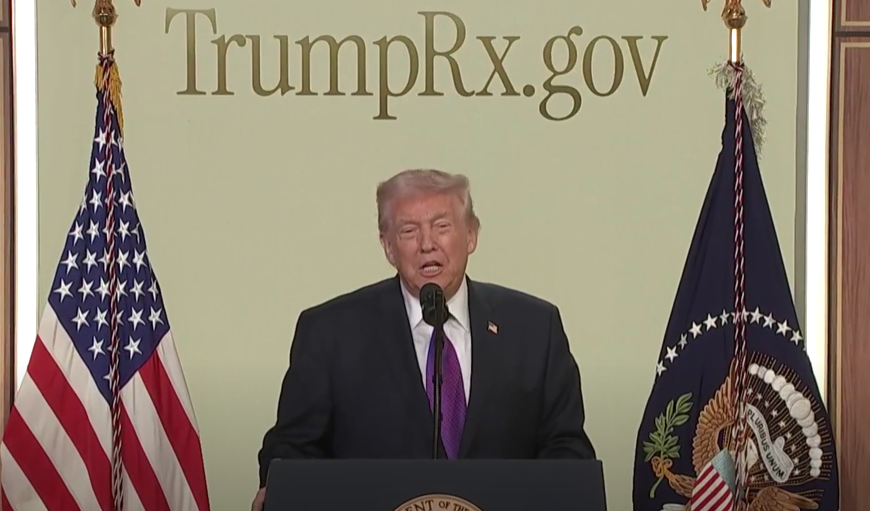
President Donald Trump is set to sign an executive order on September 5, 2025, instructing the U.S. Department of Defense to adopt the name “Department of War” as a secondary title—a symbolic return to its pre-1949 designation.
Officials will be permitted to use titles such as “Secretary of War” and “Deputy Secretary of War,” while Defense Secretary Pete Hegseth is tasked with proposing legislative and policy steps to pursue a permanent renaming.
Reasons Behind the Move
Trump and Hegseth argue that the move is more than semantics—it represents a cultural shift toward a “warrior ethos”, reflecting a more offensive posture that emphasizes strength and assertiveness.
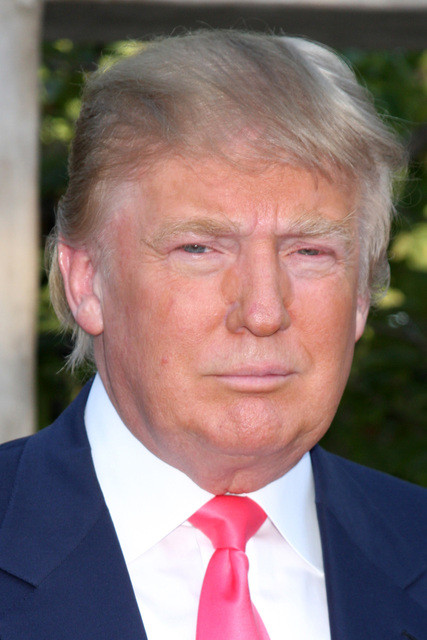
Trump emphasized that “defense is too defensive” and that reviving the historical name resonates with America’s past military victories.
Historical Context
The original Department of War was established in 1789 and served as the U.S. military command until the National Security Act of 1947 restructured the armed services.
In 1949, the consolidated entity was renamed the Department of Defense to reflect a broader mission of deterrence in the nuclear age.
Legal and Practical Implications
Although the President can issue an executive order authorizing the use of secondary titles, a formal name change would require Congressional approval.
The Pentagon would also need to rebrand signage, official websites, and documents—a process that would likely entail significant financial and administrative costs.
Political Reaction and Criticism
Critics warn that the renaming is more political theater than substantive reform. Opponents argue it undervalues diplomatic efforts, misuses taxpayer dollars, and distracts from pressing national security needs. Democratic Senator Tammy Duckworth, for instance, called it both costly and unnecessary. Others view it as a populist attempt to project toughness through branding.

The move also comes amid broader shifts in the Pentagon—from rebranding bases and disposing of DEI materials to restructuring internal culture under Hegseth’s leadership—reinforcing concerns that the name change is part of a larger ideological overhaul.
Why It Matters
Renaming the Department of Defense as the Department of War is a rare and dramatic step with symbolic and practical implications. It raises questions about how language shapes public perception of military policy and whether such shifts enhance or dilute the credibility of national defense.
As lawmakers and the public digest the change, it underscores how political messaging can become enshrined in bureaucracy.
You might also want to read: Trump Dismisses Death Rumors, Says He’s “Never Felt Better”