Why You Can Safely Eat Rare Steak—but Undercooked Chicken Can Make You Sick
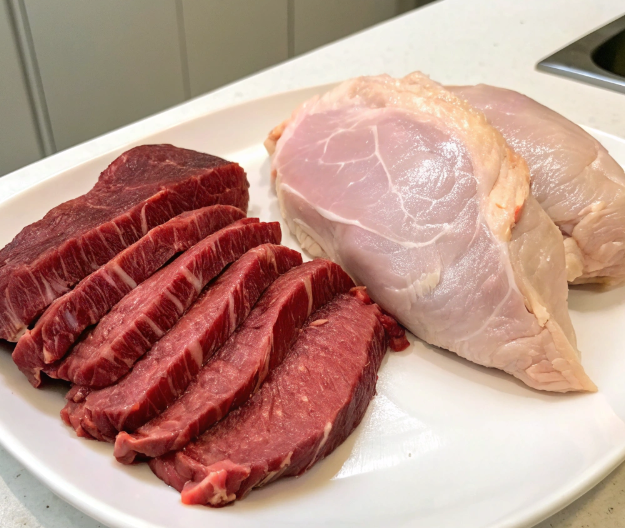
© Generated by Recraft
Many people enjoy a medium-rare steak, savoring its flavor and tenderness. Yet, undercooked chicken is universally discouraged. The core reason lies in where dangerous bacteria reside within the meat.
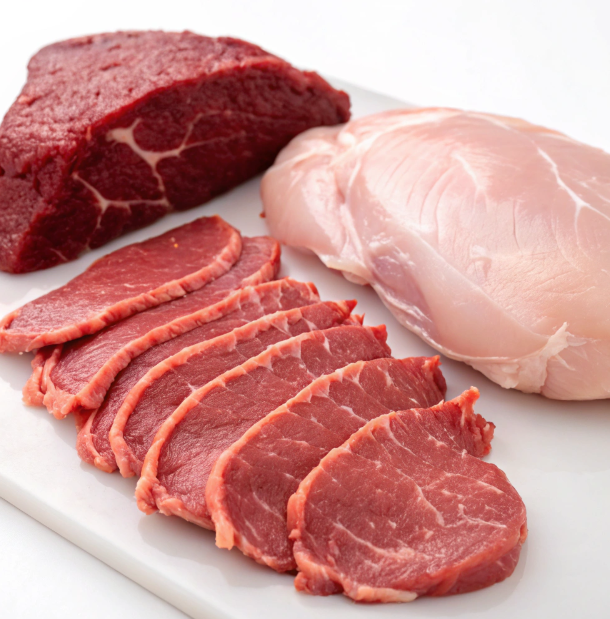
Steak is a whole muscle cut, so bacterial contamination is usually only on the outer surface—meaning a quick sear effectively kills what’s harmful. In contrast, chicken is porous and less dense, allowing bacteria like Salmonella, Campylobacter, and Clostridium perfringens to penetrate deeper. As a result, only cooking chicken all the way through ensures it’s safe to eat.”)
The Real Risk: Food Poisoning
Undercooked chicken is a major vector for foodborne illness. In the U.S., the CDC estimates that around 1 million people fall ill each year due to contaminated poultry.
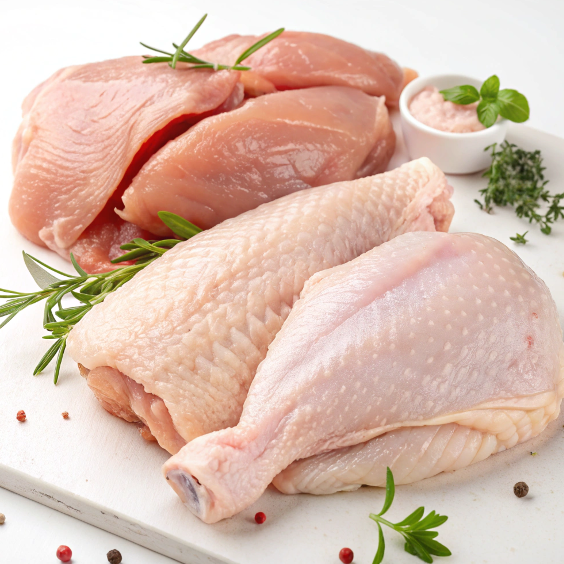
Symptoms range from diarrhea, fever, and stomach cramps to more severe outcomes requiring hospitalization. A single box of chicken in the fridge may harbor Salmonella, making proper cooking and handling essential.
Why Bacteria Go Deep in Chicken
Chicken’s structure allows bacteria to spread beyond the surface. Even a pink or juicy center can contain germs.
That’s why the CDC recommends cooking chicken to an internal temperature of 165 °F (74 °C)—meat thermometers are the only reliable way to check, as color alone isn’t enough.
Broader Food Safety: Tips from Experts
Preventing foodborne illness involves more than cooking technique—it starts with how you handle raw poultry:
- Store chicken on the bottom shelf of your fridge to prevent drips into other foods.
- Wash your hands for at least 20 seconds after handling raw meat and clean surfaces thoroughly.
- Use separate cutting boards for raw meats and ready-to-eat items.
- Avoid washing raw chicken—doing so can spread bacteria through your sink and countertops.
Not Just Chicken: Know the Microbial Threat Zone
A wider safety principle applies to many foods—it’s called the “danger zone”, a temperature range of approximately 40–140 °F (4–60 °C). In this range, bacteria thrive. Leftovers should be refrigerated within two hours and reheated to at least 165 °F.
Many pathogens—not just from chicken—can grow rapidly if foods are stored improperly.
Up to 10% of food poisoning cases result from Clostridium perfringens, which can form spores in large batches of meat kept at unsafe temperatures.
Why Rare Beef Works—but Chicken Doesn’t
In summary:
- Beef steaks: Whole muscle cuts. Bacterial contamination stays on the surface and is eliminated with quick searing—internal juices can remain pink and safe.
- Chicken: Permeable meat where bacteria can live below the crust. Only full, even cooking ensures safety.
When it comes to flavor versus safety, rare steak may be fine—undercooked chicken is not.
You might also want to read: Human DNA Found in Hot Dogs, Study Finds