Russia Dismisses Trump’s Sanctions Threat as ‘Absolutely Useless’
© Global News / YouTube
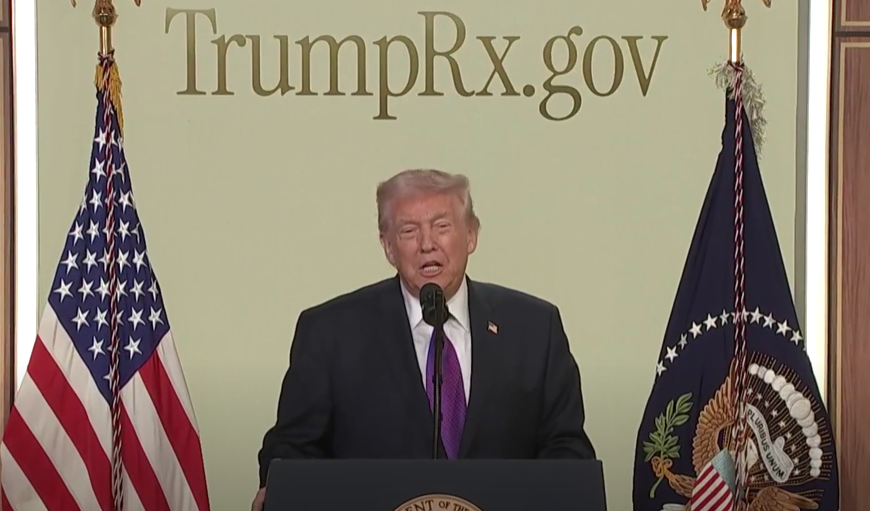
President Donald Trump has issued a stern warning to Russia, threatening a “second phase” of sanctions targeting Moscow’s energy sector and other strategic interests.
These measures are a response to Russia’s ongoing missile and drone attacks in Ukraine, and are intended to pressure President Vladimir Putin into negotiating peace. Trump has indicated that tariffs on Russian oil imports and secondary sanctions on nations buying Russian energy are under consideration.
What Is Going on Between Russia and the U.S.?
The U.S. has already imposed tariffs on Russian oil from certain countries, such as India, and is exploring expanding these measures to additional nations to curb Russia’s energy revenue. The administration views these sanctions as a tool to weaken Russia economically while incentivizing cooperation in international diplomacy.
Meanwhile, Ukraine is encouraging European nations to reduce dependency on Russian oil and turn to American energy supplies, offering logistical support such as storage solutions to facilitate this transition.
Kremlin Responds in the name of Russia
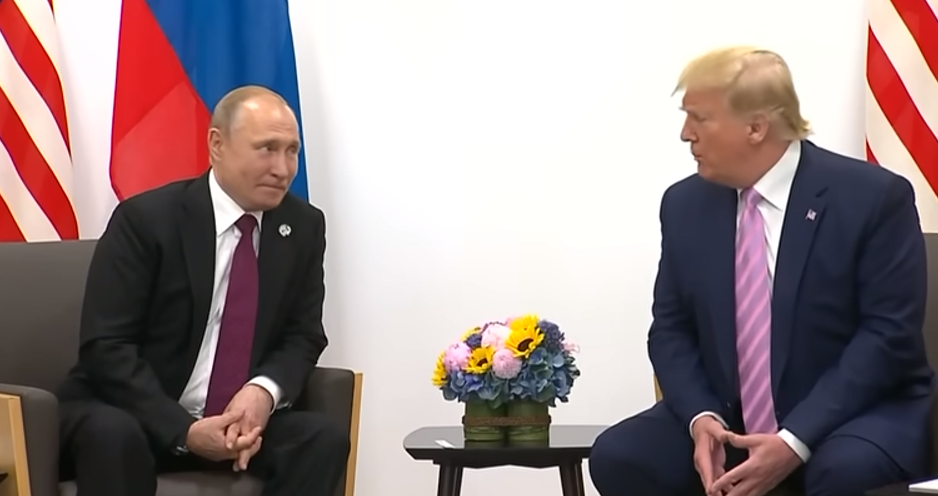
Russia’s government has publicly dismissed Trump’s threats as “absolutely useless.” Kremlin spokesperson Dmitry Peskov stated that Western sanctions have little to no impact on Russia and that Moscow is prepared to pursue its objectives through political and military means. He emphasized that the sanctions are largely pushed by Kyiv and some European nations rather than serving as an effective deterrent.
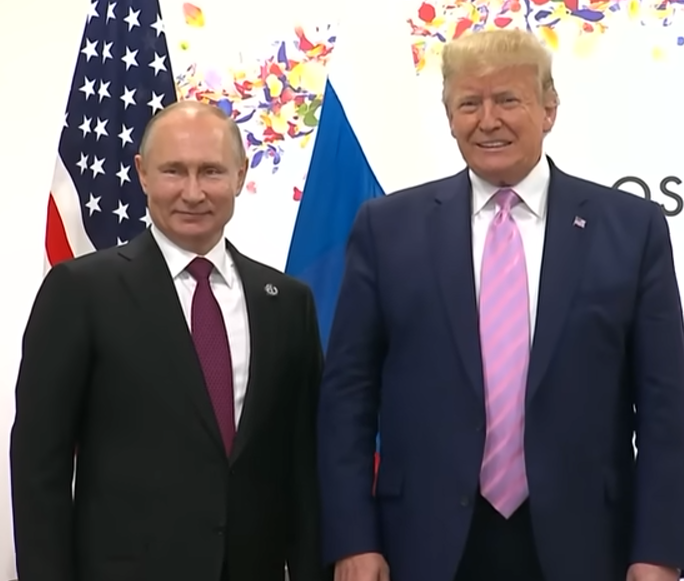
The Russian response underscores the country’s confidence in its resilience to economic pressure, including ongoing energy exports and alternative trade partnerships outside Western influence. Moscow also criticized the U.S. approach as overly aggressive and unlikely to produce the intended diplomatic outcomes, highlighting a widening gap between Western expectations and Russia’s strategic priorities.
Potential Economic Implications for Russia and Trump
Should the sanctions proceed, they could have far-reaching consequences for the global energy market. Imposing tariffs on Russian oil imports may increase energy prices worldwide and prompt shifts in trade flows. Nations currently reliant on Russian energy may need to secure alternative sources quickly, potentially increasing demand for U.S. oil and liquefied natural gas.
European leaders are weighing the economic and political ramifications of following U.S. guidance. While supporting Ukraine is a priority, member states are mindful of energy security, inflation, and public response. The alignment between the U.S. and Europe is crucial for the sanctions to have a meaningful impact on Russia’s economy.
Next Steps
U.S. and European officials are scheduled to continue discussions regarding additional sanctions and economic measures against Russia. The focus will be on achieving a coordinated transatlantic approach to maximize pressure on Moscow while mitigating adverse effects on allies. Trump has indicated that he will proceed with sanctions as long as European nations participate fully in the plan.
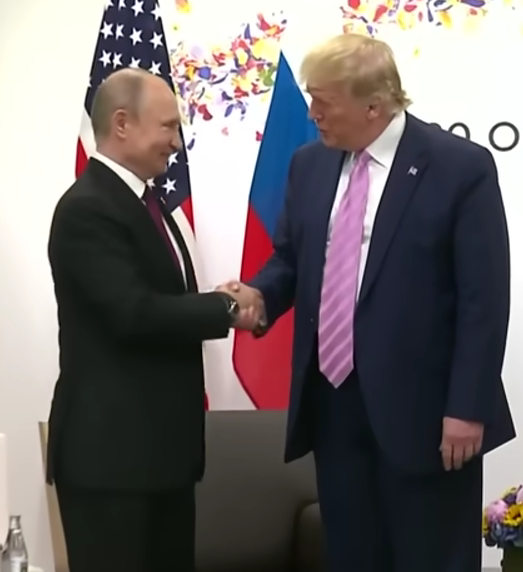
Analysts note that even with broad implementation, Russia’s economy has shown resilience in the face of previous sanctions, including the 2022‑2024 measures imposed after the Ukraine invasion. This raises questions about the efficacy of punitive measures and whether alternative diplomatic approaches may yield better results in the long term.
You might also want to read: Trump Turns “Heaven” Into a Fundraising Theme in Baffling $15 Blitz