Obama Speaks Out After Charlie Kirk’s Assasination
© Center for American Progress Action Fund
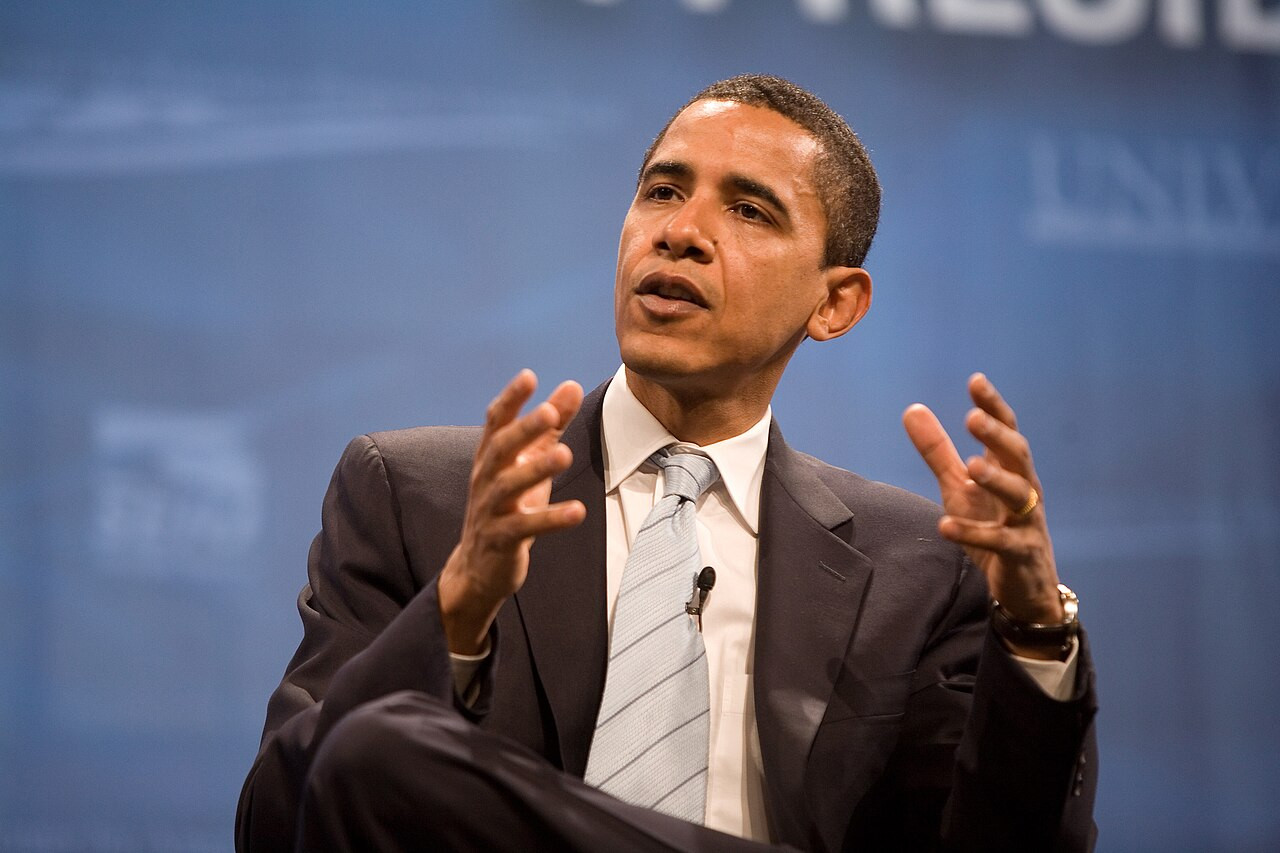
Former President Barack Obama addressed the nation on September 17, 2025, speaking at the Jefferson Educational Society in Erie, Pennsylvania. His comments came in the wake of the lethal shooting of Charlie Kirk and other recent politically-motivated attacks — including the killing of Minnesota State Rep.
Melissa Hortman and her husband. Obama described the U.S. as being at an “inflection point,” expressing deep concern about rising political violence and warning that the country faces serious risks if democratic norms continue to erode.
Condemnation of Violence & Mourning
He called the murder of Charlie Kirk “horrific” and “a tragedy,” saying that such violence is not acceptable in a democracy. He emphasized that disagreement—even heated, ideological disagreement—is part of democratic life, but that it must never escalate into physical violence.

Obama said moral clarity is needed: denouncing political violence must be universal, not conditional on whether one agrees with the victim’s views. He added that despite disagreeing with many of Kirk’s positions, Kirk’s death was nonetheless a tragedy, and he mourns for Kirk’s family.
Criticism of Rhetoric & Political Division
Obama expressed concern about the role of divisive political rhetoric in escalating tensions. He criticized language used by political leaders — including terms like “vermin,” “enemies,” or “targeted” — that frame the political opposition in dehumanizing or threatening ways.
He warned against prematurely blaming an “enemy” or using tragedy to silence debate. He said that when people in authority use inflammatory language before facts are known, it undermines trust and inflames division.
Examples of Leadership and Norms
He praised Utah Governor Spencer Cox (a Republican) for his response to Kirk’s death—Cox’s approach demonstrated that it is possible to disagree strongly while maintaining civility in public discourse. Obama also made comparisons with past presidents—George W. Bush, John McCain, Mitt Romney—saying that in moments of crisis, their responses emphasized unity and a sense of shared national purpose.
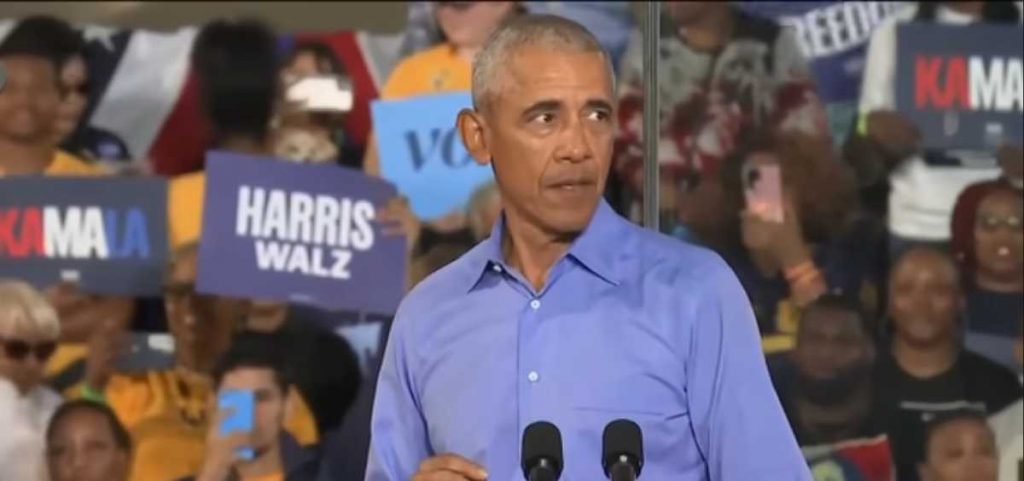
He suggested that leaders today have a responsibility to remand to norms, to remind citizens of what holds them together instead of what divides them.
Warnings & Bigger Picture
Obama warned that some recent executive actions—such as heightened law enforcement powers, federal ID checks, or deployment of the National Guard—along with rhetoric about “radical” political enemies, risk normalizing an environment where political extremes gain legitimacy.
He emphasized that democratic institutions and norms rely on citizens and leaders resisting rhetoric that degrades others, even when there is deep disagreement. And he said that mourning violence does not require agreement with the victim’s ideas; the central issue is the fact of violence itself and what it means for a society.
You might also want to read: Donald Trump Recalls Final Call From Charlie Kirk