China’s Public Toilets Now Make You Watch Ads for Toilet Paper
© Generated by Recraft
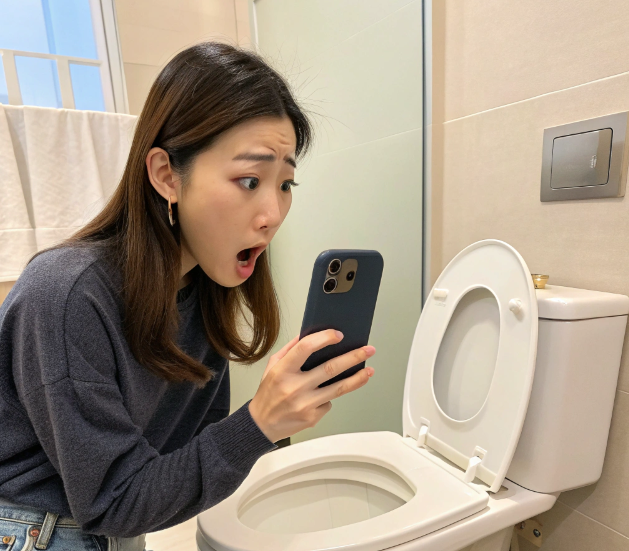
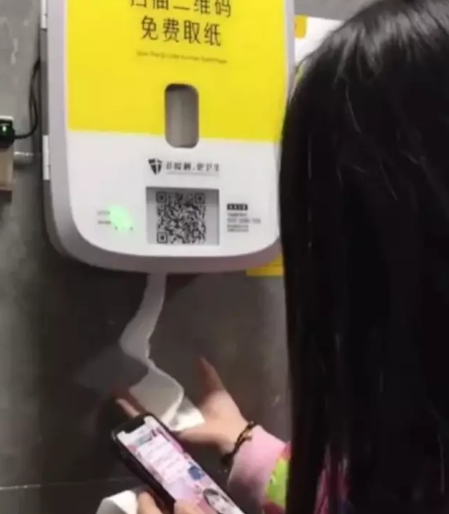
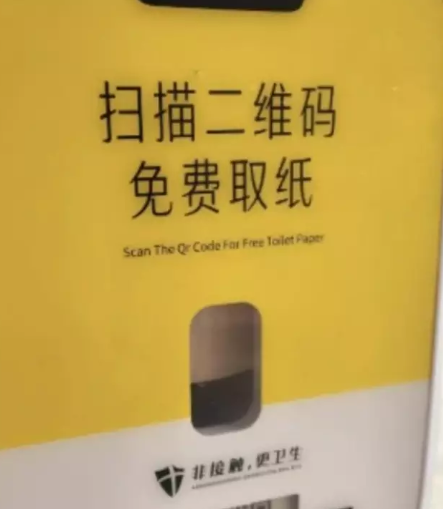
Some public restrooms in China have introduced a system that requires users to watch advertisements in order to get a few squares of toilet paper. The setup involves scanning a QR code on the dispenser, which then plays a short commercial. After the ad finishes, the dispenser releases a limited amount of toilet paper.
If you prefer not to watch the ad, there’s an option to pay about 0.5 yuan (roughly a few US cents) to bypass the ad-watch requirement.
Authorities reportedly introduced the system to cut down on waste, to prevent people from taking more toilet paper than necessary.
Backlash & Criticism
The move has generated strong negative reactions online. Many people are calling the ad requirement “dystopian,” saying that something as basic as toilet paper shouldn’t come with conditions like watching ads.
Critics point out practical issues: what if someone’s phone is out of battery, or they lack internet access, or simply can’t afford the fee? In those cases, they might be denied paper in urgent situations.
Some also see this as just another example of commercializing every part of daily life. The idea that even in a toilet, you might be forced to consume advertising to get necessities strikes many as overreach.
Comparisons & Context
This isn’t the first time China has tried unusual methods tied to public amenities, public behaviour, and surveillance. For example, in earlier years, some public toilet paper dispensers at parks had facial recognition to limit reuse.
The current system is also being likened to social-credit or dystopian fiction (“Black Mirror” has been cited by some online commentators) because of how it combines surveillance technology, payment or compensation, and restriction of basic services.
What Remains Unclear
- How widespread is the ad-pay/watching requirement across cities in China? It appears in some restrooms, but it’s unknown how many.
- Details of what ads are shown, how long they last, and how much toilet paper is dispensed afterward.
- How authorities plan to deal with people who cannot watch ads (phone issues, disabilities, etc.).
- Data on whether this system actually reduces waste or whether it causes other problems (e.g., people avoiding restrooms, hygiene risk).
You might also want to read: Meet Chen Si—Man Who Stopped 469 People from Jumping Off Nanjing’s Suicide Bridge