Kamala Harris Reveals She Wanted Buttigieg as 2024 Running Mate
© Public Domain
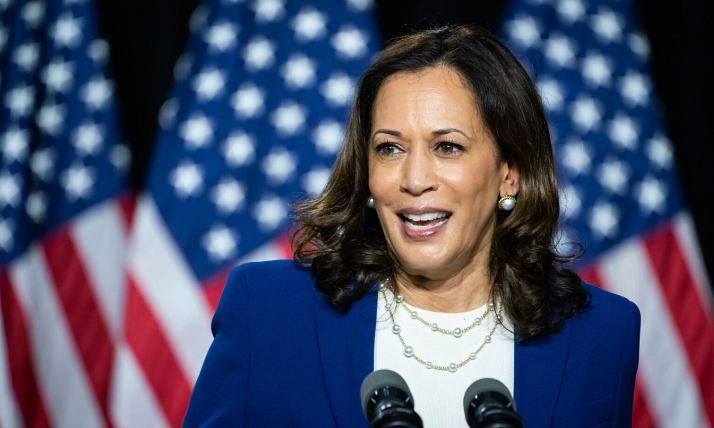
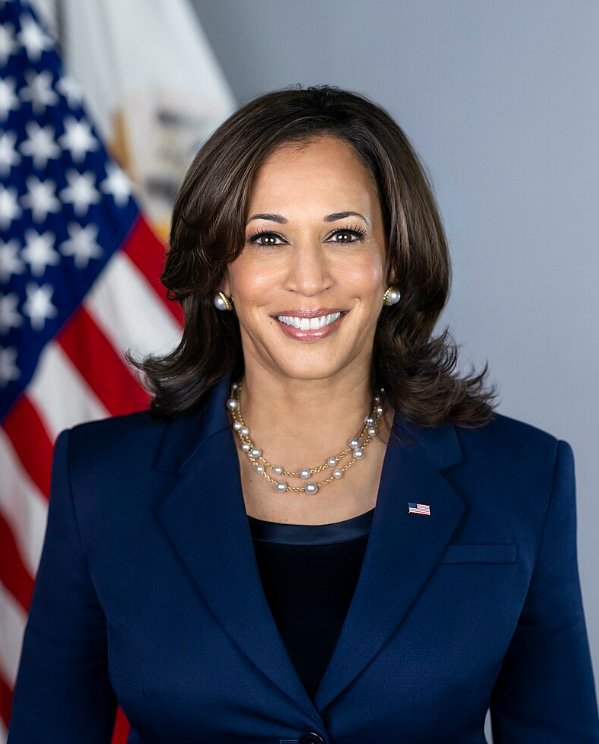
Kamala Harris, in her forthcoming memoir 107 Days, says that during the lead-up to the 2024 Democratic ticket decisions, her first choice for vice president was actually Pete Buttigieg. Buttigieg, a former presidential candidate and Transportation Secretary, was admired by Harris, but she ultimately decided against choosing him. The reason? She believed that having a ticket with a Black woman (Harris herself) and a gay man (Buttigieg) would be seen by many voters as “too big a risk.”
Harris writes that Buttigieg would have been “an ideal partner — if I were a straight white man.” But recognizing how much of an ask it would be for the electorate, given her identity (Black, woman, married to a Jewish man), she opted instead for Minnesota Governor Tim Walz as her running mate.
Why Kamala Harris Felt It Was Risky
Harris reflects that the political calculation was complicated: voters’ attitudes, identity politics, media framing, and the stakes of the election all played roles. She said that she thought the public might not be ready for what would have been a break from conventional expectations. Even though she expressed admiration and affection for Buttigieg, she felt the risk of backlash or negative framing was too high.
She also seems to carry a degree of regret: she wonders whether being overly cautious in that decision might have cost her campaign some energy or momentum. She writes that she “maybe was being too cautious.”
Buttigieg’s Reaction
Pete Buttigieg has commented publicly in response to the book excerpts. While he didn’t seem deeply offended, he expressed surprise at how Harris described the decision-making. He emphasized that identity should matter less than policy and what people believe you can do for them.
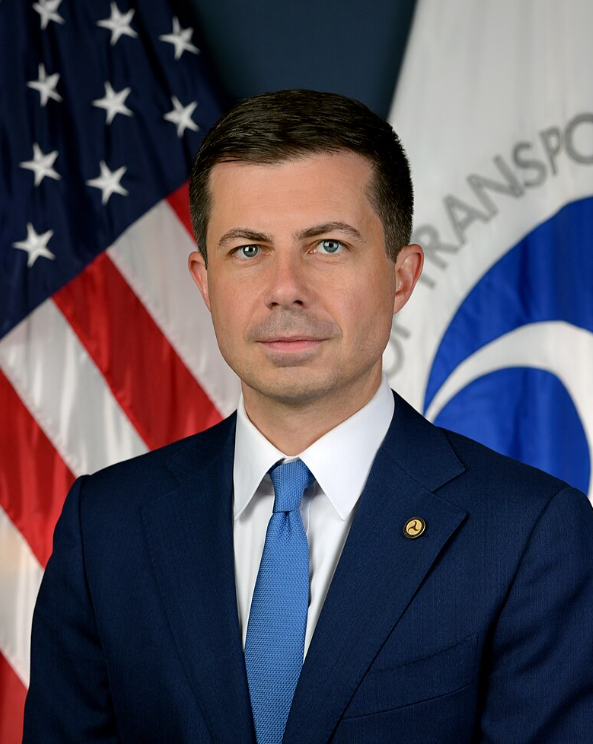
Buttigieg said that “politics is about the results we can get for people, and not about these other things.” He seemed to push back on the idea that a ticket’s identity (gender/race/sexual orientation) should be a limiting factor.
Trump’s Role: Political Oversight & Fallout
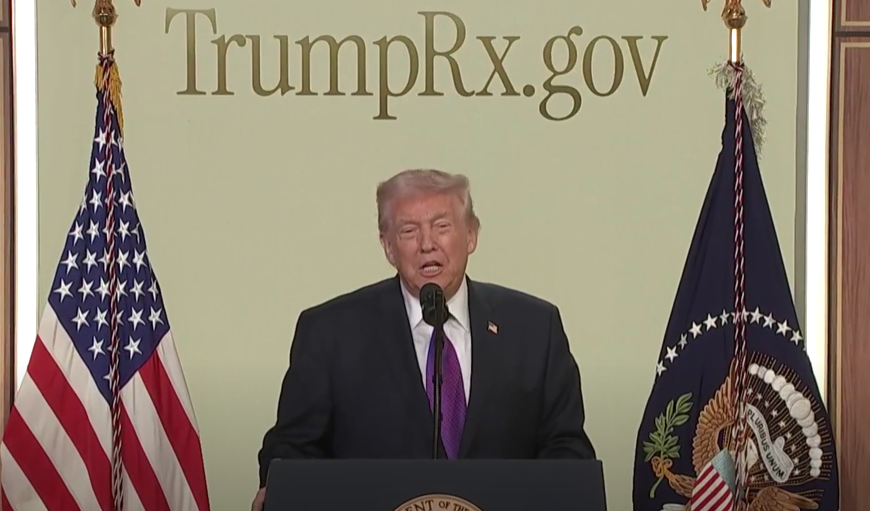
Donald Trump isn’t directly part of this particular book-revelation, but his candidacy and the landscape of the 2024 election loom large. Under Trump’s strong base and partisan polarization, some Democrats (Harris included) felt that being perceived as too progressive in terms of identity might give Trump more fodder for attack ads, memes, or negative framing.
In this sense, the decision not to run with Buttigieg is partly shaped by concern over how their identities could be used against them. While Trump hasn’t directly commented on this excerpt, the broader election dynamic (including voter attitudes, media attacks, etc.) forms the backdrop.
Why This Feud / Tension Resonates
- Identity vs Electability: The story surfaces a common tension in U.S. politics: to what extent identity (race, gender, sexual orientation) helps or hurts a campaign. Harris’s reflection suggests she believes identity can impose costs, especially under media/party pressure.
- Authenticity and regret: Harris’s openness about choosing caution (and possibly regretting it) adds a layer of vulnerability. That kind of self-critique is somewhat rare in high-stakes political memoirs.
- Buttigieg as a figure: He becomes a test case for how identity can influence election outcomes and party decision-making.
- How this shapes future elections: With speculation about 2028 underway, Harris’s and Buttigieg’s interactions, decisions, and how they deal with identity might inform how Democratic tickets are constructed, and how candidates weigh identity vs. what voters might accept.
You might also want to read: Kamala Harris’ Eerie Trump Warnings Resurface, Spark Debate