Mirena Baby: Mom Gives Birth Even Though IUD Was Still in Place
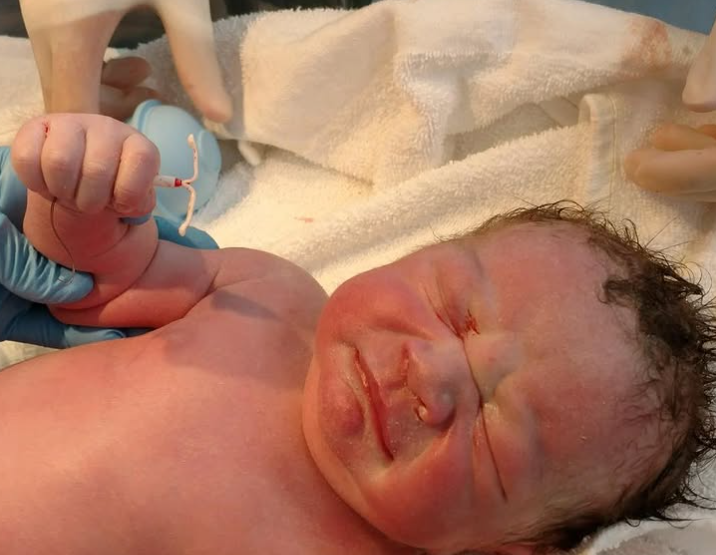
© curlykittycrochet / Instagram
A woman named Lucy Hellein recently made headlines when she gave birth to her son, Dexter, despite having a Mirena intrauterine device (IUD) in place. The IUD was discovered behind her placenta—still intact—when she delivered. She’s calling her child a “Mirena baby.”
Dexter was born on April 27 in Fort Benning, Georgia; he weighed 9 lbs 1 oz. Lucy says she found out about the pregnancy in December. By that point, she was already about 18 weeks along.
How the IUD Didn’t Prevent Pregnancy
The Mirena—like other hormonal IUDs—is one of the most effective reversible forms of birth control, with fewer than 1 in 100 women becoming pregnant within the first year of using it. But no method is 100% foolproof.
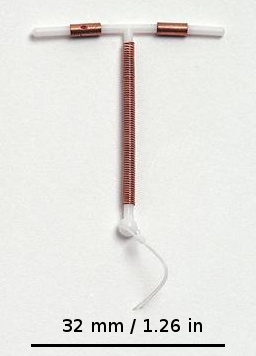
In Lucy’s case, it’s believed either:
- The pregnancy occurred very shortly after the IUD was inserted (before it was fully effective), or
- The IUD had become displaced or was positioned in a way that lowered its effectiveness.
Ultrasound examinations did not initially reveal the device. It was only found behind the placenta after delivery via C-section.
What Medical Experts Say About the Baby
- Pregnancy with an IUD in place is rare but documented.
- Risks can be higher for both mother and baby in pregnancies that occur despite an IUD, especially if the IUD is retained during pregnancy. These may include infection, preterm delivery, or complications from removal.
- Obstetric care in such cases often includes close monitoring and sometimes decisions about whether to remove the IUD, depending on how it’s positioned and whether doing so poses risk. In Lucy’s case, though, the IUD wasn’t removed until delivery.
Emotional & Social Reactions
Lucy’s story has resonated with many, both because of the wonder of a healthy baby and the surprise given the contraceptive device’s presence. She posted a photo of Dexter holding the IUD in his hand after birth, which many found symbolic — some joking, others marveling at how rare it is.

She described the experience as a “HUGE surprise,” especially given that she already had three children and had used Mirena IUDs before, which had worked well in her past pregnancies.
Why It Matters & Key Takeaways
- Even very effective birth control methods like IUDs can fail. The risk is low, but not zero.
- When pregnancy occurs despite an IUD, careful prenatal care is crucial. Medical monitoring is often needed to check for complications.
- Stories like this highlight gaps in awareness—many may not realize that contraceptive failure can happen, or that symptoms of pregnancy might be subtle.
- They also spark conversation about how women make decisions around contraception and pregnancy, and how medical providers handle unexpected IUD pregnancies.
You might also want to read: Colombian Parents Name Daughter “Chat Yipiti” as a Nod to ChatGPT