German Green MP Makes History Speaking at Bundestag Lectern with Her Baby

Archive Keystone
Hanna Steinmüller, a 32-year-old member of the German Green Party, delivered a speech at the Bundestag on the budget of the Ministry of Construction while carrying her baby in a baby carrier. According to the parliament’s own Instagram post, it was the first time in history that an MP stood at the main lectern of the Bundestag with a child. The child appeared calm, sleeping through the speech.
Steinmüller, who announced the birth of her baby at the end of December of the previous year, has previously brought her child to plenary sessions. But this was the first time at the lectern, making it a symbolic milestone.
Reactions & Commentary
Parliament President Julia Klöckner (CDU) praised the moment, calling it brilliantly handled, pointing to the balancing act between motherhood and political responsibility. She suggested that such gestures make it clear that “babies in the plenary chamber under certain circumstances” are something that should be workable.
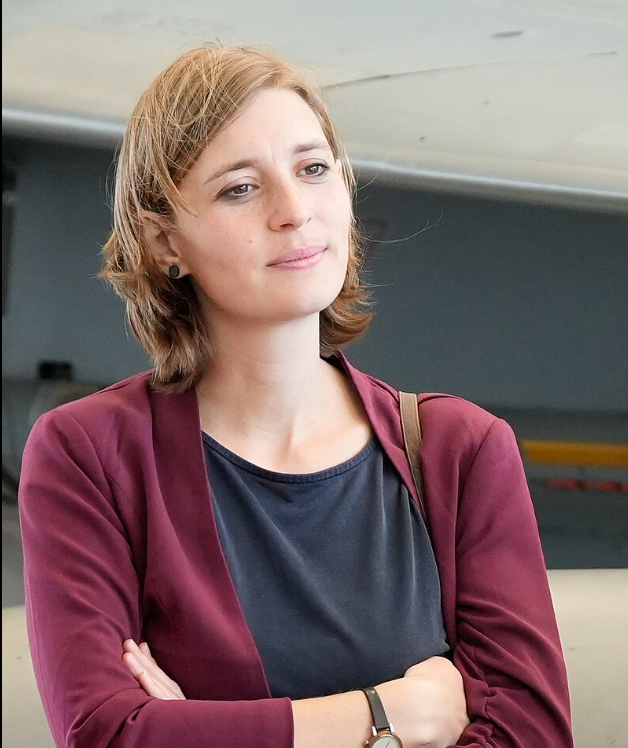
Steinmüller herself called it a “wild day” in an Instagram story, indicating that while there was preparation, such instances also come with spontaneous and emotional weight. She suggested that more conversations are needed about accessibility and compatibility—how being a parent can align with the demands of political office.
Why It’s Significant
- Gender & representation: This moment represents a step forward in normalizing parenthood within high-office contexts, especially for women and mothers in politics. It challenges longstanding norms that political leadership and child-rearing must be kept separate.
- Institutional flexibility: The Bundestag’s allowing this moment suggests there is room in parliamentary rules or norms for more inclusive practice, making politics more accessible to those with caregiving responsibilities.
- Public visibility: Seeing a baby at the lectern is a powerful symbol—it humanizes politicians, potentially inspiring more parents (especially mothers) to run for office, but also raising questions about what support and changes might still be needed for them.
What Remains Unclear
- Whether this event will lead to any formal changes in Bundestag rules or provisions (e.g., childcare facilities, parental leave, ability to bring children to sessions) beyond informal norms.
- How widespread is support among other MPs for institutionalizing such inclusiveness? Will it remain an exceptional event or become more common?
- Whether there will be debates or resistance from more conservative quarters over decorum, tradition, or perceived professionalism.
You might also want to read: UN Chief: “Pillars of Peace Are Buckling” as Gaza Crisis Deepens