Trump Moved “Most Lethal Weapon Ever Made” Near Russia
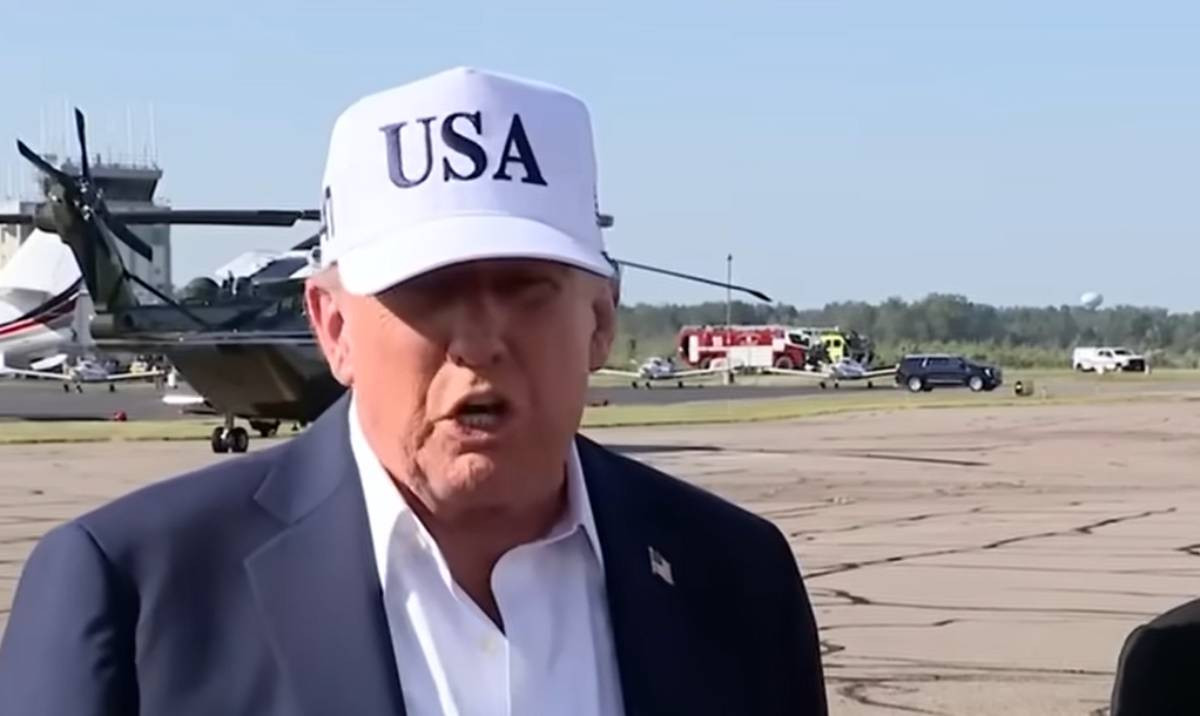
© FOX 29 Philadelphia / YouTube
On September 30, Donald Trump made a bold declaration: he said he had repositioned a nuclear submarine—what he called “the most lethal weapon ever made”—closer to Russia.
He argued the move was a response to perceived threats from Moscow, stating that “we were a little bit threatened by Russia recently, and I sent a submarine, nuclear submarine, the most lethal weapon ever made.” According to Trump, the submarine is stealthy and undetectable, putting the U.S. “25 years ahead of Russia and China in submarines.”
He also boasted of America’s lead in nuclear capabilities, saying: “If it does get to use, we have more than anybody else. We have better, we have newer … but it’s something we don’t ever want to even have to think about.” At the same time, he cautioned against using the word “nuclear” too flippantly, quipping that it’s like an “N-word” and should be used carefully.
Context & Earlier Moves
This isn’t the first time Trump has threatened or implied shifts in nuclear posture with Russia. Earlier reports indicated he had ordered submarines to be moved to “appropriate regions” following comments from former Russian Prime Minister Dmitry Medvedev about Russia’s retaliatory capabilities (often referred to as the “dead hand”).
His remarks come amid ongoing tensions between NATO and Russia, especially in light of alleged airspace violations and increased drone activity from Russia over European territories.
Why It Matters
Strategic Messaging & Deterrence
By publicly claiming to move a nuclear submarine near Russia, Trump is extending a message of deterrence: showing that the U.S. is ready to respond and has capabilities that are hard to counter. Whether the submarine move is true or more rhetorical, it is part of signaling in a high-stakes geopolitical game.
Escalation Risk
Such statements raise the stakes. When leaders talk about deploying nuclear weapons or weapons of mass destruction, it can stoke fear, tension, and miscalculation—especially if opposing forces interpret moves as preparations for conflict.
Credibility & Verifiability
Trump’s claim must be taken carefully. The public does not have independent confirmation of submarine movements. Nations often cloak actual deployments in secrecy. Whether this was a real maneuver or political posturing is unclear.
Political Messaging at Home
Domestically, Trump’s remarks also play to audiences that value strong military posturing. By claiming supremacy in weapons and readiness, he reinforces a narrative of U.S. strength and technological edge over rival powers.
What to Watch Next
- Verifications from defense or intelligence agencies: Will U.S. or NATO sources confirm that a submarine was moved?
- Reaction from Russia: How will Moscow respond—diplomatically, militarily, or rhetorically?
- Public & media scrutiny: Analysts and journalists will dissect whether this is bellicose rhetoric or an actual military shift.
- Policy actions: Will this rhetoric be followed by more military deployments, nuclear reviews, or defense posture changes?
Conclusion
Donald Trump’s latest statement about moving “the most lethal weapon ever made” nearer to Russia is a high-stakes mixture of military posturing and political messaging.
Whether or not the move was real, it underscores the current tension between nuclear deterrence and escalation in U.S.-Russia relations. As the world watches, confirmation, counterstatements, and reactions will help reveal just how serious this claim truly is.
You might also want to read: Trump Demands Arrests Over ‘Sabotage’ at UN After Escalator