Woman Who Hated Showering Turns It Into Viral Challenge
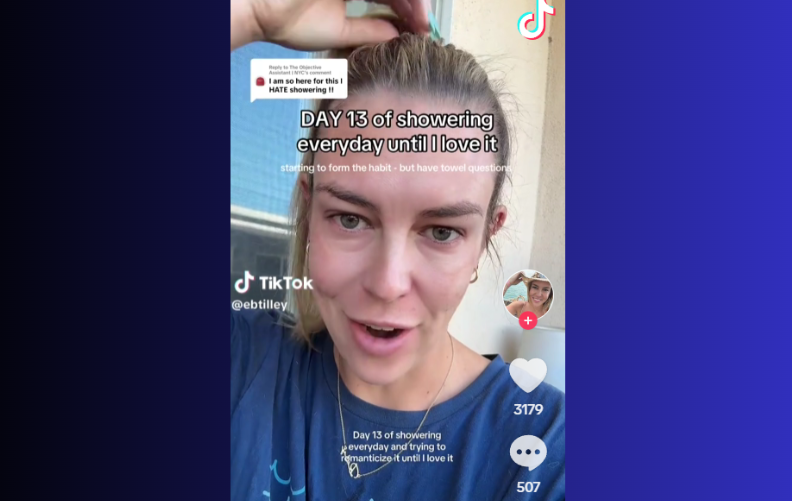
© ebtilley / TikTok
For 37-year-old Eve Tilley-Coulson, showering was never a normal part of life. Growing up in a household where it wasn’t enforced, and later feeling sensory discomfort with the wet-dry cycle, she developed a deep aversion to showers.
The habit persisted into adulthood, until a trip to Nashville two years ago made her question the norm: while her friend bathed multiple times a day, Eve hadn’t showered in days. That contrast prompted her to examine her own routine and, ultimately, share her story publicly.
Though she’d always avoided showers—even while playing competitive soccer—Eve admitted that she delayed them when fatigued or if she didn’t feel a strong need. She says showering felt like a futile ritual: “That weird half-dry, half-wet feeling … I hate it.”
Going Public & Building Community
After posting about her routine on TikTok, Eve’s video went viral. She began receiving messages from people who felt exactly the same—but were too ashamed to share. Many admitted they never thought about why they avoided showers, but felt validated by her honesty. Eve also received criticism and negative comments.
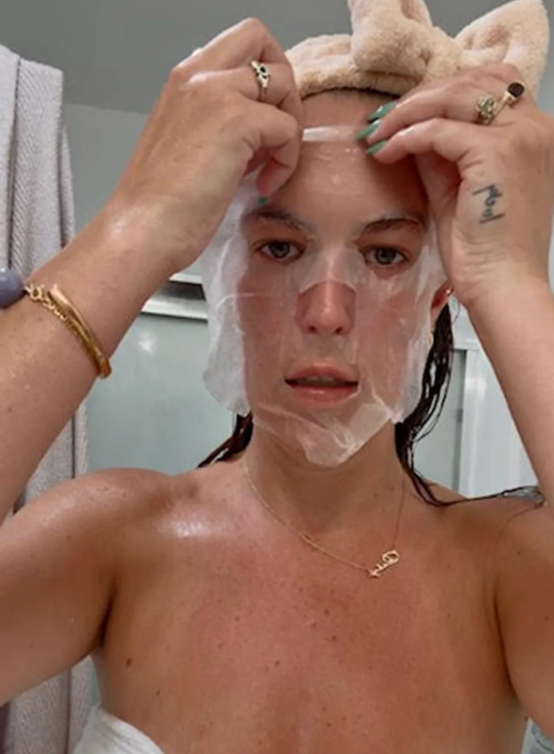
In response to both praise and backlash, she decided to start a 30-day “showering challenge”—a personal experiment to reframe showers from a chore into a small act of self-care. She introduced changes to make the experience more tolerable: a towel warmer, playing music to override silence, and viewing the time in the shower as a moment of intention.
Interestingly, by the ninth day, she noticed a shift. She began to miss the sensation, and skipping a shower felt more off than continuing. Eve says it made her realize how ingrained habits reshape what feels “normal.”
The Deeper Layers: Mental Health & Worthiness
Eve’s hesitance to shower wasn’t solely sensory—it was also tied to emotional and psychological elements. She admits that depression, anxiety, and possible OCD traits informed her feelings toward self-care rituals. In her words, not showering sometimes felt like “hiding from the world.”
She describes the silence of a shower as a mental trap for her: being alone with thoughts can become triggering. Transforming the act into something she wanted to do—rather than something to avoid—was a form of showing up for herself.
She also reflected on how her body “normalized” low hygiene. After days without a shower, she didn’t feel dirty—until she changed the habit and realized skipping one was uncomfortable.
Broader Reactions & Takeaways
Her viral story struck a chord. Plenty of people messaged her: “I’m exactly like you.” Eve says many never voiced these habits out of fear of being judged.
Some critics accused her of neglecting basic hygiene and broadcasting poor habits. But Eve pushes back: this isn’t about glorifying uncleanliness—it’s about unpacking what self-care means and how mental health and personal pressures influence even daily acts like showering.
Her challenge also raises larger questions: how much of what we think is “normal hygiene” is socially enforced rather than individually sustainable? When does self-care become a burden? And how many hide their true habits due to shame?
Conclusion
Eve Tilley-Coulson’s journey—from longtime shower avoider to public challenge participant—reveals how something seemingly mundane can carry weight. Her experiment is not just about water and soap; it’s about belief, identity, and reclaiming small rituals.
By inviting conversation and vulnerability, Eve encourages others to examine their own habits and the judgments tied to them. Whether her 30-day experiment ends in daily showers or selective routines, she’s already transformed how many see the simple act of washing.
You might also want to read: TikTok Challenges Leave Teen Dead & Young Woman with Head Injury