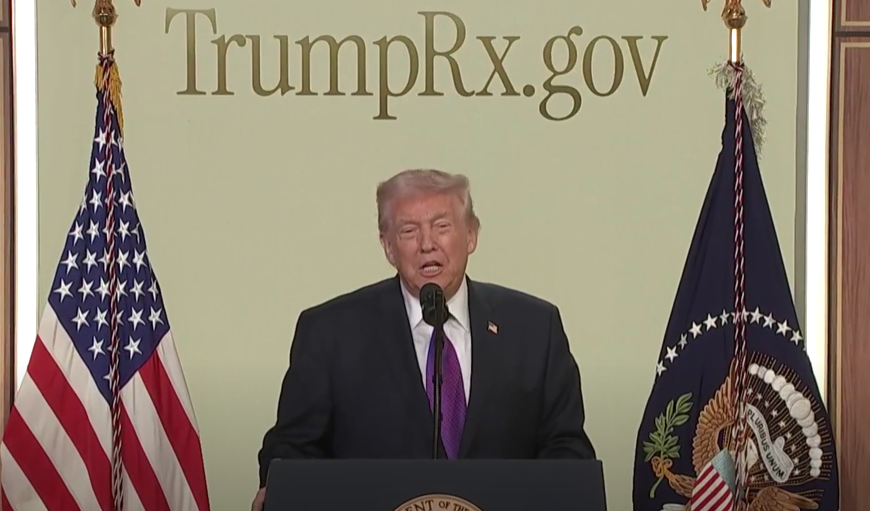
Russia’s Nuclear Warning: “Test If You Must, We’ll Respond”
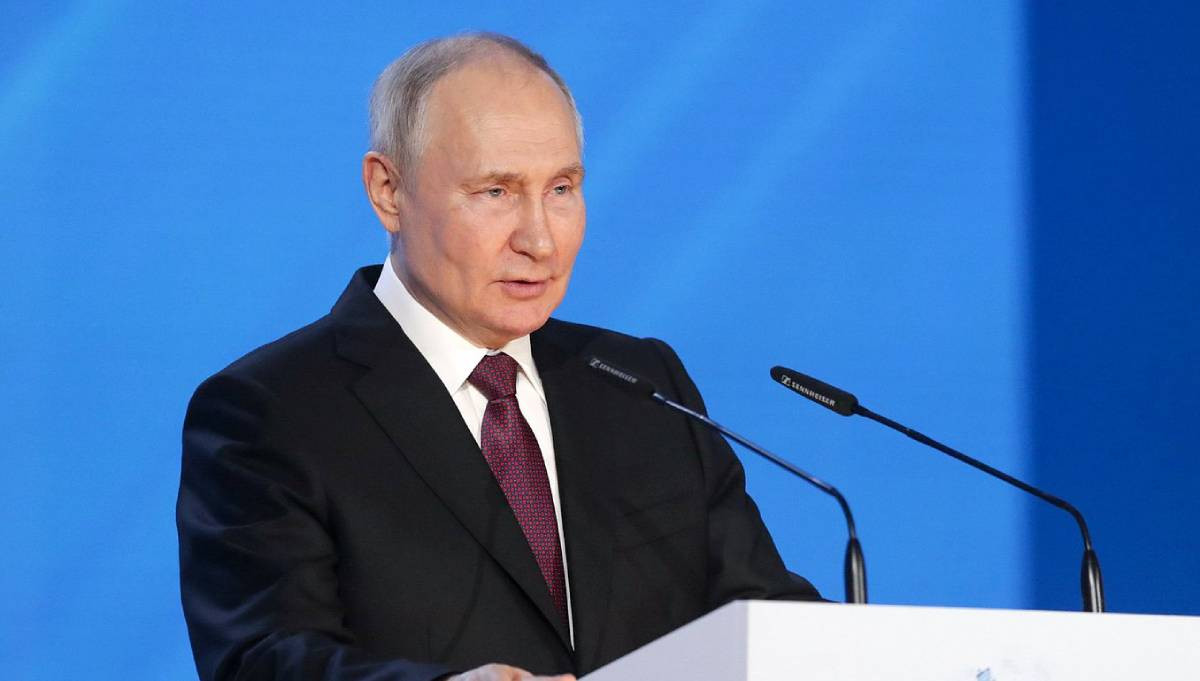
© State Duma of the Russian Federation
In a sharp escalation of rhetoric, Russia’s Deputy Foreign Minister Sergey Ryabkov warned that Moscow would promptly conduct its own nuclear test if the U.S. dares to resume testing.
His remarks signal mounting tension and a renewed focus on nuclear deterrence.
Loud Words, High Stakes
Ryabkov accused the Trump administration of preparing its nuclear test infrastructure, suggesting that the U.S. might be gearing up to break a longstanding moratorium. In response, he declared that any nation with the capability—including America—should expect retaliation from Russia.
He framed the situation as one demanding respect and restraint, urging that any decision to test must be made with full awareness of the consequences.
A Broader Breakdown in Trust
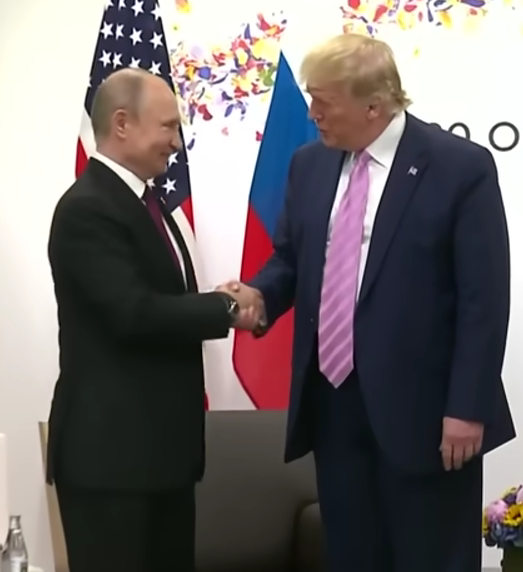
According to Ryabkov, earlier momentum toward diplomacy — such as talks following Trump’s meeting with Putin in Alaska — has largely faded. He blamed European “destructive actions” for stalling progress.
His message reflects more than just a single threat. It’s part of a deteriorating framework in U.S.–Russia relations, where each side increasingly sees the other as unreliable and aggressive.
Why This Is More Than Hot Air
- Deterrence in the spotlight: Ryabkov’s stance makes it clear that Russia still uses nuclear parity as a core pillar of its strategic posture.
- Erosion of arms control norms: The New START treaty and similar agreements rely on mutual trust. A public warning like this undermines that.
- Psychological warfare: By signaling willingness to escalate, Russia may aim to unsettle U.S. decision makers and international observers.
What Comes Next — Danger, Dialogue, or Deadlock?
If the U.S. does go ahead with tests, Russia might carry out a reciprocal demonstration. But whether either side ever fully launches those tests is uncertain, due to global pressure, internal constraints, and the risks of miscalculation.
Alternatively, this warning could force both nations back into quieter negotiations. But after recent backsliding, recovering trust would be an uphill battle.
You might also want to read: Trump Moved “Most Lethal Weapon Ever Made” Near Russia