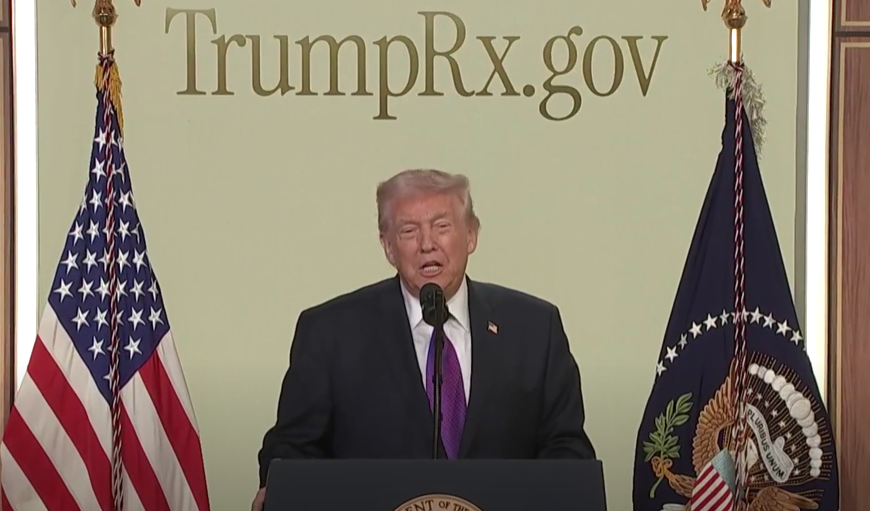
Trump Threatens Russia: “We Might Send Tomahawks”
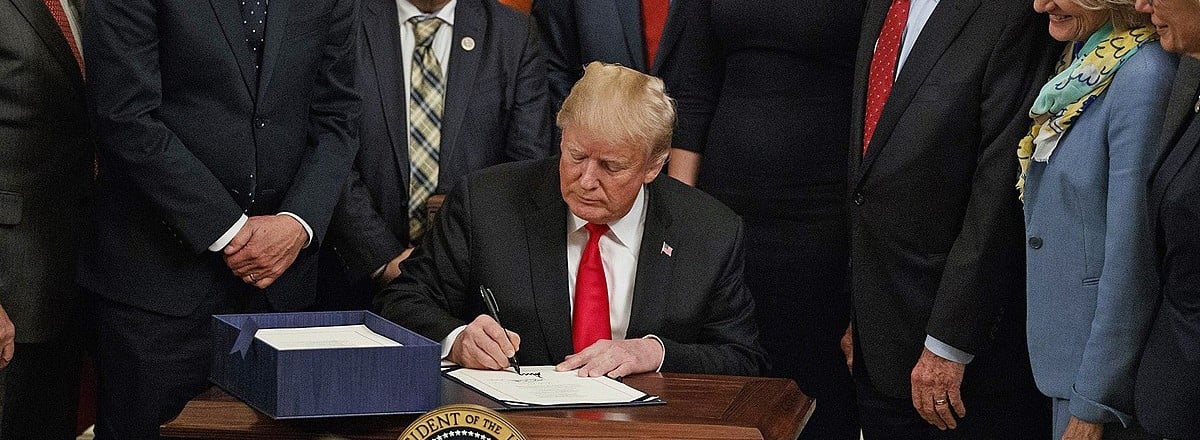
© United States Senate - Office of Dan Sullivan
Donald Trump has stirred the pot again — this time by threatening to send long-range Tomahawk missiles to Ukraine if Russia refuses to de-escalate the war.
The comment, made aboard Air Force One, has drawn sharp responses from Moscow, raising fears that the conflict could spiral into a much more dangerous phase.
Triggering a New Weapon Debate
During a flight to Israel, Trump told reporters, “If this war is not going to get settled, I’m going to send them Tomahawks … we may very well do it.” He described the missile system as “incredible” and “very offensive,” adding, “Russia does not need that.” He also acknowledged that the decision isn’t yet final — “we may not, but we may do it.”
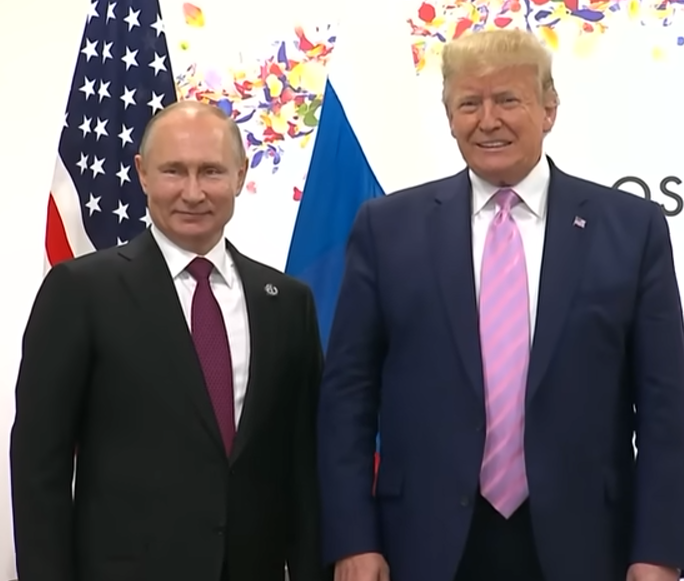
His remarks followed discussions with Ukrainian President Volodymyr Zelenskyy, during which the possibility of long-range weapons, including Tomahawks, reportedly came up.
Moscow Fires Back: “We’ll Respond”
Russia wasted no time reacting. Former president Dmitry Medvedev said supplying Kyiv with Tomahawks would be disastrous — especially for Trump personally. He claimed that once launched, Tomahawks with conventional or nuclear warheads are indistinguishable, hinting that Russia might retaliate with nuclear force.
Meanwhile, Kremlin spokesperson Dmitry Peskov and other officials expressed “extreme concern” over the proposal, warning that it could damage U.S.–Russia relations irreparably.
President Putin has similarly cautioned that such a move would mark a “new level of escalation” — a step he says would cross lines Moscow may not tolerate.
The Stakes: Escalation, Credibility & Risk
This moment is more than rhetorical posturing. It brings several high-stakes questions into sharp focus:
- Escalation risk: Introducing Tomahawks could provoke Russia to respond militarily, possibly even with nuclear threats.
- Credibility tests: Trump’s threat pressures him to follow through — or risk being seen as bluffing.
- Line between deterrent and provocation: The fence between defending Ukraine and dragging the U.S. deeper into global war is thin.
- Operational realities: Delivering and using long-range missiles like Tomahawks involves logistical, political, and strategic complexities — not just intent.
What Could Happen Next
- A U-turn or hesitation: Trump might step back after pressure from his advisors or allies wary of escalation.
- Conditional delivery: Maybe the missiles go to Ukraine only after assurances about their use, e.g., only against military targets.
- Russian retaliation: Threats of counterattacks or military maneuvers could rise.
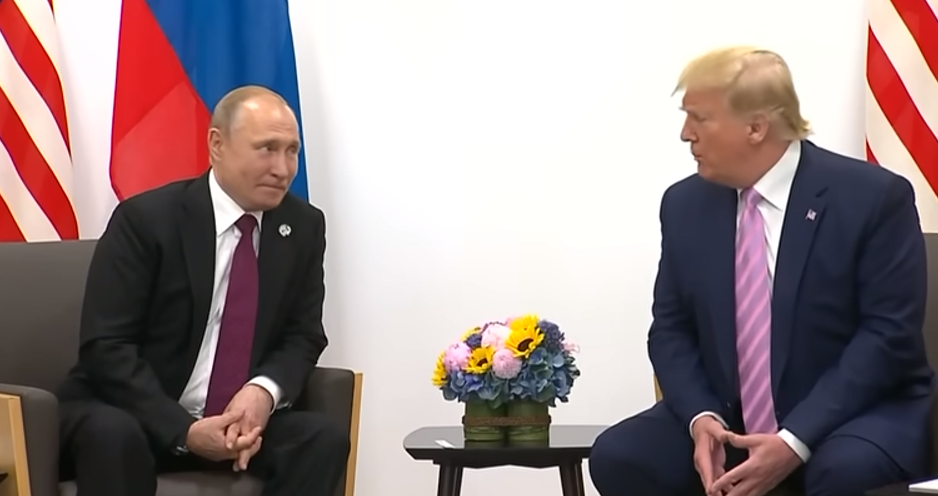
- Diplomacy forced to the forefront: The standoff may push both sides back to quieter negotiation tables — if they can stomach the tension.
You might also want to read: Trump Claims Israel and Hamas Agree to Phase One Peace Plan