Gaza Peace Signed, But Many Key Questions Remain
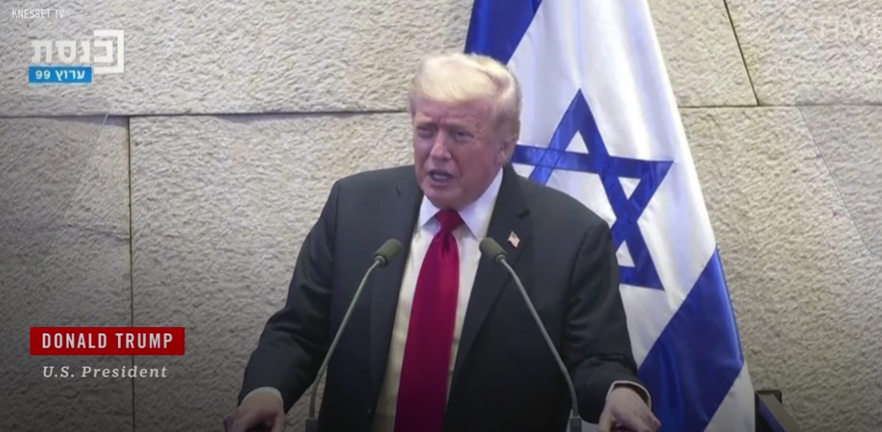
© TIME News
Leaders from the U.S., Egypt, Qatar, and Turkey convened Monday in Sharm El-Sheikh to sign what they called the “Trump Declaration for Enduring Peace and Prosperity.”
While the ceremony was billed as a milestone, analysts and critics quickly zeroed in on major gaps — especially around Gaza’s future, Palestinian statehood, and how compliance will be enforced.
What the Declaration Actually Does
The document affirms a commitment to peace, security, and renewed opportunity across the region. It recognizes the recent prisoner and hostage exchanges as progress.
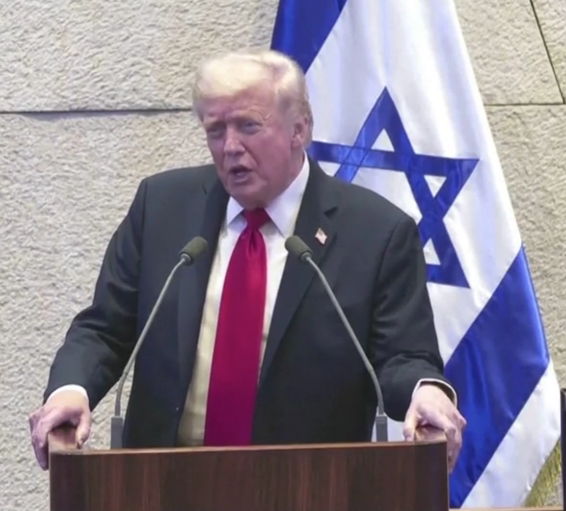
However, the text is vague regarding how those promises will be fulfilled. For example, there’s no clear roadmap for Gaza’s governance. The question of a two-state solution—long central to Israeli-Palestinian negotiations—is only skirted: Trump declined to commit, saying, “We’ll have to see.”
Instead, the deal leans on a transitional governing body for Gaza, to include international experts and technocrats—some proposals name former British Prime Minister Tony Blair as a potential figurehead. That’s not sitting well with all parties, especially Hamas, which has already opposed certain structural ideas.
Tensions Beneath the Pageantry
Signing ceremonies and diplomatic photo ops are easier than actual peace. Already, signs of strain are showing:
- Despite the ceasefire, reports noted violations along withdrawal lines and deadly incidents as some sectors tried to move or return.
- Some released detainees and hostages claim mistreatment, raising loyalty, credibility, and humanitarian concerns.
- The agreement’s ambiguity gives leeway for parties to interpret terms differently — a classic risk in conflict resolution diplomacy.
- Gaza’s future political, security, and civil systems remain unaddressed. Who will enforce rules, monitor weapons, or adjudicate disputes?
Why This Matters
- Legitimacy and trust: Without clarity, the peace deal risks being seen as symbolic rather than substantive.
- Fragility of enforcement: Peace on paper doesn’t guarantee peace in reality, especially with armed groups skeptical of outside oversight.
- Regional repercussions: How Egypt, Qatar, Turkey, and outside powers handle their roles could reshape alliances and influence in a postwar Gaza.
- Narrative control: Trump wants to be seen as a peace broker, but if implementation fails, the criticism will be sharp.
What’s Likely to Happen Next
- Mediators will push to flesh out governance, security, and monitoring protocols.
- Pressure will mount for explicit commitments on disarmament and elections.
- Failure to deliver could reignite hostilities or grassroots backlash in Gaza.
- International bodies and NGOs may push harder for accountability mechanisms and humanitarian support.
Ultimately, Monday’s ceremony marked the beginning of a delicate experiment. The real test isn’t signing—it’s making it hold.
You might also want to read: Trump Claims Israel and Hamas Agree to Phase One Peace Plan