Who Was John Wayne Gacy? A Look at the “Killer Clown”

© Netflix
John Wayne Gacy remains one of America’s most infamous serial killers.
Known to the public as both a community volunteer and a clown performer, his shocking crimes, convictions, and eventual execution have made him a chilling example of how dual lives can mask dark truths.
Early Life & First Offenses
Born on March 17, 1942, in Chicago, Gacy grew up in challenging circumstances, including an abusive father. As he got older, he moved between odd jobs and even served time early on for sexual assault in Iowa. He was convicted in 1968 for assaulting a teenage boy and served part of a 10-year sentence before being paroled. His public persona began to build after his release, as he became involved in business and civic activities.
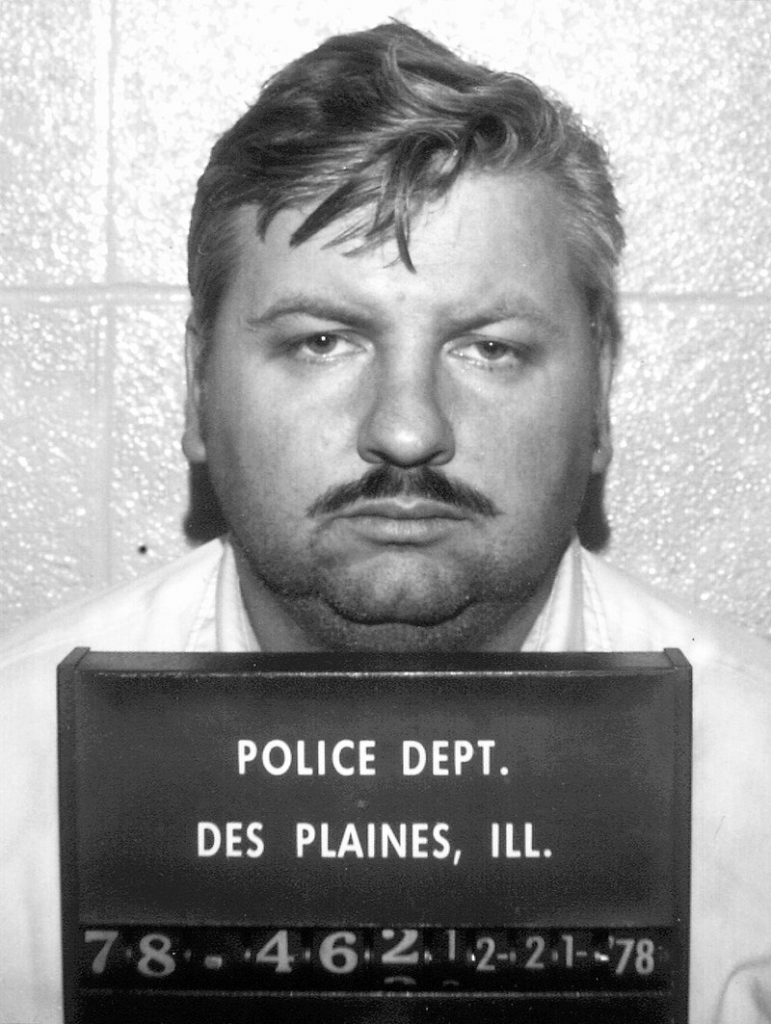
By the early 1970s, Gacy had a contracting business, a home in Norwood Park (a suburb of Chicago), and had married twice. Many who knew him saw him as friendly and charitable — fundraising, hosting community events, even performing as a clown. Little did they know what was happening behind closed doors.
The Murders & Modus Operandi
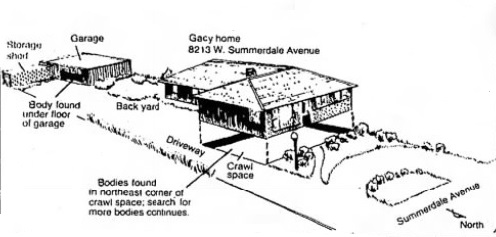
Between 1972 and 1978, Gacy is known to have killed at least 33 young men and boys. He would lure them—sometimes with job offers, rides, or casual social connections—and bring them back to his home. There, he would commit the crimes and, in many cases, bury the bodies under his house or dispose of remains in nearby areas.
The case that ultimately led to his arrest was sparked by the disappearance of Robert Piest in 1978. Investigators followed ties to Gacy, executed search warrants, and discovered remains in multiple locations on and around his property.
Arrest, Trial & Aftermath
Gacy was apprehended in December 1978, and his trial began in 1980. He was found guilty of 33 counts of murder, among other charges. Despite attempts by his defense to argue mental illness, the jury convicted him, and he was sentenced to death.
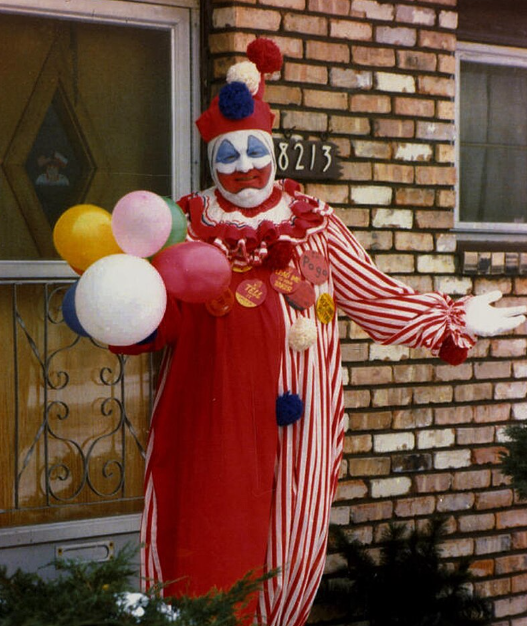
He remained on death row for over a decade. During that time, Gacy became known for another facet of his life: painting. His artwork, often depicting clown imagery, drew public attention and controversy. He was executed by lethal injection on May 10, 1994.
Why the Gacy Case Still Resonates
The story of John Wayne Gacy hits people hard for several reasons:
- The contrast between how he appeared to the public — polite, civic-oriented, even playful — versus the crimes he committed.
- The way he exploited trust, social standing, and perceived benevolence to gain access to victims.
- The lasting impact on victims’ families and the renewed importance of how communities identify warning signs.
- Ongoing interest in forensic work to identify victims and bring clarity to what remains unsolved.
Today, Gacy is often cited in discussions about serial crime, law enforcement oversight, and how predators can hide in plain sight.
You might also want to read: The Mysterious Traveler from Taured: Parallel Universe or Elaborate Hoax?