Full List of Jewels Taken in the Louvre Heist
© Louvre Museum
A brazen daylight raid at the Louvre Museum in Paris has produced a detailed — and chilling — inventory of what was stolen.
According to French authorities, eight precious items were removed from the gallery housing the French crown jewels in the Immense Galerie d’Apollon. Here’s what investigators say the thieves walked away with — and what they narrowly left behind.
What Was Stolen at the Louvre Museum?
The French Culture Ministry confirmed the following items were taken:
- A tiara from the sapphire jewellery set once belonging to Queens Marie-Amélie and Hortense.
- A necklace from the same sapphire set of Marie-Amélie and Hortense.
- A single earring, part of a pair in that sapphire set.
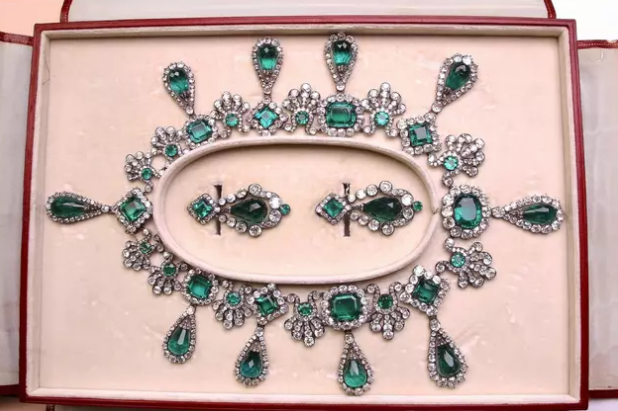
- An emerald necklace from the Marie-Louise set (Napoleon’s second wife).
- A pair of emerald earrings from that same Marie-Louise set.
- A reliquary brooch, a small yet historically charged piece.
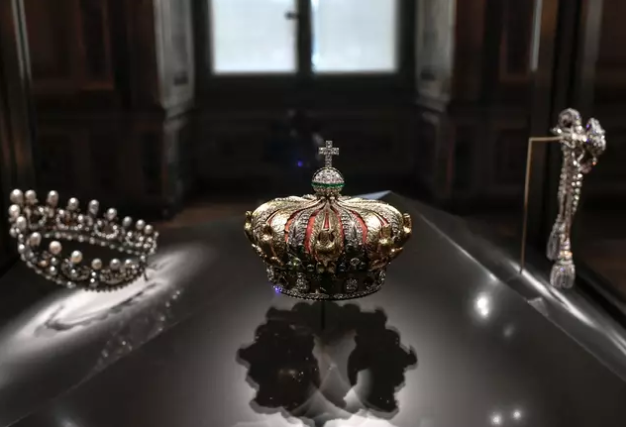
- A tiara of Empress Eugénie, wife of Napoleon III.
- A large bodice-knot brooch of Empress Eugénie (a decorative, ornate piece).
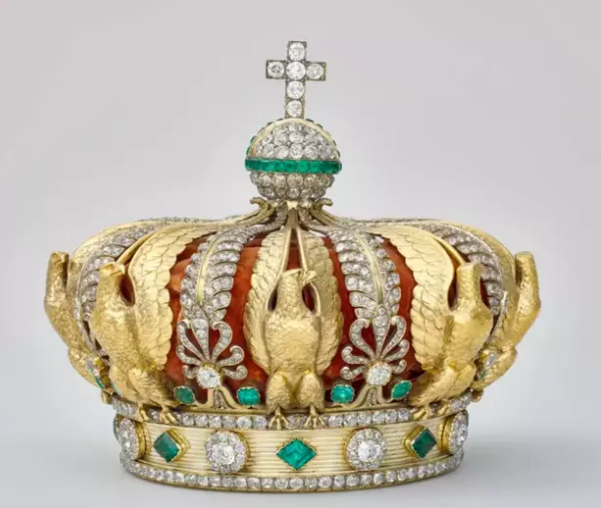
In addition, the crown of Empress Eugénie, adorned with gold, emeralds and diamonds — though reportedly stolen, was later recovered, damaged during the escape.
What Was Left Behind or Untaken
Some of the most valuable historic gems remained untouched. The famed Regent diamond, housed in the same gallery, was not taken by the thieves.
Also, while eight items were confirmed stolen, some reports cite nine pieces originally missing — discrepancies that investigators believe may stem from how items are grouped or classified.
Why the List Matters to the Louvre
This itemised inventory is important for several reasons:
- Recovery efforts: Knowing exactly which pieces are missing helps law enforcement issue global alerts and check known black-market channels.
- Historical value: Many of these pieces aren’t just jewellery; they symbolise French royalty, imperial dynasties, and cultural heritage.
- Insurance & verifiability: Recovering or even identifying these items is hard—thieves may cut or recut stones to mask origin. The better the documentation, the higher the chance of recovery.
- Museum security questions: The theft of multiple highly valuable pieces in one raid raises serious questions about how the museum protected such items and what vulnerabilities were exploited.
What to Watch Next
- Investigators are now combing through CCTV footage, transport logs, and high-value stone transactions. Police believe the thieves had pre-planned entry routes, tools and an escape plan.
- The museum may review how items are displayed, stacked and internally inventory-checked. For high-value pieces, the seismic lapse of daylight theft may spark major reforms.
- For the public and heritage community, the emphasis shifts to how “irreplaceable” cultural assets can vanish — turning from display to loss.
You might also want to read: Bold Heist at the Louvre: Priceless Jewels Stolen in Minutes