Woman Wins $100K Lottery After Asking ChatGPT for Numbers
© Michigan Lottery
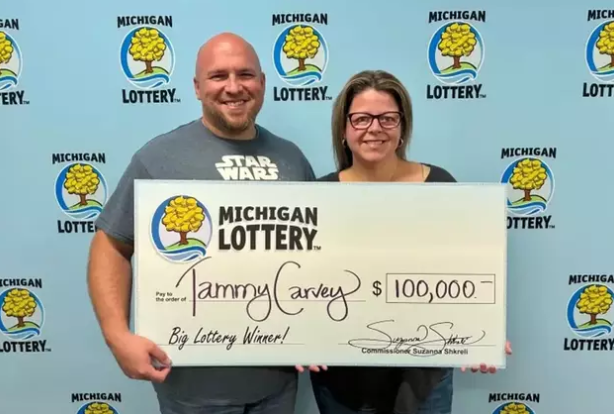
In a story that blends luck, technology, and a bit of unexpected wisdom, 45-year-old Tammy Carvey of Wyandotte, Michigan, hit a $100,000 prize playing the Powerball lottery after using the AI chatbot ChatGPT to pick her numbers.
The win comes during a period of increased fascination with how artificial intelligence might influence everyday decisions—even those as unpredictable as lottery draws.
The Backstory: Why She Asked AI for Help
Carvey said she only plays the Powerball when the jackpot is especially large—in this case, over $1 billion. On the September 6 drawing, instead of choosing familiar or sentimental numbers, she asked ChatGPT: “Give me a set of Powerball numbers.” Using the number set the chatbot supplied, Carvey purchased her ticket online at MichiganLottery.com.
When the results came out, Carvey matched four of the white balls and the red Powerball. At that point, she believed her prize was $50,000. But she had opted for the “Power Play” option at purchase, which doubles non-jackpot prizes; upon checking her account, she discovered the actual prize was $100,000. “My husband and I were in total disbelief,” she said.
What This Lottery Win Really Means
While the story is undeniably attention-grabbing—AI + lottery win—it’s important to understand what it doesn’t mean. The Michigan Lottery issued a reminder that “the results of all Lottery drawings are random and cannot be predicted by utilizing artificial intelligence or other number-generating tools.”
In other words, even if ChatGPT provided the winning numbers, it was still purely a gamble—and a successful one by chance, not by design. This case highlights both the novelty of applying AI to lottery picks and the long odds that remain deeply rooted in randomness.
How Carvey Plans to Use the Winnings from the Lottery
Carvey plans to pay off her home with a portion of the prize and save the remaining amount. She explained that the timing felt right, not just because of the high jackpot but because she was ready to “play something different.”
Bigger Questions Arising
- AI in everyday decisions: This win may encourage more people to ask AI for lottery picks—or other decision suggestions. But it also raises questions about the role of technology in what remains fundamentally a game of chance.
- Public perceptions: Stories like this fuel fascination with “smart tools” beating odds, even when chance still dominates.
- Regulatory and ethical considerations: If AI becomes a popular lottery-picking aid, lotteries and regulators might need to clarify whether such tools pose any fairness or integrity issues.
- Hope vs. skepticism: While Carvey’s story is uplifting for her, it should not overshadow the fact that the odds are astronomically stacked. Most players who use AI for number selection will not win anything significant.
You might also want to read: China’s Public Toilets Now Make You Watch Ads for Toilet Paper