Janelle Monáe Claims She “Time-Traveled” to the 1970s
© Rolling Stone
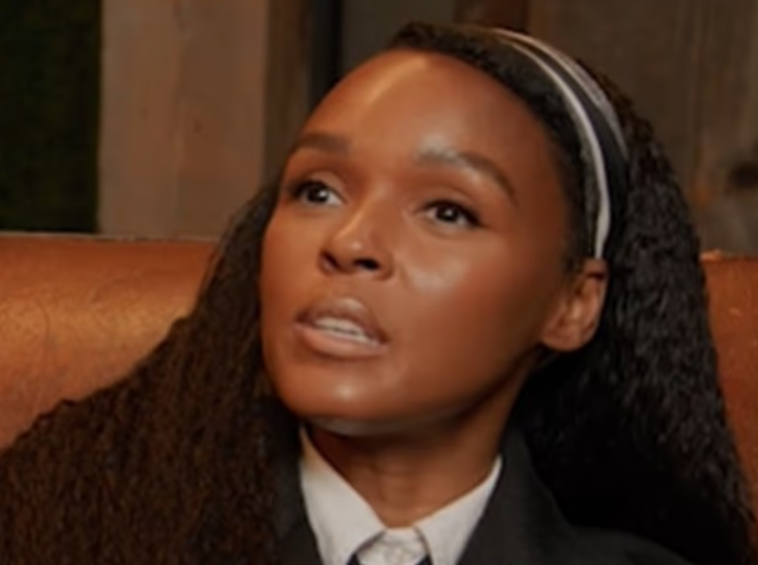
In a recent conversation for Rolling Stone’s Musicians on Musicians series, Janelle Monáe made headlines by saying she traveled back in time to the 1970s to witness David Bowie performing as Ziggy Stardust.
The remark, made casually in her chat with Lucy Dacus, left Dacus visibly puzzled and the internet buzzing.
The Monáe Moment That Sparked It All
During the interview, Monáe described:
“I travelled back into the 1970s and I saw him do Ziggy Stardust and The Spiders from Mars, and it was incredible.”
Lucy Dacus replied in surprise: “You … travelled back?” to which Monáe reaffirmed: “Yeah, I was backstage.”
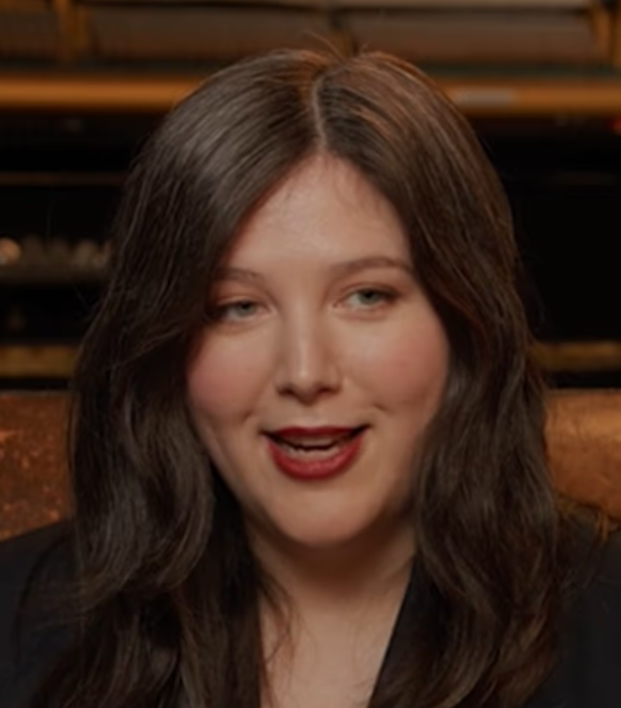
The comment was made in the context of a broader discussion about transformation, identity, and artistic inspiration — Monáe tied the experience to their lifelong fascination with world-building, queerness, and creative freedom. They said the moment inspired them to step into a different creative space: “So I jetted back to the 2000s and I was like, ‘I can have the musical, make the music, create the lyrics and create community around transformation and being queer…’”
How the Public Reacted
Reactions ranged from playful intrigue to serious commentary. Some viewers assumed Monáe was speaking metaphorically — an artistic way of describing being so inspired by Bowie that it felt like time-travel. Others took the statement more literally and enjoyed the idea of Monáe as an actual time traveler. Online comments included:
“If anyone can do it it’s Janelle Monáe.”
“No it’s true I was backstage with her.”
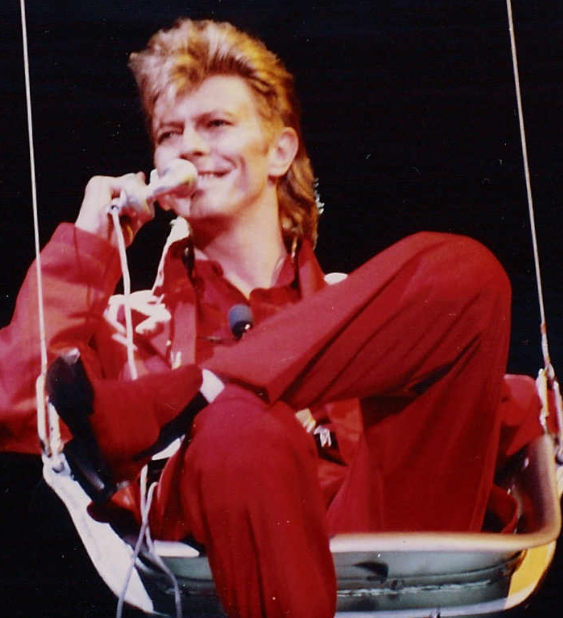
Meanwhile, Dacus maintained a composed expression, even as she processed the claim. The surreal moment became a talking point — not just for the time-travel line itself, but for what the claim says about Monáe’s creative process.
The Bigger Picture: Why the Line Matters
- Artistic identity & Afrofuturism: Monáe has long woven narratives of androids, future selves, and alternate eras into their music and persona. The “time-travel” anecdote fits within their broader creative universe.
- Symbolism of influence: Instead of simply saying “Bowie inspired me,” Monáe framed the moment as an experiential shift — as though witnessing Bowie live triggered a transformation.
- Public play-and-vision: The story blends performance, myth-making, and identity in ways that challenge conventional interviews. Monáe’s tone suggested a blending of metaphor and personal truth.
- Conversation around transformation: In the interview, Monáe linked the experience to Halloween, transformation, and giving oneself permission to change and play.
What to Watch For
- Whether Monáe clarifies if the “time-travel” claim was literal, metaphorical, or something in between.
- How fans and media interpret this moment — as creative mythos, performative storytelling, or genuine belief.
- It is unclear whether this anecdote influences upcoming projects. For instance, Monáe referenced writing a screenplay and building worlds across time.
You might also want to read: “Stop Sending Me AI Videos of Dad”: Zelda Williams’ Angry Plea