China Introduces Stricter Rules for Social Media Influencers

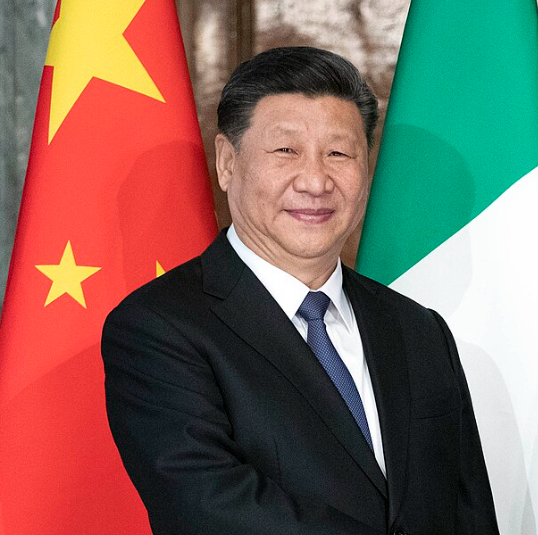
© Wikimedia Commons
China’s digital regulators have rolled out new rules aimed at tightening oversight of social-media influencers, particularly those producing content on sensitive subjects like medicine, law, finance, and education.
The policy marks a clear step towards stricter regulation of online opinion-leaders and the platforms that host them.
What the New Rules Require in China
Under the directive from the Cyberspace Administration of China (CAC):
- Influencers covering professional topics—such as medical advice, legal commentary, financial investment tips, or educational guidance—must now hold formal credentials or training in the relevant field before publishing.
- They must provide documentation or evidence of their qualifications, with a two-month deadline given to submit credentials.
- Platforms (e.g., Douyin, Xiaohongshu, Kuaishou) are mandated to verify influencer credentials, ensure transparency, and remove or flag content that lacks proper qualification.
- Additional obligations include making clear when content includes dramatization or AI-generated elements and to cite sources when claiming to give professional-level advice.
Why the Shift Matters
- Combatting misinformation: By forcing influencers to demonstrate expertise, China aims to reduce the spread of false or misleading advice in high-stakes fields like health or finance.
- Platform accountability: The rules shift some of the regulatory burden onto platforms, making them responsible for verifying influencer claims and overseeing compliance.
- Commercial & cultural implications: Influencers are a major force in China’s digital economy—so these new requirements may reshape how influencer marketing, livestream commerce, and content creation operate.
- Global ripple effects: As China is one of the largest digital markets in the world, the rules may influence how international platforms and brands engage with Chinese creators or mirror regulatory trends elsewhere.
What Creators and Platforms Should Do
- Influencers need to audit whether their content falls under “sensitive topic” categories. If yes, they should seek the relevant credentials or revise their content strategy.
- Platforms should strengthen verification processes, update creator-policy guidelines, and ensure transparency in how professional advice is delivered or flagged.
- Brands working with influencers in China should check that creators meet the new standards and consider legal risk in endorsement or advice-based collaborations.
- Observers should monitor how enforcement plays out—whether through account suspensions, fines, or content removal—and how creators adapt.
Limitations & Questions
- The regulation focuses on creators who provide professional advice; everyday lifestyle or entertainment-based influencers appear less impacted.
- It remains to be seen how strictly the rules are enforced, especially for smaller creators or those operating across jurisdictions.
- Critics will ask: how does one define “qualification” for an influencer? Will this stifle creative freedom or favour established voices?
You might also want to read: China Fires Back: Retaliatory Tariffs After Trump’s 100% Threat