Donald Trump Reacts to Twin Crashes of U.S. Navy Aircraft
© CC BY 2.0
Two U.S. Navy aircraft from USS Nimitz crashed into the South China Sea within approximately 30 minutes of each other. The first was an MH-60R Sea Hawk helicopter, and the second an F/A-18F Super Hornet fighter jet. Thankfully, all five crew members involved have recovered and are in stable condition.
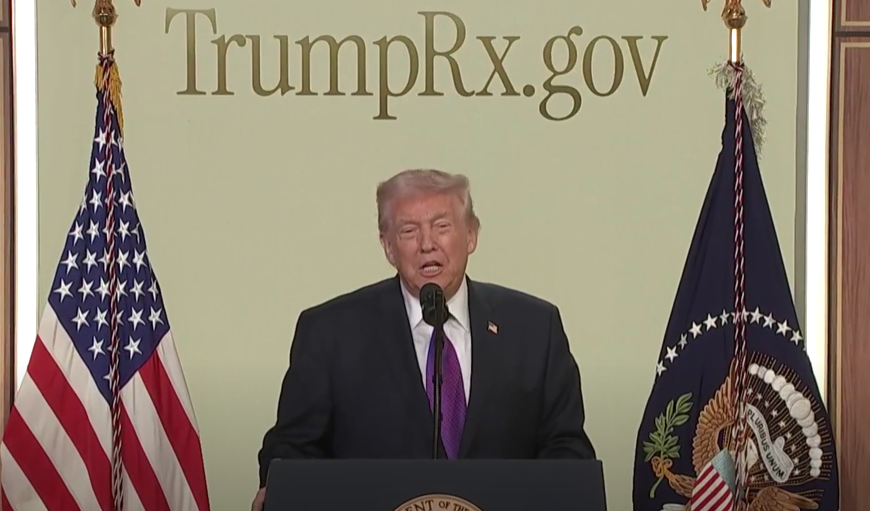
President Trump responded by calling the incidents “very unusual” and suggesting that bad fuel might be a cause. He added, “We’re going to find out. Nothing to hide, sir.”
Why It Matters
- These incidents occurred during routine operations from the USS Nimitz while the carrier was deployed near the South China Sea.
- The crashes raise questions about aviation safety, equipment reliability, or logistical support within a key carrier strike group.
- Trump’s comment about “bad fuel” is notable because it puts possible emphasis on supply chain or maintenance factors — a potentially serious concern for naval aviation readiness.
- With the South China Sea being a strategic hotspot, such accidents (even without fatalities) draw attention to U.S. force posture, naval operations, and public communication.
- The fact that all crew survived is very positive, but investigations will likely examine operational procedures, aircraft maintenance, human factors, and environmental conditions.
What We Know So Far
- The two aircraft losses happened within a short time frame, which is rare for a carrier strike group.
- The Navy’s Pacific Fleet acknowledged the incidents and noted that both crashes are under investigation.
- Trump specifically highlighted the possibility of “bad fuel” but offered no definitive cause. Other possible causes (mechanical failure, pilot error, environmental factor) remain unexplored publicly.
- Despite the high-value nature of naval aviation assets and their deployment environment, there have been no fatalities — a relief but also a reminder that each incident demands accountability.
What to Watch Next
- The outcome of the investigation: What was the root cause? Was it fuel contamination, maintenance oversight, human error, or something else?
- Whether this incident triggers changes in carrier-aircraft maintenance, logistics, or supply-chain procedures, especially in forward-deployed environments.
- How the reporting and messaging from the Navy and Trump’s administration evolve — transparency and technical detail will influence public and military trust.
- Whether allied or adversary naval forces react to or interpret these incidents in their broader strategic calculations around the South China Sea region.
- Whether training, readiness metrics, or risk-management protocols will be adjusted in response to what happened.
You might also want to read: Trump Halts All Trade Negotiations with Canada Over TV Ad