Student Dies in Bali After Years on Extreme Fruitarian Diet

© carolina.mariie / Instagram
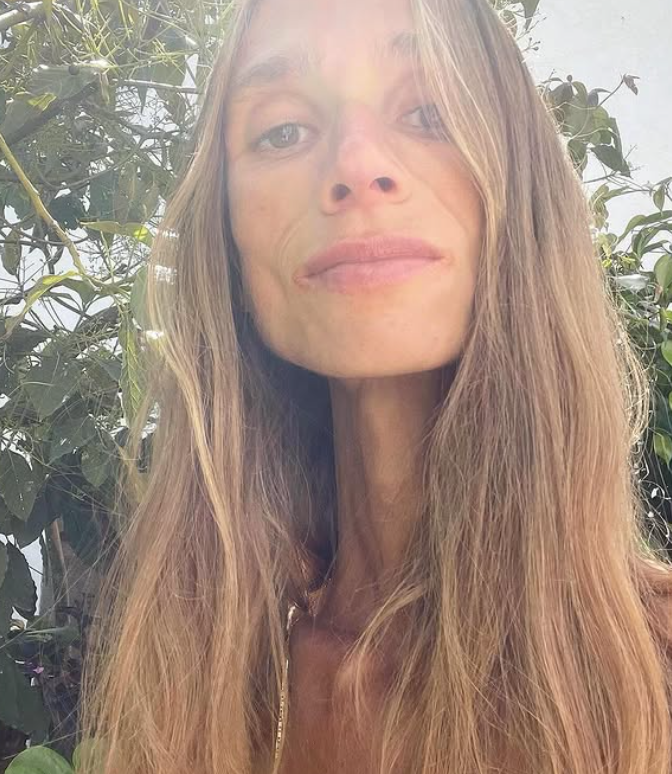
A tragic story is drawing attention to the dangerous intersection of restriction, online influence, and self-harm. Karolina Krzyzak, a 27-year-old former student at Leeds University, was found dead in her Bali resort room after years of following an extreme “fruitarian” diet that completely excluded cooked or processed foods.
The report claims she weighed as little as 22 kg (3.5 stone) at one point.
The Last Days in Bali
Krzyzak checked into Sumberkima Hill Resort in northern Bali in December 2024. Staff described her as emaciated, with sunken eyes, visible bones, and needing assistance just to reach her room. She refused conventional medical help and only asked for fruit to be delivered to her. After days without contact, resort staff discovered her body.

Eyewitnesses say she rarely left her room in those final days and ignored offers to see a doctor. A local acquaintance who ran a raw vegan café in Ubud raised concern when she lost touch with Karolina.
A Long Decline
Karolina was born in Warsaw and moved to the UK at around age 18 to study at Leeds. She became involved with yoga and veganism, eventually adopting a fruitarian diet at age 19. Over the years, friends noticed increasingly severe health consequences: osteoporosis, nutrient deficiencies, rotting teeth, and swelling likely from malnutrition.
She had been hospitalized for an eating disorder in 2018, but shortly after discharge reverted to the extreme diet. She was active on social media, posting smoothie bowl images and livestreams, where followers often praised her appearance despite clear signs of deterioration.
The Danger of Extremes
This case starkly illustrates the risk of extreme dietary restrictions. While veganism and raw eating can be healthful when managed well, cutting out nearly all food categories — such as adopting a strict fruitarian diet — carries high risk for severe nutrient deficiencies, muscle wasting, organ damage and immune dysfunction. In Karolina’s case, her diet apparently lacked key proteins, fats, minerals and calories necessary to sustain life.
Moreover, her resistance to medical intervention underlines how those suffering from disordered eating may perceive help as an attack on their identity or belief system, especially in communities that valorize “purity” or extreme adherence.
What This Tragic Story Teaches
- Balance is essential: No diet is healthy if it consistently deprives the body of critical nutrients.
- Watch for warning signs: Progressive weight loss, refusal to seek help, isolation, disruption in physical function (weakness, swelling, dental issues) are red flags.
- Mental health matters: Underlying psychological distress, body image, or identity issues often accompany severe dietary restriction.
- Responsibility of online communities: When communities celebrate extreme diets without nuance, they may inadvertently reinforce dangerous behavior.
- Access to care should be compassionate: Many who suffer with restrictive diets avoid or reject medical help; the response must balance respect and urgency.
You might also want to read: Teacher Files Police Report After Student Steals $300 Hello Kitty