Matcha Supplies Are Actually Running Low
© Freepik
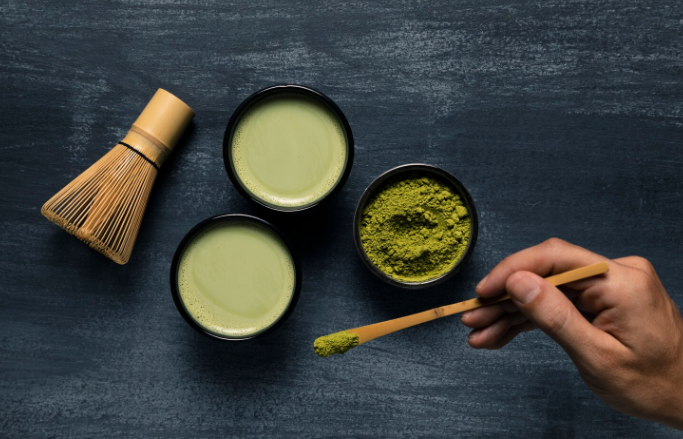
The once-niche powdered green tea known as matcha is now facing a serious supply crunch—driven not by dwindling interest, but by a dramatic surge in demand that Japanese producers are struggling to match.
The Origins of the Shortage
Matcha is made from tencha, a shaded green tea leaf then finely ground into the powder we know. But tencha is a small slice of Japan’s tea output, making up only about 6% of production. Because matcha demand has exploded—especially in the West, thanks to social media trends and lifestyle marketing—suppliers are under immense pressure.
In 2024, Japan welcomed a record 36.9 million international visitors, putting additional stress on local matcha outlets and supply chains. To cope, brands like Ippodo and Marukyu Koyamaen have already limited or paused sales of certain matcha lines.
Worse, environmental factors haven’t helped. Farmers report that the 2025 harvest was high in quality but low in yield, due in part to unfavorable growing conditions in key regions like Kyoto. Meanwhile, tencha prices have spiked: in April 2025, prices jumped to ¥8,235 per kilogram, 1.7 times the previous year.
What This Means for Matcha Lovers
- Scarcity of premium matcha: Ceremonial and high-grade matcha are being hit the hardest, with many varieties now difficult to find or coming with limited-buy rules.
- Rising prices & delays: Retailers worldwide report higher import costs, longer wait times, and shrinking stock.
- Substitution is rising: Some vendors are substituting lower-grade matcha or blending with green tea to stretch supply.
- Supply chain under strain: With few new farms producing tencha, and given the labor and time needed for cultivation and grinding, it’s hard to scale up quickly.
How You Can Sip Smart
While the shortage lasts, there are ways to adapt without giving up matcha entirely:
- Use less, use wisely: Some matcha fans point out that using 3–4 g in a latte (rather than 6+) can stretch your supply more sustainably.
- Rotate with alternatives: Powders like sencha, ground green tea, or other antioxidant teas can fill in when matcha is scarce.
- Pick the right grade: Save ceremonial matcha for traditional preparation and use “latte-grade” or culinary matcha for mixed drinks.
- Buy carefully: Support smaller farms or brands that source fairly and sustainably rather than jumping on hype drops.
You might also want to read: Utah Teen Faces Misdemeanor Charges After Taping Fish to ATMs