Former Vice President Dick Cheney Passes Away at 84
Public Domain
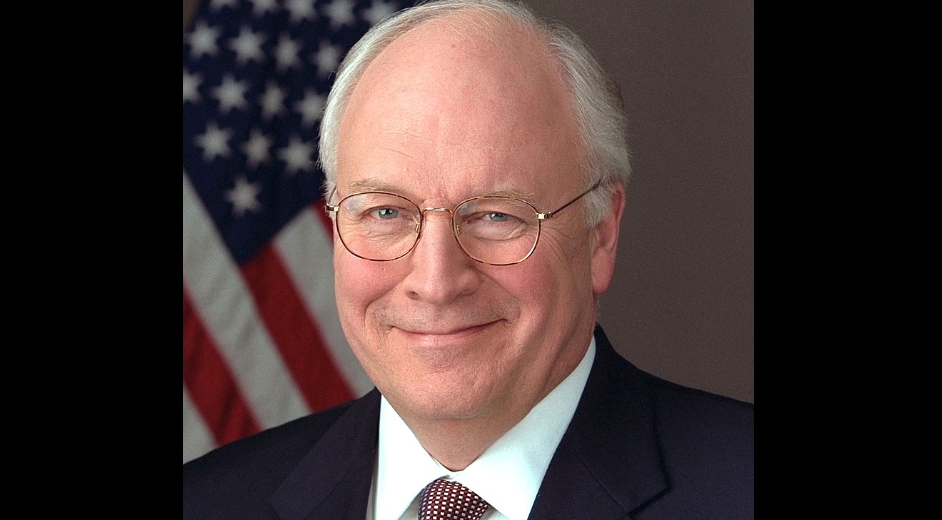
Dick Cheney, the 46th Vice President of the United States and one of the most influential figures in recent American political history, has died at the age of 84.
His family announced he died late on November 3, 2025, citing complications of pneumonia and cardiac and vascular disease as the cause.
From Wyoming Congressman to National Power-Broker
Born on January 30, 1941, in Lincoln, Nebraska, and raised in Wyoming, Cheney’s rise in politics was long and marked by increasing power. He began his federal career under Presidents Nixon and Ford, then served as White House Chief of Staff, U.S. Representative for Wyoming, Secretary of Defense under President George H.W. Bush, and ultimately Vice President under President George W. Bush from 2001 to 2009.
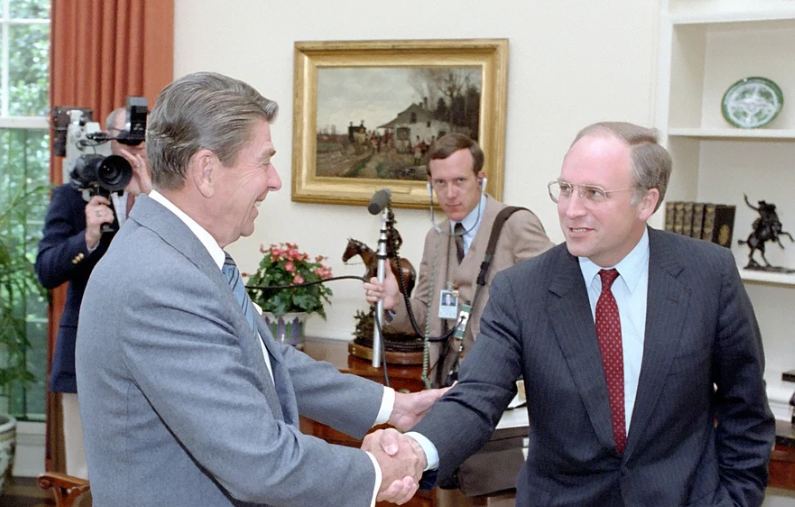
His influence was especially pronounced after the September 11 attacks, where he was instrumental in shaping U.S. responses, including the wars in Afghanistan and Iraq.
Legacy of Policy, Power, and Controversy
Cheney transformed the vice presidency from a largely ceremonial office into a powerful post with real operational sway. He was known for his assertive stance on national security, his role in expanding executive power, and his backing of aggressive foreign policy decisions, particularly the invasion of Iraq based on contested intelligence.
His career was not without controversy: critics cited secretive practices, questions about civilian oversight of the military and intelligence, and the later revelation that no weapons of mass destruction were found in Iraq.
The Shadow President
During his two terms, Cheney earned a reputation as the administration’s “shadow president.” He shaped defense and intelligence strategies, and pushed for aggressive counterterrorism measures — including controversial interrogation tactics that critics labeled as torture.
Supporters saw him as a steady hand in turbulent times, while detractors viewed him as a symbol of secrecy and unchecked power. Regardless of stance, few deny his impact on American policy and the office of the vice presidency itself.
Personal Health Battles and Final Days
Cheney battled serious health issues for decades, including multiple heart attacks, and ultimately received a heart transplant in 2012.
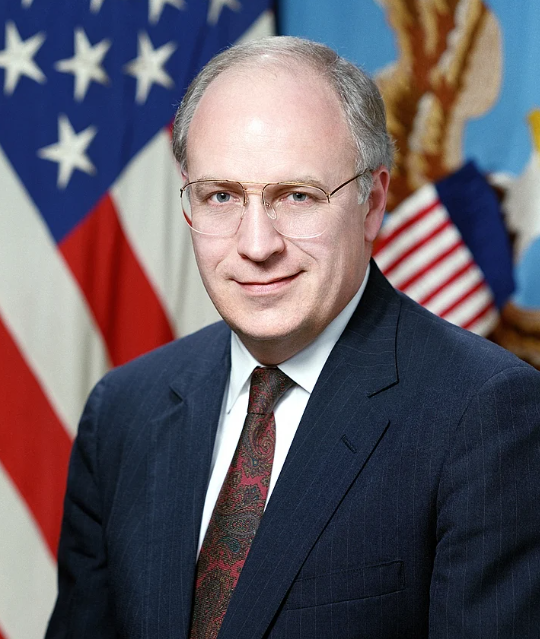
In his final days, he was surrounded by his family—his wife Lynne, and daughters Liz and Mary—who were with him when he passed.
Why It Matters
- Cheney’s death marks the end of an era: his tenure helped redefine what a vice president can do in modern American politics.
- His legacy will remain deeply polarizing—admired by many for his leadership and criticised by many for his tactics.
- For historians and the public alike, Cheney’s career is a key chapter in post-9/11 America: its wars, its expanded security state, and its shifting balance of power between the presidency and the people.
- On a human level, his long health struggle and eventual passing remind us that even the most formidable figures face their own vulnerabilities.
You might also want to read: California Makes It Illegal to Use AI to Replace Actors