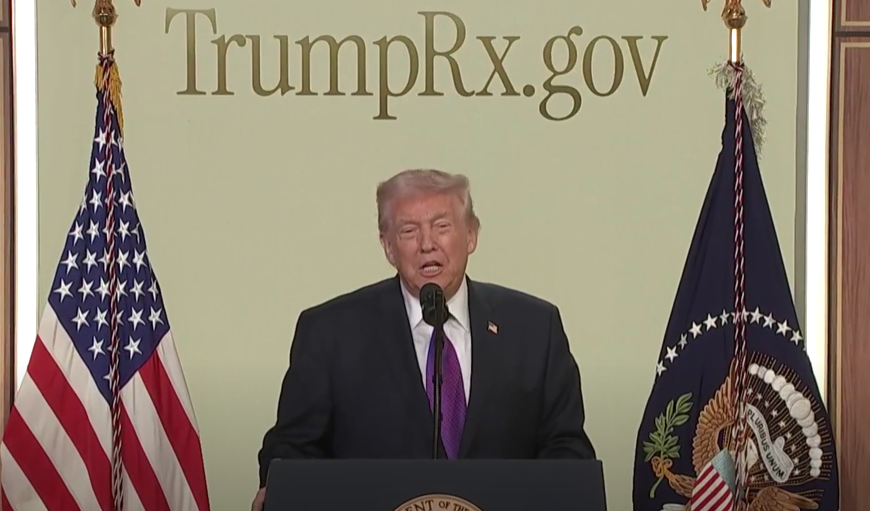
New Epstein Emails Put Donald Trump in Spotlight
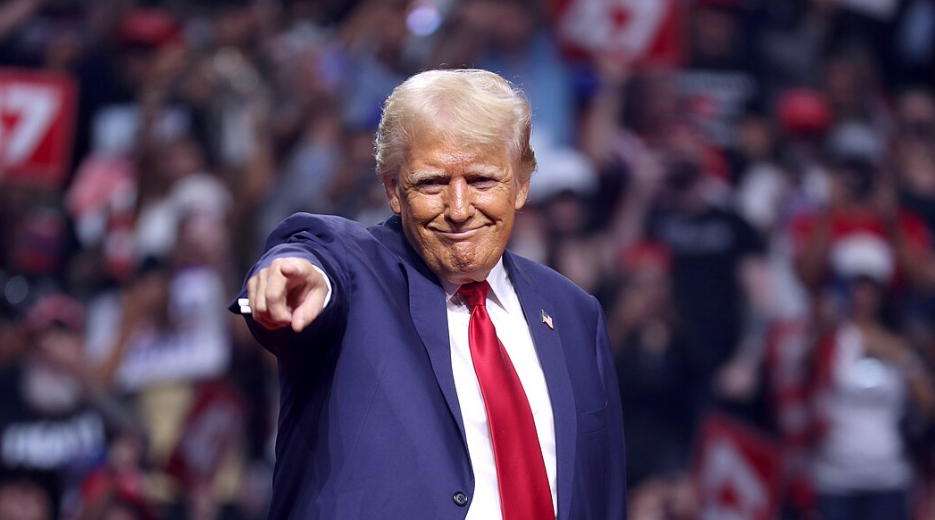
© CC BY-SA 2.0
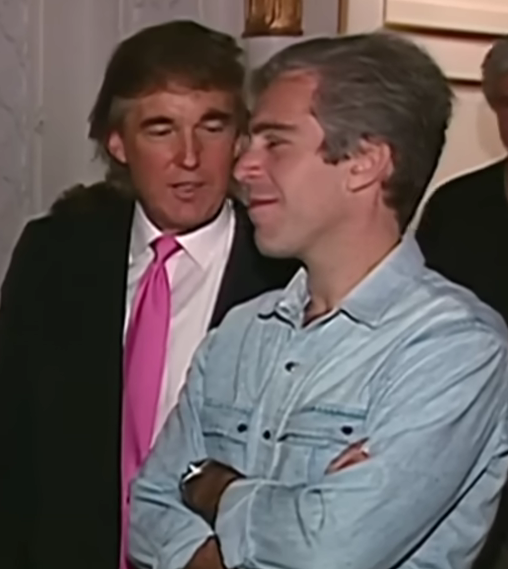
A batch of emails newly disclosed by the House Oversight Committee has reignited scrutiny of former President Donald Trump’s relationship with the late financier Jeffrey Epstein. In one 2011 message to accomplice Ghislaine Maxwell, Epstein wrote: “the dog that hasn’t barked is Trump… [Victim] spent hours at my house with him.” In another, from 2019, Epstein told author Michael Wolff that Trump “knew about the girls as he asked Ghislaine to stop.”
Although the emails do not allege Trump’s direct involvement in Epstein’s trafficking ring, they contradict his previous denials of awareness and put pressure on his past assertions of distance from Epstein’s behaviour.
Committee Moves Toward Transparency
The Oversight Committee released the emails amid a broader effort to demand full disclosure of Epstein-related files and communications. Democratic members say the documents raise questions about potential White House involvement, influence, and cover-ups in the Epstein case. The committee’s plan includes forcing a vote on the Epstein Files Transparency Act, which would require the Justice Department to release all records linked to Epstein’s prosecution.
Republicans on the committee have pushed back, accusing Democrats of selective leaks for political gain and counter-released a larger tranche of documents to assert balance.
Trump’s Reaction to the Epstein Emails and Political Fallout
The White House has responded by dismissing the releases as “selective leaks” designed to defame Trump and distract from other issues. Press Secretary Karoline Leavitt said Democrats were “creating a fake narrative to smear President Trump.”
Meanwhile, Trump’s legal troubles face fresh possible implications. While no charges have been brought, the new materials could influence public perception, future litigation, or congressional oversight. The timing coincides with the push for the Transparency Act vote, suggesting that the issue is now more than historical—it’s political.
Why This Matters
These revelations matter because they touch on the intersection of power, accountability, and secrecy. If the emails are credible, they suggest that Epstein’s influence reached into the highest political circles and that key documents have been withheld. That perception of hidden information erodes public trust in justice and the institutions meant to oversee it.
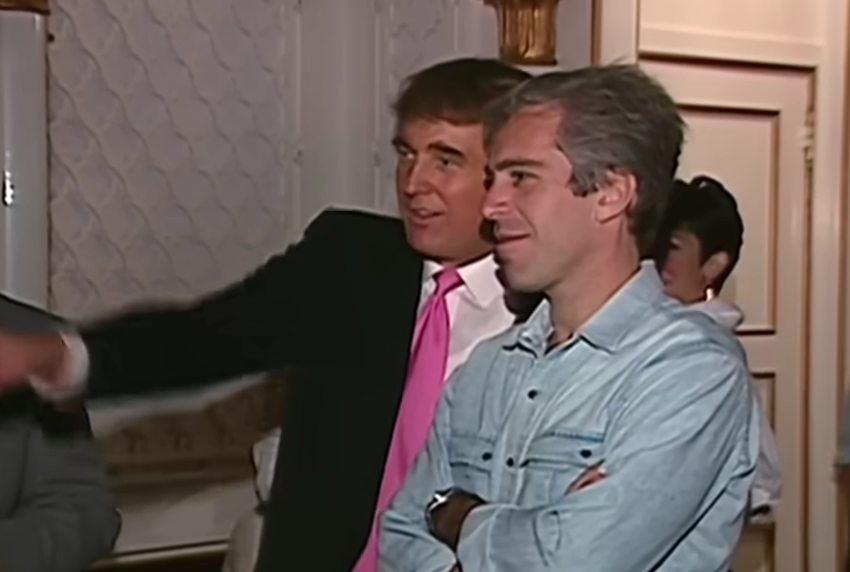
For Trump, who has repeatedly sought to frame himself as separate from Epstein’s world, the implication of knowledge alone could mark a serious reputational risk. It also raises broader questions: How many other lines of inquiry remain blocked? What else is hidden behind redactions and silence?
So, What Happens Next?
What comes next is pivotal. The Oversight Committee could schedule a public hearing, subpoena additional documents, or move the Transparency Act closer to the floor for a vote. If the bill passes the House, the Senate and White House will follow. At the same time, Trump’s team may respond with legal challenges or further denials.
Beyond politics, the release may influence how high-profile figures engage with investigations, how evidence is preserved, and how public life accountability is enforced. In essence, this is not merely about archived emails—it’s about how societies preserve truth and hold power to account.
You might also want to read: What Will Happen Now That the Epstein Files Petition Reached 218 Votes?