Alleged “Sniper Tourism” in Bosnia – Are U.S. Citizens Part of it?
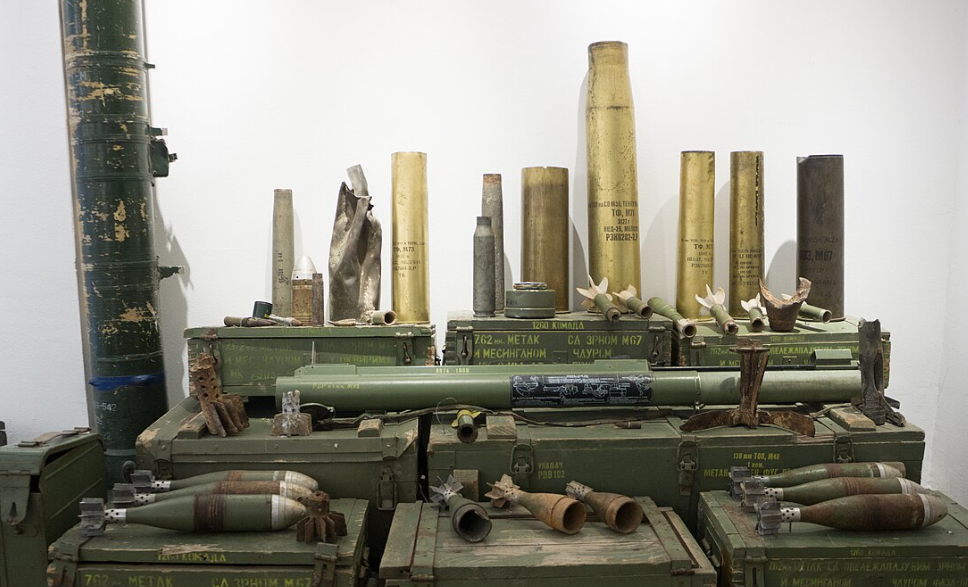
© CC BY-SA 3.0
Come face-to-face with one of the most chilling allegations to emerge from the Siege of Sarajevo (1992-96): what’s now being described as “sniper tourism” or “human safari” where foreign tourists allegedly paid for the chance to shoot civilians. Investigators say wealthy visitors to the city, once haunted by the sniper-strewn streets of Sniper Alley, paid up to €100,000 to participate in weekend cruises of gunshots, including targeting children.
Officials in Milan say they have opened a criminal case to identify and prosecute alleged participants, including some from the U.S., after being tipped off by the Slovenian documentary Sarajevo Safari.
U.S. Probe and International Ramifications
On November 13, 2025, U.S. Congresswoman Anna Paulina Luna announced she had launched an inquiry into possible American involvement in these “sniper tourist” operations and pledged cooperation with Italian and Bosnian officials. She warned that “paying money to shoot civilians—and even worse to shoot children—is a level of evil our country cannot and will not tolerate.”
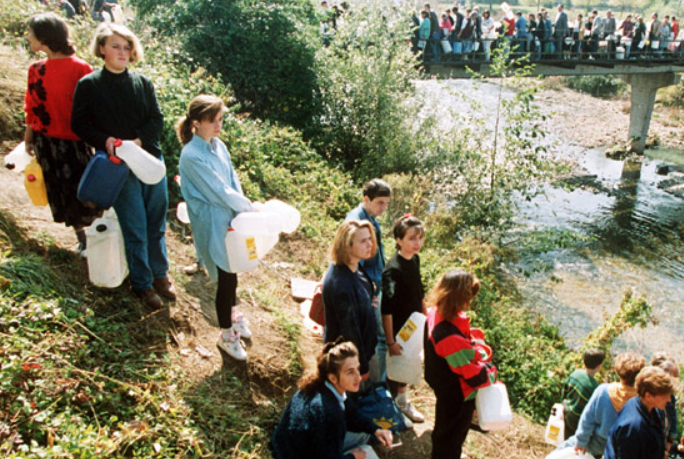
The Milan prosecutors, meanwhile, say they have identified several Italian nationals connected to the alleged trips and believe some of the logistics involved flights out of Trieste and routing through Belgrade before reaching sniper positions around Sarajevo.
Why “Sniper Tourism” Is a Big Deal
The allegations don’t just shock—they force a reckoning with how war crimes, tourism, and profit-seeking may have intersected in one of Europe’s darkest conflicts. If verified, they suggest civilians were targeted not only by warring armies but by foreign spectators paying for the thrill of a kill—deepening the horror of the siege beyond traditional warfare into commodified violence.
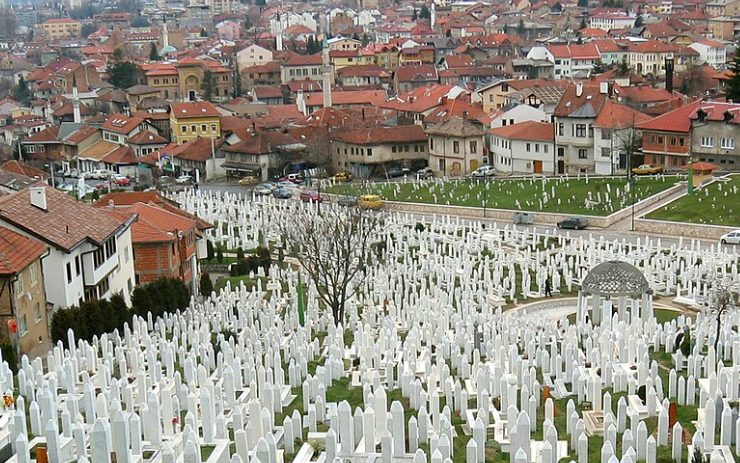
For the U.S., the implication that American citizens may have taken part raises serious questions of jurisdiction, accountability, and how post-war investigations deal with participants beyond national borders. It also puts scrutiny on how travel, weapons, and civil oversight intersect—even decades later.
What Happens Now
Next steps include subpoenaing individuals named in the Milan complaint, issuing international arrest warrants if individuals are identified abroad, and coordinating among Bosnian, Italian, and possibly American authorities. The U.S. investigation could lead to prosecutions under laws barring Americans from participating in war crimes abroad.
Meanwhile, victims in Bosnia say they’ve long suspected foreign involvement but were unable to advance the case without outside cooperation. One Sarajevo resident noted that “weekends were especially dangerous during the siege”—and now a formal investigation may finally bring some answers.
You might also want to read: What Will Happen Now That the Epstein Files Petition Reached 218 Votes?