Top Neurosurgeon Gets Mistaken for Jeffrey Epstein
© NewYorkPost / YouTube
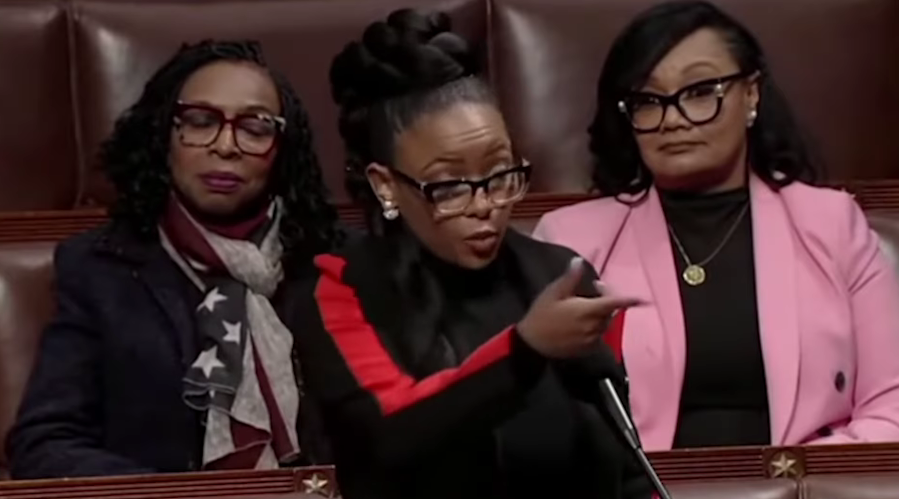
During a heated session on the floor of the U.S. House of Representatives, Jasmine Crockett, a Democratic Congresswoman from Texas, accused several Republicans of receiving campaign donations from “a Jeffrey Epstein.”
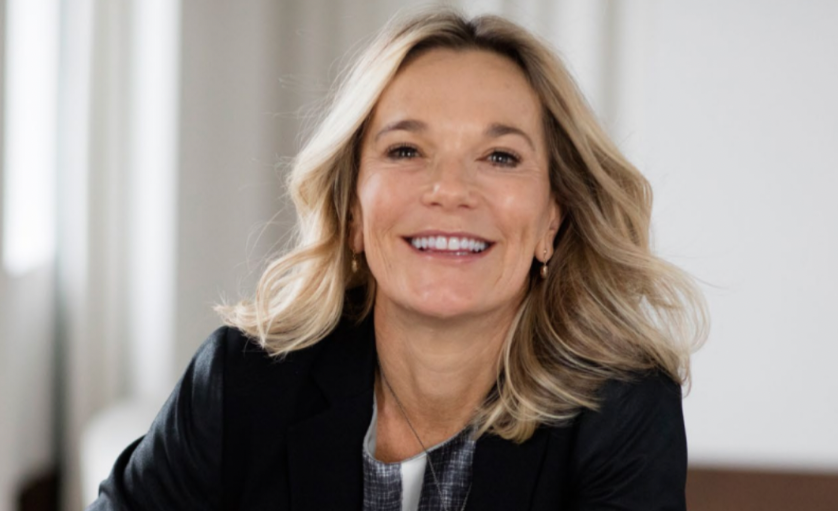
But this “Jeffrey Epstein” wasn’t the notorious financier convicted of sex crimes — it was a completely different man: Dr. Jeffrey Epstein, a respected neurosurgeon based on Long Island.
The donations in question — amounting to $1,000 in 2020 — came long after the infamous Epstein died in 2019. Yet the floor remarks implied a connection to the infamous sex offender, triggering immediate backlash.
A Mistaken Identity With Big Consequences
For Dr. Epstein, the confusion was more than a political gaffe — it was a stain on his name. In an interview with media outlets, he expressed frustration over being publicly associated with crimes he had no relation to.
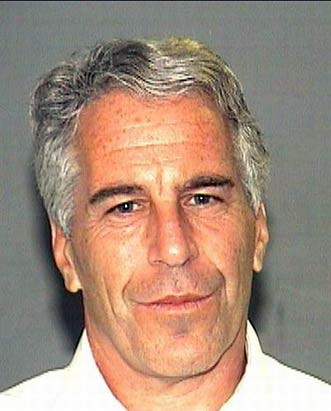
“Until she said something, it was never an issue,” he told journalists. He added that while it’s awkward to share a name with such a notorious criminal, the problem only really emerged after Crockett’s public mistake.
In a sarcastic response, he floated a kind of “revenge”: he said he might just donate to Crockett — and then highlight that she took money from “Jeffrey Epstein.” The irony aimed to spotlight the absurdity of the name-based smear.
Political Fallout and Why It Matters
The error didn’t just embarrass a doctor — it raised serious questions about responsibility and fact-checking in politics. Opponents and pundits were quick to highlight the danger of guilt-by-name, especially when dealing with issues as serious as campaign donations and public trust.
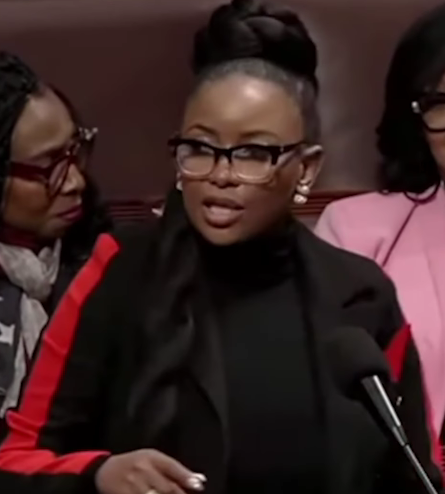
For Crockett, the backlash was swift. Critics accused her of irresponsibility, or worse — of playing fast and loose with allegations that carry heavy social weight.
For Dr. Epstein, the episode became a public relations battle. Being mistaken for someone infamous can carry a heavy burden, regardless of innocence. As he said, “Listen — anytime a doppelganger is tied to a less-than-desirable person, it’s never a good situation.”
Bigger Picture: Why Names Matter (More Than You Think)
This fiasco shows how in politics — especially public, high-stakes debates — a name can be weaponized. Without careful verification, misunderstandings can damage reputations or even distort public discourse.
It also underlines how important accountability is when throwing big accusations in a public forum. Once said — especially in Congress — words echo far beyond the room.
For Dr. Epstein, it’s a cautionary tale of how innocence can be overshadowed by a coincidental name. For voters, it’s a reminder to always look a little deeper — especially when names feel familiar.
You might also want to read: How Epstein Used Power, Fear & Manipulation to Control Survivors