White House Defends Trump After ‘Ugly’ Insult to Reporter
© United States Senate - Office of Dan Sullivan
When a recent article by The New York Times raised questions about Trump’s energy and workload in office — pointing out that his public schedule has shrunk — Trump fired back hard.
In a post on his platform, he attacked the female reporter who co-authored the story, calling her “a third-rate reporter who is ugly, both inside and out.”
Trump Only Addressed the Female Reporter
He didn’t mention the male co-author of the piece. Instead, he singled out the woman, making the insult personal, not professional.
As he wrote: the media — in his view — is full of people “assigned to write only bad things about me.” He framed his post as a correction, insisting he had “never worked so hard in my life,” dismissing the Times’ reporting as a “hit piece.”
White House’s Defense: “Honesty,” Not Sexism, They Say
Facing blowback, the White House responded via spokespersons who defended Trump. They argued that his bluntness and willingness to “tell it like it is” — even if harsh — is part of what voters picked him for. According to his defenders, this was not a sexist attack but raw honesty.
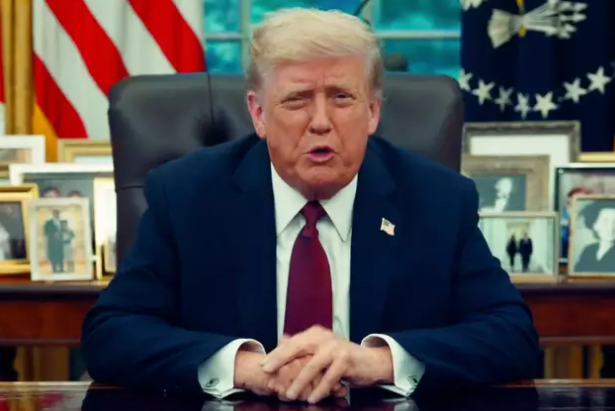
They insisted the comment was not about her being a woman, but about what they described as biased coverage and media distrust.
But many people — within media circles and beyond — saw it differently. Critics saw this as part of a pattern: a repeated personal and gender-based attack on women reporters whenever coverage gets tough.
This Isn’t Isolated — A Pattern of Insults Toward Female Reporters
This isn’t the first time Trump has used personal attacks against female journalists. Less than two weeks before this, he had called a different reporter “piggy” aboard Air Force One during a press encounter.
In both cases, he focused on female reporters only after their questions or reporting looked critical of him — and avoided similar attacks on male reporters involved in the same stories.
Media watchdogs — and many journalists — view these recurring insults as part of a broader attack on press freedom and dignity. They argue it’s not just rudeness, but a strategy: to intimidate and discredit reporters, especially women.
Why It Matters: Press Freedom, Respect & the Message It Sends
Beyond just an insult, this incident raises deeper concerns. When a sitting president uses personal, appearance-based attacks against a reporter instead of addressing their reporting, it undermines respect for journalism and normalizes harassment.
It sends a message: challenging or critical reporting — especially from women — may be met not with answers, but with mockery. That can have a chilling effect on transparency, accountability, and the willingness of journalists to tackle tough stories.
It also begs a larger question: can calls for “honesty and direct talk” excuse behavior that many view as demeaning or sexist? If a public leader claims being “unfiltered” is a virtue, where does it end — especially regarding vulnerable groups like women in journalism?
You might also want to read: Trump’s Turkey Pardon Speech Turns Into a Political Roast