New York Pastor Says She’s Transitioning Into a Woman
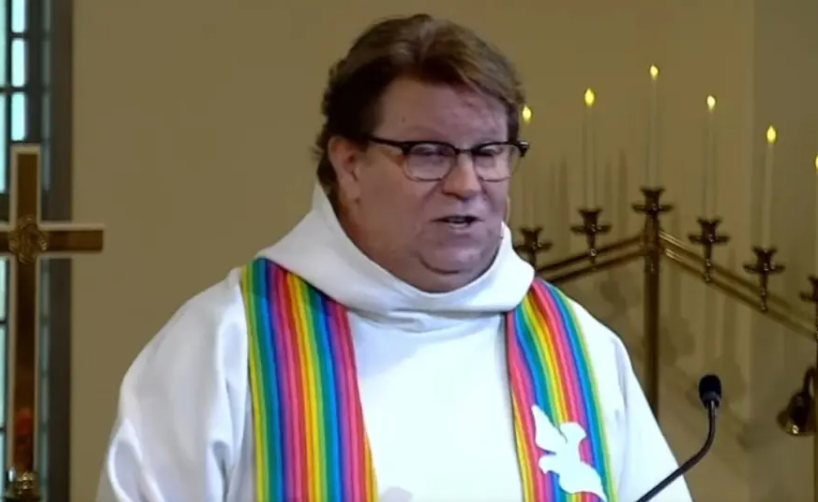
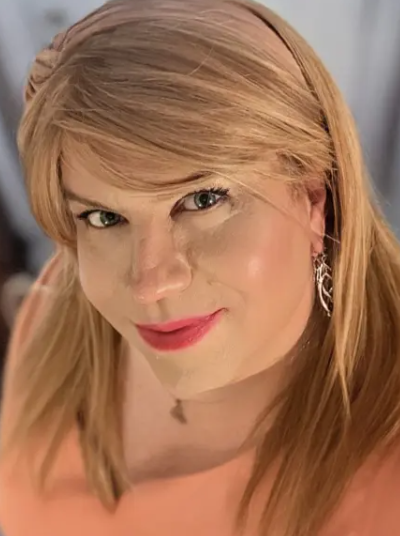
During a Sunday service on November 23, 2025, at North Chili United Methodist Church in Rochester, New York, Pastor Phillip Phaneuf publicly revealed they are transgender. Standing before their congregation while wearing a rainbow-colored stole, Phaneuf told parishioners:
“I’m not becoming a woman — I’m giving up pretending to be a man.”
What Happened — A Brave Revelation at the Pulpit from the NY Pastor
From now on, they will go by the name Phillippa Phaneuf, use she/her pronouns, and have been undergoing hormone replacement therapy for about three months.
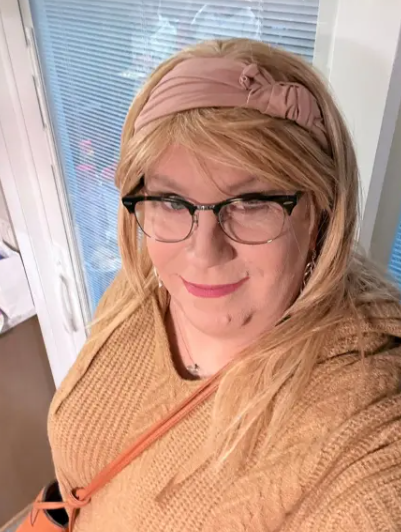
In the announcement, Phaneuf also shared that she identifies as asexual, meaning she experiences little or no romantic or sexual attraction — a personal detail she felt was important to mention to avoid misunderstanding.
She addressed the congregation with honesty, acknowledging that while this revelation might come as a shock to some, it’s part of her journey toward authenticity.
Church Response — Support from Leadership and Congregation
The transition announcement was met with affirmation from church leadership. A representative from the regional United Methodist hierarchy, Héctor A. Burgos‑Núñez, issued a statement affirming Phaneuf’s continued ministry. The bishop praised her courage and reaffirmed that her leadership and spiritual gifts remain valued.

Inside the congregation, reactions were reportedly positive overall. Phaneuf said in subsequent remarks that parishioners responded with “overwhelming” acceptance and love — signaling that the church intends to remain a welcoming space for all members.
Phaneuf also acknowledged that not everyone may understand or support her decision: she revealed that her parents — present in the congregation — have not endorsed the transition.
What It Means — Identity, Faith, and Acceptance
Phaneuf’s public coming out marks a moment of intersection between gender identity and religious vocation. For many, it challenges traditional expectations about clergy and gender roles — while also offering representation for transgender and LGBTQ+ individuals seeking spiritual spaces that affirm them.
Her decision to speak openly about being transgender and asexual may also help destigmatize such identities, especially within religious communities where discussions about gender and sexuality remain difficult for some.
The church’s clear support signals a shifting attitude in some denominations: that identity need not disqualify someone from leadership, ministry, or community love.
As Phaneuf said, the transition is not “about change” of faith or mission — but about living truthfully in a way that honors both identity and calling.
What We Know — And What’s Still Private
Confirmed:
- The announcement was made publicly on November 23 during a Sunday service at North Chili UMC.
- Phaneuf now goes by Phillippa, uses she/her pronouns, and has been on hormone therapy for a few months.
- Church leadership supports the transition and affirms her continued role as pastor.
- The church congregation’s initial reaction is described as “overwhelmingly affirming.”
Not publicly disclosed:
- Long-term reactions from all congregation members (some may still struggle with the transition).
- Detailed personal background, or how this may affect future pastoral duties, or how her changed identity will be integrated in church communications over time.
- Broader community or denominational response outside her immediate church, though, given the official support from the bishop level, institutional backing seems present.
Why This Matters — Beyond One Church
Phaneuf’s coming-out is more than a personal milestone — it’s a landmark for inclusion: a visible example that faith and transgender identity can coexist in leadership. For transgender believers who feel alienated by traditional barriers, this announcement might offer hope — and for churches, a prompt to reconsider how identity and ministry intersect.
It may also provoke broader conversations about acceptance, theological interpretation, and how religious communities can adapt to reflect diversity in identity while preserving shared faith values.
In a time when LGBTQ+ rights and recognition remain contested in many parts of the world — even within religious circles — stories like Phaneuf’s highlight the possibility of change, compassion, and inclusion.
You might also want to read: The Wild Robert Marshall Story – Dead and Met Jesus