FBI Warns Holiday Email Scams Are Already Spiking
© asphotofamily / freepik
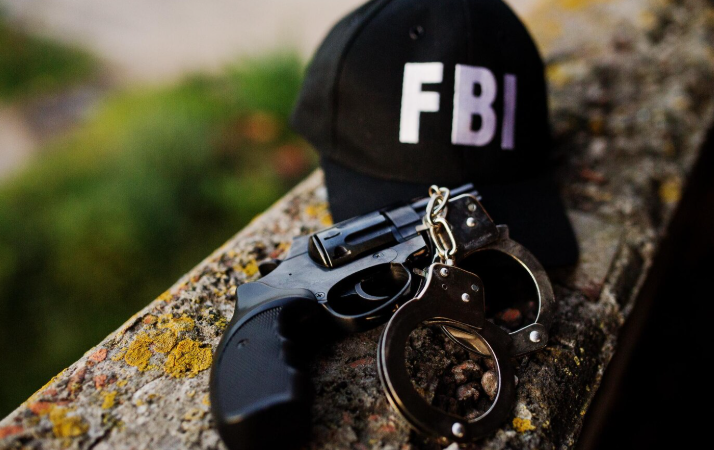
With the holiday season underway, the FBI has issued a sharp warning: cyber-criminals are increasingly targeting users of email platforms like Gmail and Outlook with phishing emails, fake delivery notices, and fraudulent “too-good-to-be-true” offers.
What’s Going On — The Holiday Scam Surge
According to the alert, this uptick in scams isn’t a small bump — it’s a major wave. Many of the fraudulent messages attempt to mimic holiday shopping deals, package delivery updates, or account-related notices from banks and retailers, aiming to trick users into clicking on malicious links or opening attachments.

Cybersecurity researchers note that over 90% of phishing attacks detected in recent months have targeted Gmail or Outlook accounts, making these two services the biggest battleground for scam artists.
What Makes This Holiday Season Especially Risky
- Festive urgency + emotional hooks: Holiday deals, shipping notifications, and donation requests create a rush — scammers exploit that urgency, hoping people click before thinking.
- More sophisticated tactics: Many scams now use AI-driven phishing, realistic-looking fake websites, cloned retailer emails, or spoofed banking alerts — making them hard to distinguish from legitimate ones.
- Account takeover & malware threats: Once a link is clicked or a malicious attachment opened, scammers may steal login credentials, reset passwords, or install malware — potentially giving them full access to your bank, shopping, or private accounts.
So far this year, the FBI says these scams have already led to hundreds of millions of dollars in losses across the U.S. — and the holiday season tends to amplify the danger.
What You Should Do Now — Smart Safety Tips
The FBI recommends simple but crucial precautions to avoid falling victim:
- Don’t click suspicious links or attachments — especially unexpected ones, or those promising massive discounts or “urgent” problems with your account.
- Go directly to official websites — if you see an offer or notification, type the retailer or bank URL manually into your browser instead of using links from emails.
- Use strong, unique passwords + enable two-factor authentication (2FA) — this is one of the most effective ways to block unauthorized access even if login credentials are compromised.
- Be extra vigilant around major shopping events and holiday sales — scammers are banking on holiday distraction and festive rush to trick people.
Also: treat unsolicited delivery or banking alerts with suspicion. Real firms rarely pressure you to “verify” account details via email or demand instant clicks or transfers.
What’s at Stake — Not Just Money, But Data & Identity
Falling for one of these scams can lead to more than just a bad purchase. It can hand over your personal data, open the door to identity theft, give scammers access to financial accounts — sometimes even allowing them to lock you out entirely.
As many recent cases demonstrate, once cybercriminals gain access, they often attempt to complete full account takeovers or employ ransomware-style extortion.
For everyday users, that means holiday cheer could turn into a holiday headache — financial loss, credit problems, long recovery time.
You might also want to read: What Actually Could Happen If You Try to Join the Mile-High Club