European Commission Fines Musk & X €120 Million
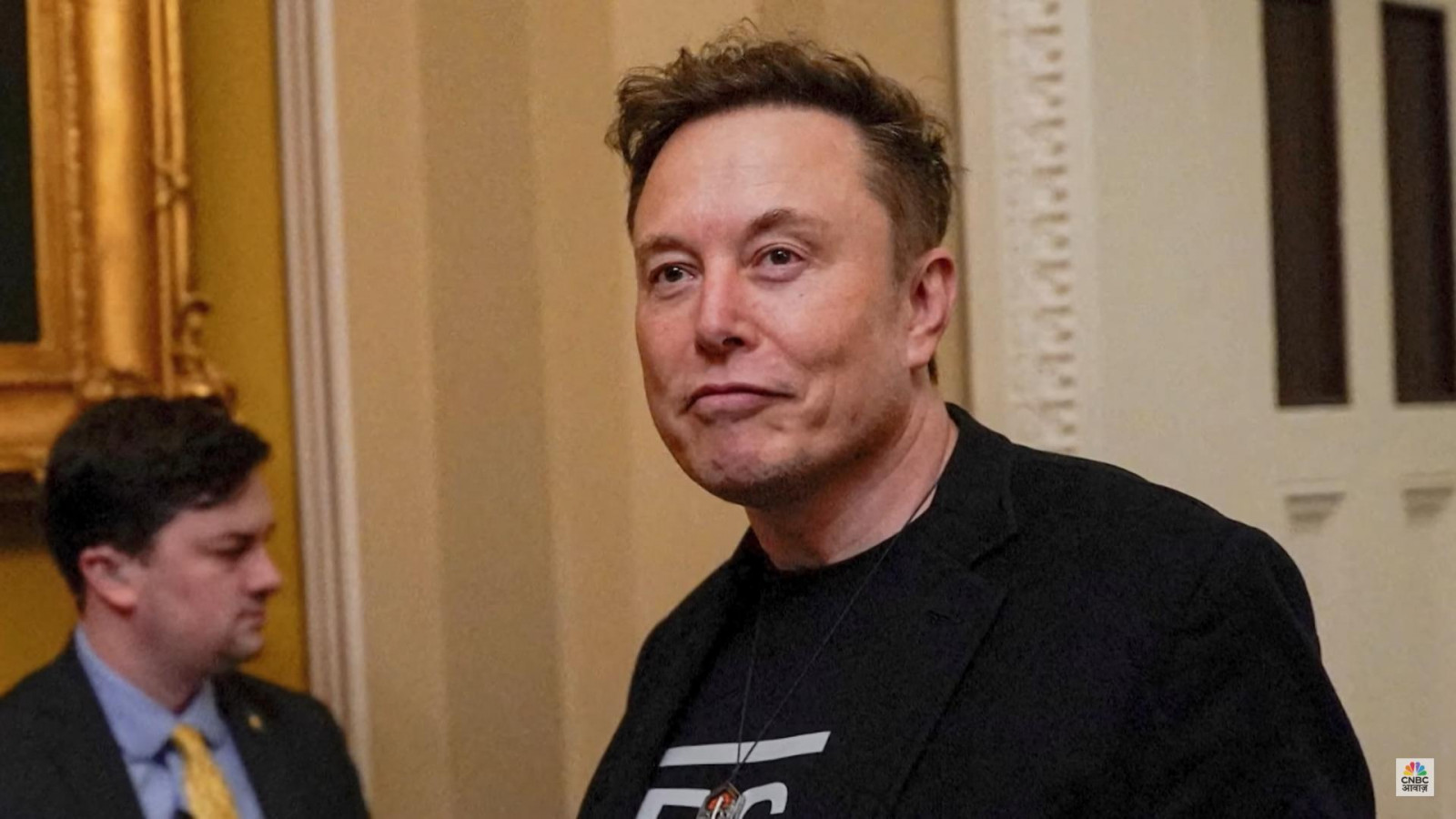
© CNBC Awaaz / Youtube
On December 5, 2025, the European Commission imposed a €120 million fine on X — marking the first penalty ever handed down under the bloc’s landmark Digital Services Act (DSA). The ruling follows a two-year probe into X’s operations across the European Union.
X and Elon Musk Hit With a Major Fine
According to regulators, X violated the DSA in multiple ways. Three of the key issues singled out: the “deceptive design” of its blue-check verification system, lack of transparency around advertising, and failure to give outside researchers proper access to public data.

What the EU Says Went Wrong with Musk and X
Misleading Blue Checkmarks
Previously, blue ticks signified verified public figures or trusted institutions. Under X’s new model, any user could pay for a blue check — regardless of verification. The Commission ruled this “deceptive design” can mislead people into thinking a paid-for account is official or authentic.
Opaque Advertising Practices
X failed to maintain a transparent advertising repository. According to the DSA, platforms must clearly disclose who placed ads, when, and to which audiences — to help detect scams, coordinated misinformation, or illicit campaigns. X’s ad-database fell short, lacking critical details and access for public oversight.

Blocking Researcher Access to Public Data
Researchers and civil-society analysts are supposed to have access to public-data metrics (e.g. views, likes, engagement) under DSA rules, to study trends and risks. Regulators found that X imposed barriers and delays, often preventing meaningful access.
Why It Matters: A Turning Point for Tech Regulation
This fine matters for several reasons:
- It’s the first enforcement under the DSA — signalling that EU regulators are serious about policing large platforms, not just passing laws.
- It challenges a major shift in social-media business models: selling verification to anyone willing to pay. The ruling may force platforms to rethink monetization strategies based on “trust as a purchase.”
- It sets a precedent for accountability and transparency — especially important in times of misinformation, political advertising, scams, and algorithmic influence.
- It adds fuel to a broader geopolitical debate: some in the US see EU regulation as overreach or censorship; but EU leaders argue it’s about safe, transparent online spaces.
What’s Next: X’s Options & What Could Happen
- X now has 60 days to propose corrective measures under the DSA, and 90 days to implement them. If it fails, further sanctions — potentially far heavier, up to 6% of global turnover — are on the table.
- Other investigations are still ongoing, including those looking at content moderation, algorithmic influence, and how the platform handles illegal or harmful content.
- This case might push other large tech platforms to act pre-emptively — not wait for fines, but reform business practices now.
You might also want to read: Musk Rekindles Bromance With President Trump