‘I’m Not F-ing Apologizing’: Amanda Seyfried Says on Kirk’s Death

© CC BY-SA 3.0
Before the online storm reached its peak, a single Instagram comment by Amanda Seyfried became one of 2025’s most talked-about celebrity political flashpoints.
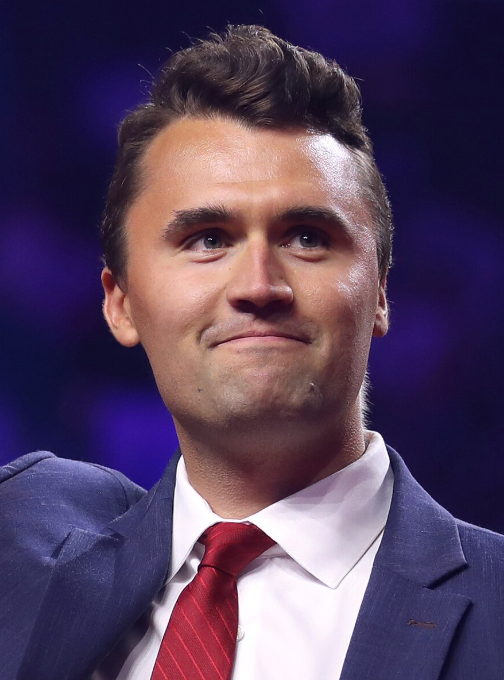
The Oscar-nominated actor sparked controversy after calling conservative activist Charlie Kirk “hateful” shortly after his assassination in September — and now she’s making headlines again by refusing to apologise for it. Her remarks have reignited discussions about celebrity expression, public opinion, and how we discuss political figures after tragedy.
The Comment That Sparked Backlash
After Charlie Kirk was shot dead while speaking at a college event in Utah in September, Seyfried responded to an Instagram video compiling some of his public statements by writing that “he was hateful.” That comment quickly spread online, drawing both criticism and support as people dissected her tone and intent. Some critics accused her of overstepping and even implying justification for his murder — a charge she has consistently denied.

In a recent interview with Who What Wear, Seyfried said she wouldn’t apologise for the remark and stood by her choice of words. “What I said was pretty damn factual, and I’m free to have an opinion,” she asserted, adding that her comment was rooted in documented quotes and public record rather than personal attack.
Clarification, Condemnation, and Context
Seyfried has been careful to underline that, while she disagrees strongly with Kirk’s rhetoric, she does not condone violence. She reiterated that the shooting that killed him was “absolutely disturbing and deplorable” and condemned the act of violence itself — even as she maintained her critique of his public positions.
“I don’t want to add fuel to a fire,” she noted, saying that she intended to clarify context after her original comment was taken out of context online. She stressed the importance of acknowledging harmful rhetoric while also rejecting violence toward any person.
This blend of viewpoints — condemning hate speech while denouncing violence — is part of what Seyfried described as “the nuance of humanity” in public discourse. Her stance reflects a broader debate over how public figures weigh in on political controversies, especially after violent incidents.
Celebrity Politics and Public Reaction
Seyfried is not alone in facing backlash for weighing in on Kirk’s death; other celebrities offered comments after the assassination, some of which were met with similar online outcry. Earlier this year, a number of Hollywood figures drew attention for their reactions to the incident, prompting wider discussions about how and when celebrities should comment on political matters
The controversy highlights how quickly social media can amplify a short remark — turning it into a broader cultural flashpoint. Supporters of Seyfried say she has the right to express her opinion, while critics argue that celebrities should tread carefully when discussing recently deceased figures. The public response continues to be deeply divided.
What She’s Working On — and Why This Matters Now
Seyfried made these comments while promoting her upcoming projects, including The Testament of Ann Lee and The Housemaid, placing her commentary squarely in the spotlight during a high-profile press cycle.
Her refusal to apologise is likely to keep the conversation alive, particularly at a moment when political discourse, celebrity influence, and public grief intersect in unpredictable ways.
You might also want to read: Erika Kirk Says Husband’s Death Isn’t a “Gun Problem”