Trump Widens Travel Ban to Seven More Countries
© C Span
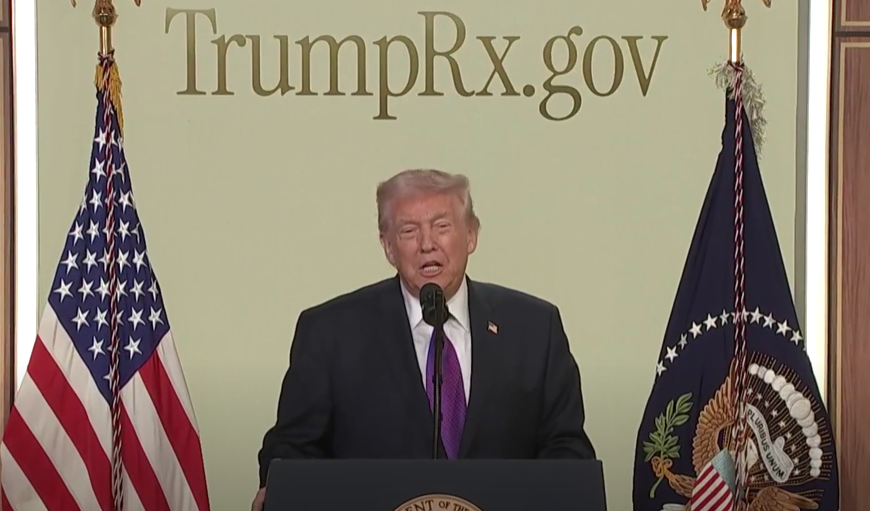
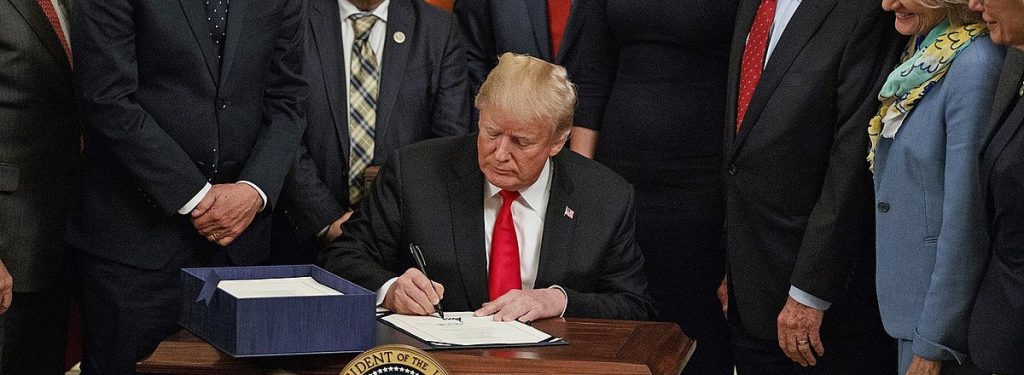
The United States has announced a major expansion of its travel restrictions, significantly widening the number of countries whose citizens will face entry bans or limits under a proclamation from President Donald Trump. The move comes as part of the administration’s continued focus on border security and immigration policy — and it will take effect from 1 January 2026.
According to the White House and reporting by UNILAD, seven new countries have now been added to the “travel ban” list of nations facing full prohibitions or heightened screening measures, bringing the total number of affected countries to nearly 39.
New Travel Ban Additions
The expanded restrictions include a wide range of nations whose citizens will now be barred or limited from entering the United States. The seven new countries facing full entry bans are:
- Syria
- Burkina Faso
- Mali
- Niger
- South Sudan
- Laos (upgraded from partial restrictions)
- Sierra Leone (upgraded from partial restrictions)
In addition, the proclamation includes restrictions on individuals holding travel documents from the Palestinian Authority, effectively barring them from entering the United States under those passports.
Partial Restrictions on Other Nations
Beyond the outright bans, the U.S. has also imposed partial travel restrictions on 15 other countries. These limits don’t completely bar entry, but they restrict access for many types of travelers — including tourists, students, and people seeking work or residence — unless they meet certain criteria or fall under specific exemptions. The countries affected by partial restrictions include:
- Angola
- Antigua and Barbuda
- Benin
- Côte d’Ivoire
- Dominica
- Gabon
- The Gambia
- Malawi
- Mauritania
- Nigeria
- Senegal
- Tanzania
- Tonga
- Zambia
- Zimbabwe
These expanded travel measures roughly double the number of countries now subject to U.S. entry restrictions compared with earlier policies introduced earlier in 2025.
Why the Expansion Happened
According to the White House, the expanded restrictions are being justified on national security and public safety grounds. Officials have pointed to issues such as weak passport and document vetting systems, high visa overstay rates, unreliable civil documentation, and concerns that some governments are not sufficiently cooperative with the deportation of deportees. The Trump administration says these factors could pose risks if not addressed before travel to the United States is permitted.
Trump and his supporters argue that tightening travel access in this way is part of protecting American citizens and reinforcing border security. A White House spokesperson said the administration “will always choose America first” when adjusting travel and immigration policy.
Reactions and Criticism
The expansion has sparked strong reactions internationally and domestically. Governments from some of the affected countries have expressed concern or summoned U.S. diplomatic officials to seek clarification. Some Caribbean nations included in the partial restrictions, such as Antigua and Barbuda and Dominica, have signaled that they are taking the matter seriously and engaging with U.S. authorities.
Human rights groups and immigration advocates have criticised the policy as broad and discriminatory, arguing that it penalises entire populations based on nationality rather than individual behaviour or proven security threats. Critics also say such blanket restrictions could harm diplomatic relations and reduce educational, cultural, and economic exchanges.
At the same time, supporters of the policy see the expanded ban as part of the administration’s broader immigration approach — an ongoing emphasis on strict border control, security screening, and limiting entry from regions considered high-risk or poorly vetted.
Who Is Still Exempt
Despite the broad restrictions, several categories of travellers remain exempt from the bans or can receive special exemptions. These typically include:
- Lawful permanent residents (green card holders)
- Existing visa holders in good standing
- Diplomats and government officials
- Athletes or performers entering for recognized events
- Individuals whose travel is considered in the national interest of the United States
These exemptions are designed to allow some continued flow of people for business, education, or official purposes, even as broader nationality-based restrictions are applied.
You might also want to read: Trump Adds Partisan Plaques to White House ‘Walk of Fame’